

Vietnamese cuisine has won over the world thanks to its exquisite blend of flavor, history, and life philosophy. So, what makes Vietnamese cuisine so special that it leaves an unforgettable impression? Let’s explore the defining characteristics of Vietnamese culinary culture through the art of Yin-Yang flavor balance, the culture of dipping sauces, and the regional diversity across Vietnam right below!
What Makes Vietnamese Cuisine Special?
Vietnamese cuisine stands out with its harmonious flavors, abundant ingredients, and versatile cooking methods. The combination of meat, fish, fresh greens, herbs, and a wide array of spices creates dishes that are balanced and distinctive. In addition, each of the three regions boasts its own unique traits, contributing to a rich, approachable, and captivating Vietnamese culinary identity.
Harmony in Flavor, Color, and Aroma
One of the hallmarks of Vietnamese cuisine is the harmony among taste, color, and aroma. Dishes often bring together diverse ingredients and seasonings such as fish sauce, lime, chili, and aromatic herbs, creating bold yet well-balanced, easy-to-enjoy flavors.
Balancing Spices Based on the Yin-Yang and Five Elements Philosophy
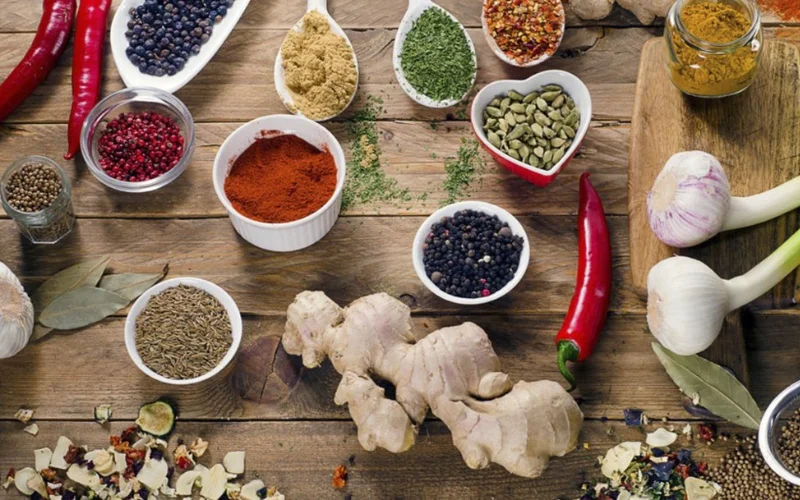
In Vietnamese culinary culture, seasonings not only elevate flavor but also foster harmony in every dish. The sour, spicy, salty, sweet, and bitter notes are blended flexibly depending on the dish and region. Familiar seasonings such as fish sauce, black pepper, chili, ginger, lemongrass, scallions, garlic, and fresh herbs form the cuisine’s signature taste profile.
The philosophy of Yin-Yang and the Five Elements serves as an influential concept in several traditional ingredient combinations. The selection and pairing of ingredients often aim for harmony in taste, the properties of the dish, and seasonal weather conditions, though it is not strictly applied to every Vietnamese recipe.
Prioritizing Fresh Greens, Herbs, and Fresh Ingredients
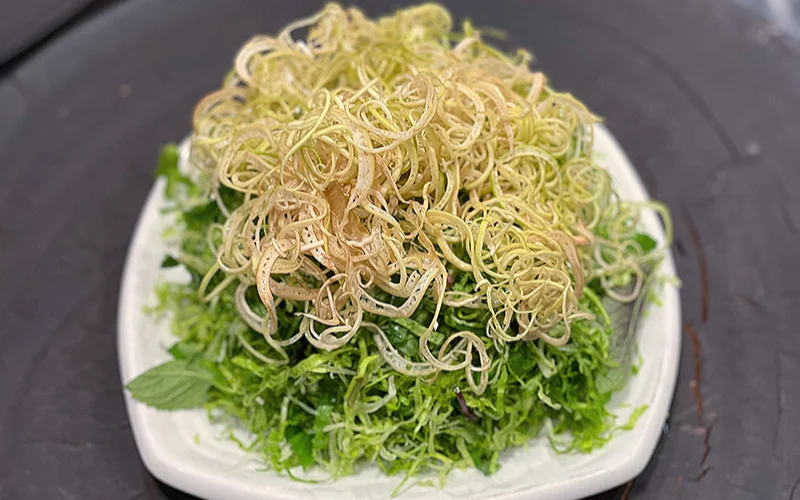
Vietnamese cuisine features a wide variety of greens, aromatic herbs, and fresh produce in both preparation and dining. From the raw herbs served alongside pho and noodle soups to the fresh herbs featured in salads (gỏi), crispy pancakes (bánh xèo), and fresh rolls, these ingredients heighten flavor while keeping the palate light and refreshing. Furthermore, Vietnamese cooks prioritize fresh ingredients such as meat, fish, seafood, vegetables, and natural condiments. The blend of fresh ingredients, leafy greens, and versatile preparation techniques produces meals that are both delectable and reflective of the signature balance in Vietnamese food.
Fish Sauce: A Defining Cultural Trait of Vietnamese Cuisine
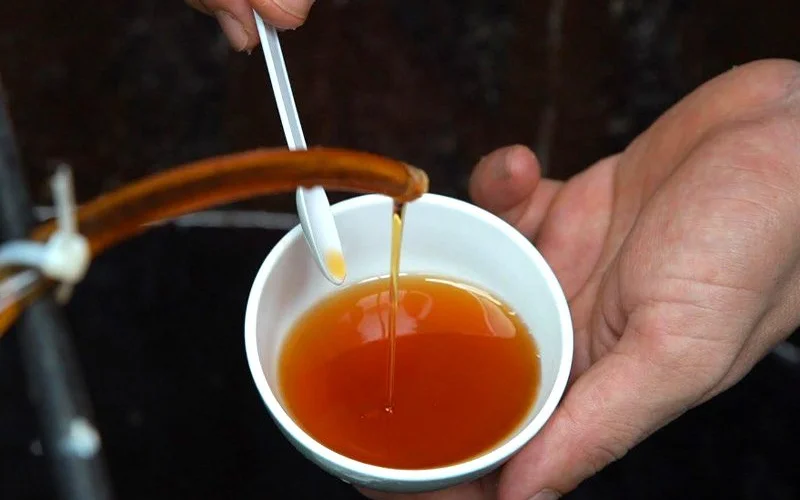
Fish sauce and various dipping sauces hold an essential position in Vietnamese culinary culture, shaping the distinct flavor profile of countless dishes. Beyond serving as a staple seasoning, dipping sauce reflects sophistication in the art of dining and stands as one of the definitive hallmarks of Vietnamese gastronomy.
Fish Sauce – A Familiar Element in Daily Vietnamese Meals
Fish sauce is ubiquitous in everyday family meals—from braised and stir-fried dishes to boiled, steamed, and soup recipes. Its deep, savory umami taste enriches every dish while distinctly highlighting Vietnam’s approach to seasoning.
The Diversity of Dipping Sauces in Vietnamese Food Culture
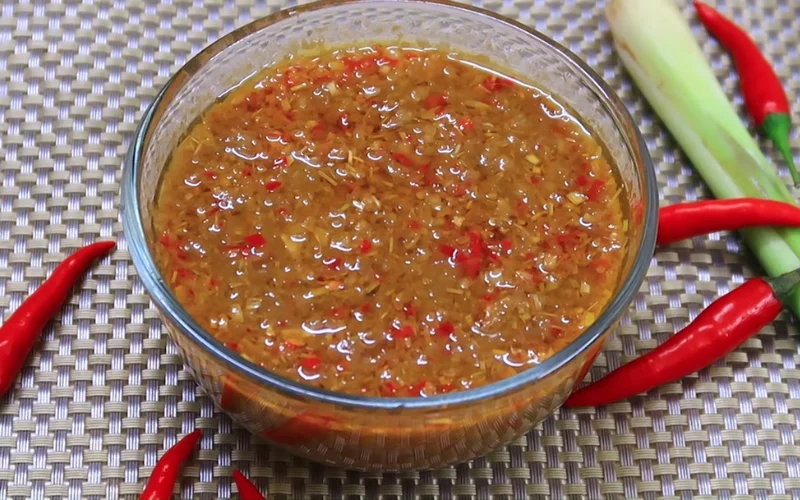
Each dish can be paired with its own bespoke dipping sauce, such as sweet and sour fish sauce, ginger fish sauce, fermented anchovy sauce (mắm nêm), or chili salt. The preparation of dipping sauces also varies by region, contributing to the rich diversity of Vietnamese culinary culture. This variety explains what makes Vietnamese cuisine so unique: even with identical base ingredients, pairing them with different sauces can yield entirely new flavor profiles.
Regional Distinctiveness Across the Three Regions of Vietnam
Differences in geography, climate, indigenous ingredients, and living habits have given rise to various nuances across Vietnamese gastronomy. Consequently, the same ingredient or dish may be prepared and seasoned differently depending on the region, creating distinct regional identities.
Northern Cuisine
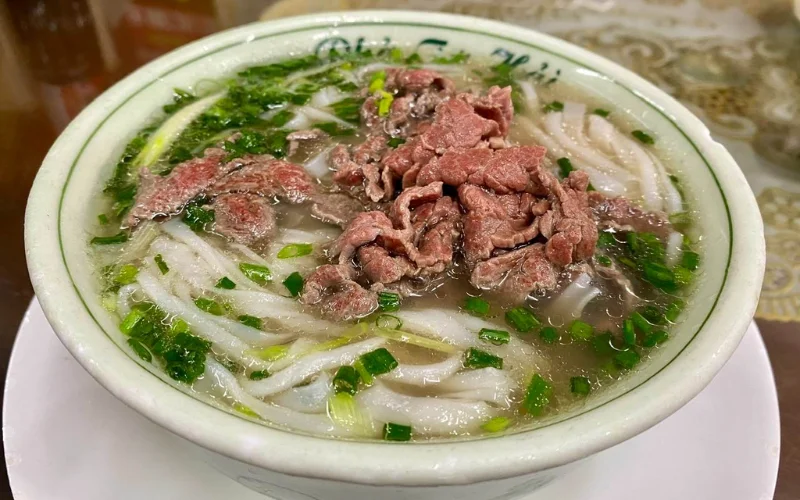
Northern Vietnamese cuisine tends to be delicate, balanced, and focused on subtlety between tastes. Seasonings are applied with moderation to preserve the natural freshness of the ingredients. Iconic dishes like pho, bún chả, bánh cuốn, grilled fish cakes (chả cá), and bún thang embody this refined culinary approach, showcasing meticulous attention to broths, delicate seasoning, and elegant presentation.
Central Cuisine
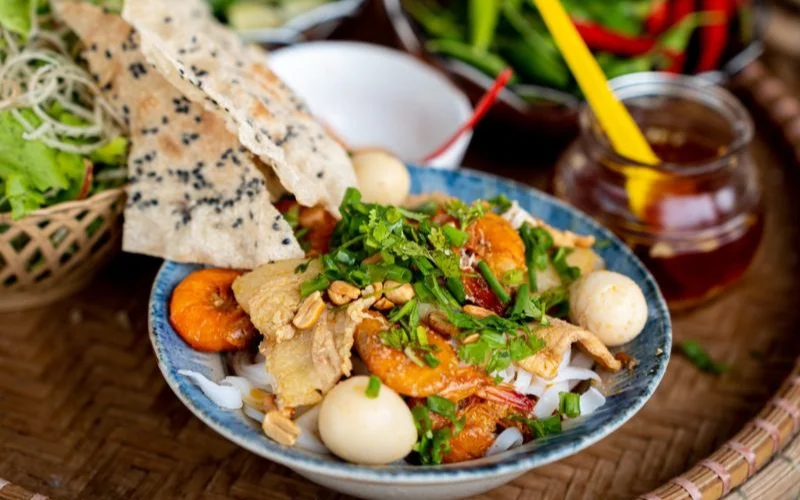
Central Vietnamese cuisine leans toward bold, piquant, and colorful dishes. Natural conditions and regional heritage have shaped a versatile use of spices, fish sauces, and fresh ingredients. Dishes like Huế spicy beef noodle soup (bún bò Huế), mì Quảng, baby basket clam rice (cơm hến), bánh bèo, and bánh nậm each feature their own distinct seasoning and presentation, creating an unforgettable regional impression.
Southern Cuisine
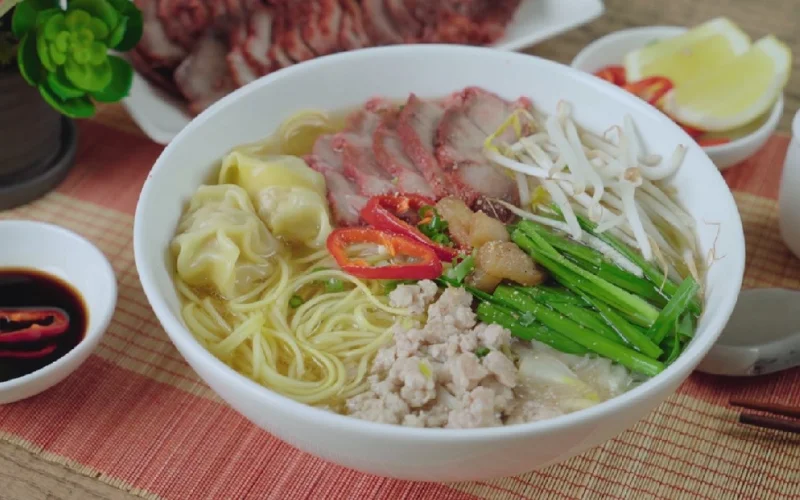
Southern Vietnamese cuisine carries a liberal, hearty spirit, characterized by abundant variety and a noticeably sweeter note in many dishes. Plentiful resources from waterways, paddy fields, and lush orchards are generously incorporated into everyday cooking. Specialties such as hủ tiếu, crispy pancakes (bánh xèo), claypot braised fish (cá kho tộ), sweet and sour soup (canh chua), and fermented fish hotpot (lẩu mắm) bring together diverse ingredients, fresh greens, and rich seasonings to deliver hearty, comfort-food flavors.
Vibrant and Accessible Street Food Culture
Street food is an integral aspect of Vietnamese food culture, woven into the everyday rhythm of local life. From humble sidewalk eateries and shoulder-pole vendors to bustling open-air markets, diners can readily savor countless dishes prepared with diverse flavors and techniques. Staples like pho, bánh mì, noodle dishes, bánh xèo, sweet dessert soups (chè), and street snacks vary across locales, further defining the allure of Vietnamese cuisine.
Cultural Convergence and the Creation of a Unique Identity
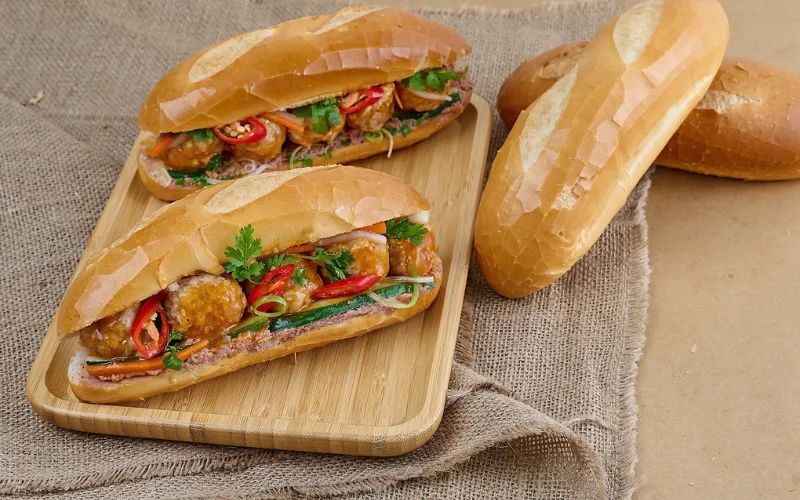
Vietnamese gastronomy has absorbed influences from multiple cultures—including Chinese, French, and Southeast Asian traditions—evident in its ingredients and cooking methods. However, the Vietnamese people have ingeniously adapted these elements to suit local tastes and native produce. Bánh mì serves as a prime example, combining French-style baguettes with Vietnamese pâté, savory meats, fresh herbs, pickled vegetables, and savory sauces. This culinary adaptation enriches Vietnamese food culture while preserving its unmistakable identity.
Vietnamese Culinary Culture in Daily Life and National Identity
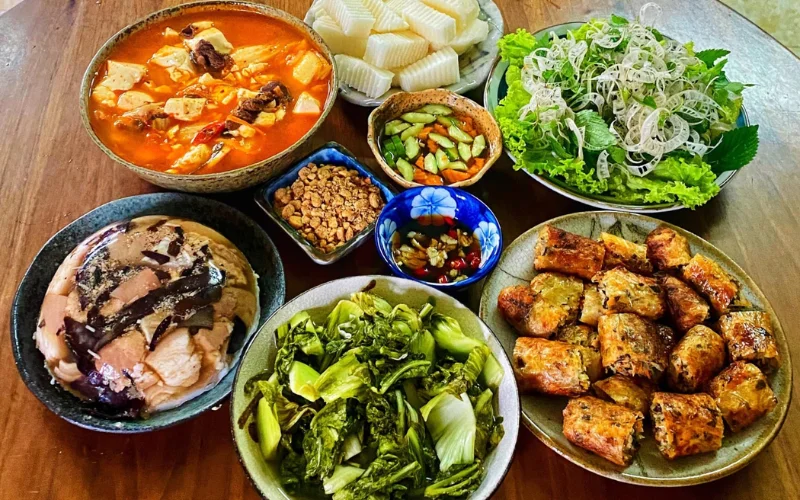
Vietnamese food culture is deeply tied to everyday life, time-honored customs, and bonds within families and communities. Far beyond fulfilling nutritional needs, dining reflects how Vietnamese people preserve tradition and bridge generations. Key facets include:
- Uniting family members: Daily family meals serve as a warm gathering where everyone comes together, shares dishes, and catches up. The arrangement of the meal and the care put into preparation reflect affection and family solidarity.
- Connection to Tết and significant occasions: Many traditional dishes carry special meaning during the Lunar New Year (Tết), festivals, weddings, and family reunions. Bánh chưng, bánh tét, braised pork, candied fruits (mứt), and regional specialties are not merely enjoyed for their taste, but are intertwined with family customs and cherished memories.
- Showcasing regional identity: Distinct natural environments, local produce, and customary ways of life have shaped regional dining styles. As a result, the North, Central, and South each possess unique palate preferences, ingredients, and culinary traditions.
- Expressing hospitality: Inviting guests for a meal, preparing food to welcome visitors, or sharing local delicacies are customary ways to show warmth and friendliness. Through these gestures, food becomes a cornerstone of Vietnamese social etiquette.
- Preserving cultural heritage: Many recipes and culinary techniques have been handed down through generations. This continuous lineage safeguards the defining traits of Vietnamese gastronomy while protecting national cultural identity.
Conclusion
What makes Vietnamese cuisine special is reflected in its harmonious flavors, variety of fresh ingredients, and distinctive character across the three regions. The convergence of diverse cultures, along with time-honored traditions preserved across generations, has crafted a uniquely rich and celebrated culinary heritage.
Madame Lam Restaurant
- Address: No. 10 Tran Ngoc Dien, Thu Duc City, Ho Chi Minh City
- Hotline: 070 322 6262
- Email: booking.mdl@mamamia.vn
- Website: https://madamelam.com/
- Fanpage: https://www.facebook.com/MadameLamRestaurant/
- TikTok: https://www.tiktok.com/@madamelamvn
- Tripadvisor: https://www.tripadvisor.com/Restaurant_Review-g293925-d24053236-Reviews-Madame_Lam_Vietnamese_Contemporary_Cuisine-Ho_Chi_Minh_City.html
- YouTube: https://www.youtube.com/@madamelamvn
- X: https://x.com/madamelamvn
- Tumblr: https://www.tumblr.com/madamelamvn
- Reddit: https://www.reddit.com/user/madamelamvn/
- Twitch: https://www.reddit.com/user/madamelamvn/
- LinkedIn: https://www.linkedin.com/in/madamelamvn/
- Pinterest: https://www.pinterest.com/madamelamvn/
- Flipboard: https://flipboard.com/@madamelamvn
- Scoop.it: https://www.scoop.it/u/madamelamvn
- Instapaper: https://www.instapaper.com/p/madamelamvn
- Vimeo: https://vimeo.com/madamelamvn
- Dribbble: https://dribbble.com/madamelamvn