

Vietnamese cuisine not only reflects daily eating habits but also preserves cultural imprints, history, and national identity across generations. From wet-rice civilization and royal court cuisine to the rise of street food and contemporary culinary styles, the history of Vietnamese gastronomy is an ongoing journey of heritage and innovation. Join Madame Lam to explore the values that have shaped the enduring allure of Vietnamese food through the ages.
Introduction to Vietnamese Cuisine
Vietnamese cuisine is a harmonious fusion of indigenous ingredients, traditional cooking methods, and dining customs refined over generations. Stretching from North to South, each region boasts distinct flavors, contributing to a rich and diverse culinary tapestry. Continuously inherited, assimilated, and evolved throughout historical periods, Vietnamese cuisine has become one of the defining highlights of Vietnam’s cultural identity.
Key Characteristics That Make Vietnamese Cuisine Unique
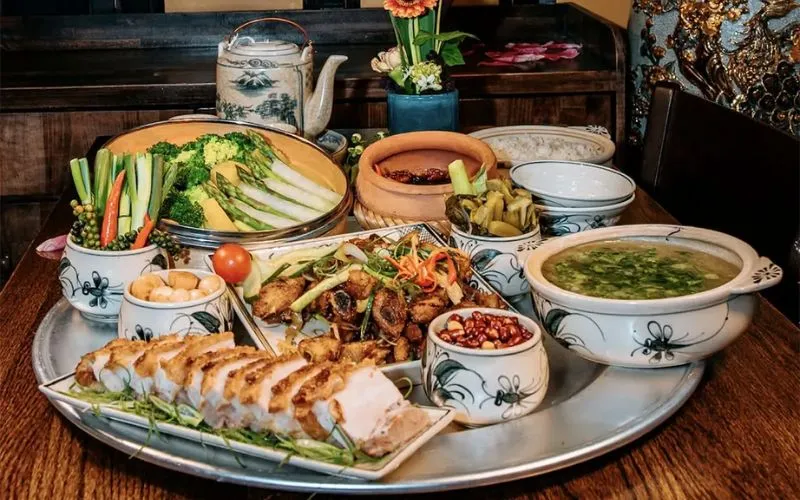
The uniqueness of Vietnamese cuisine lies in the delicate harmony between ingredients, flavors, and cooking techniques. The Vietnamese prioritize seasonal fresh produce, deftly pairing fresh herbs, spices, and dipping sauces to achieve exquisite balance in every dish. This sophisticated integration allows dishes to retain their natural flavors while delivering a multi-layered dining experience.
Furthermore, each region possesses its own culinary style and palate, reflecting local climate, geography, lifestyle habits, and historical development. This regional diversity not only enriches the cultural and culinary history of Vietnam but also establishes a distinctive identity that continues to captivate food lovers worldwide.
The History of Vietnamese Cuisine Through Developmental Eras
The history of Vietnamese cuisine is a transformative journey across multiple eras—from the humble meals of ancient wet-rice farmers to a diverse, modern gastronomy that still honors its traditional roots.
The Formative Era of Vietnamese Cuisine
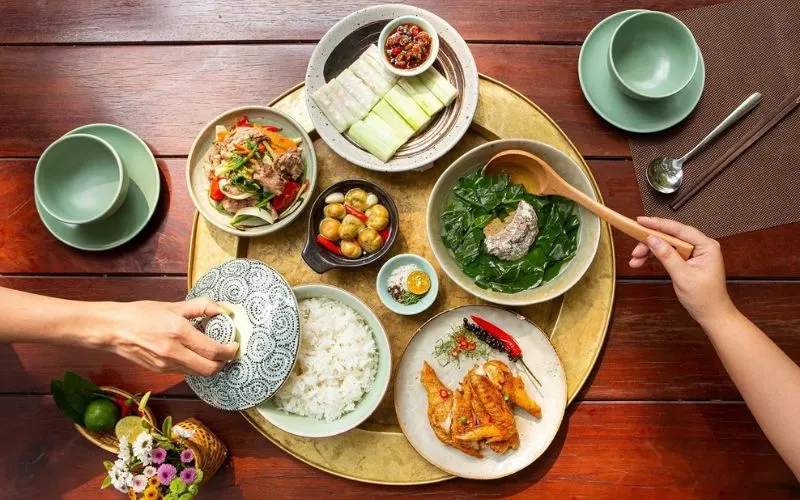
Vietnamese culinary history traces back to wet-rice civilization, when everyday meals revolved around rice, vegetables, fish, and locally foraged ingredients. Cooking techniques were straightforward—mainly boiling, grilling, and steaming—yet showcased great ingenuity in utilizing indigenous resources. Many enduring culinary staples, such as Bánh Chưng and Bánh Giầy, originated during this period, laying the foundational pillars for Vietnam’s culinary identity.
Vietnamese Cuisine in the Feudal Era
Entering the feudal era, Vietnamese cuisine witnessed significant refinements propelled by socioeconomic growth and cultural exchange with neighboring countries. Alongside humble folk dishes, royal court cuisine (ẩm thực cung đình) emerged, setting exacting standards for ingredients, sophisticated preparation, and artistic presentation. In particular, Hue royal cuisine flourished under the Nguyen Dynasty, leaving a profound legacy of intricate, refined dishes that placed paramount emphasis on aesthetics.
During this period, the Vietnamese selectively absorbed new ingredients and culinary methods from external cultures while firmly preserving their native flavor profile. This cross-cultural interaction enriched Vietnamese gastronomy over the centuries, forging a unique culinary heritage that endures to this day.
The East-West Fusion Era
Beginning in the French colonial period, Vietnamese cuisine absorbed Western influences, evidenced by the introduction and popularization of new ingredients, beverages, and cooking techniques. Iconic examples include Bánh Mì (baguette) and coffee, which were artfully adapted by the Vietnamese to suit local tastes and customs.
This intersection not only enhanced culinary diversity but also spawned distinct cultural staples. Bánh Mì filled with rich savory meats and Vietnamese iced milk coffee (cà phê sữa đá) gradually became integral to everyday life, exemplifying the localization and Vietnamization of foreign elements.
Modern Vietnamese Cuisine
Today, Vietnamese cuisine continues to flourish by bridging time-honored traditions with modern global trends. Alongside the preservation of heritage recipes, contemporary chefs and restaurants innovate with preparation and plating to craft novel dining experiences while remaining true to authentic Vietnamese flavors.
Beyond its popularity at home, Vietnamese gastronomy has emerged as a cornerstone of culinary tourism, drawing international travelers to experience Vietnam’s culture through food. From humble street food stalls to upscale contemporary Vietnamese dining rooms, each culinary journey helps promote the values of Vietnamese cuisine and solidify its standing on the world culinary map.
Regional Diversity in Vietnamese Cuisine
Contrasting geography, climates, and regional development have shaped the multifaceted cultural identity of Vietnamese gastronomy. Each region not only features distinct flavors and techniques but also preserves stories of daily life, heritage, and human adaptation to nature across generations.
Northern Cuisine
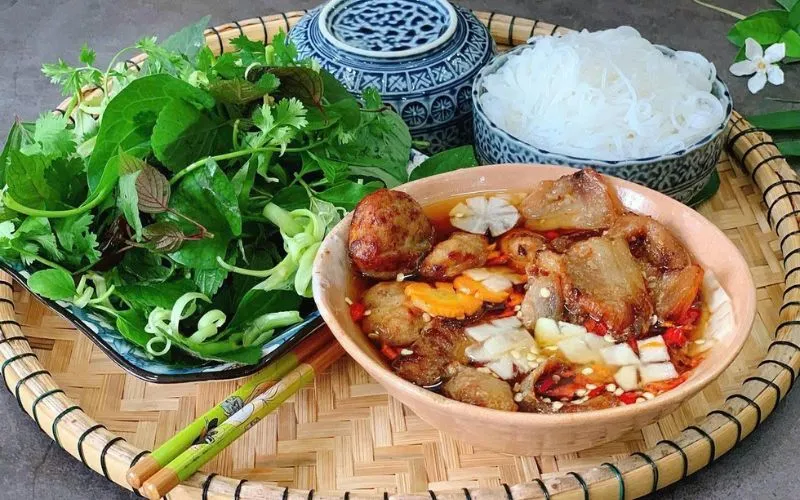
Northern cuisine is intrinsically tied to the ancient culture of the Red River Delta—the birthplace of wet-rice farming. Influenced by agrarian traditions, Northern dishes lean toward balance, subtlety, and lightness, accentuating the natural flavors of the ingredients. Iconic dishes like Phở, Bún Chả, and Bánh Cuốn serve not only as beloved staples but also as symbols of the Northern palate’s understated refinement.
Central Cuisine
Central Vietnamese cuisine was shaped by harsh natural conditions, where locals learned to maximize local ingredients to create bold, deeply flavorful, and spicy dishes. In Hue, the enduring legacy of the Nguyen Dynasty gave rise to royal gastronomy characterized by meticulous preparation and exquisite visual presentation.
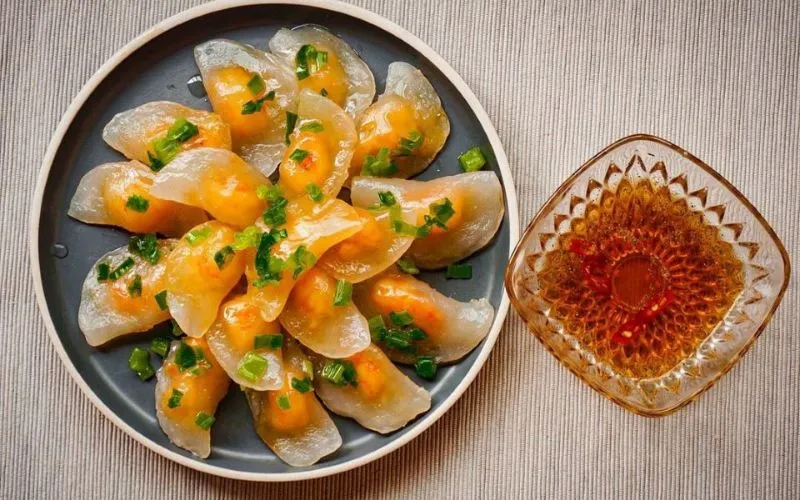
Furthermore, Central cuisine is celebrated for its regional variety, with iconic dishes such as Bún Bò Huế, Mì Quảng, and Bánh Bèo reflecting local flair and cultural identity.
Southern Cuisine
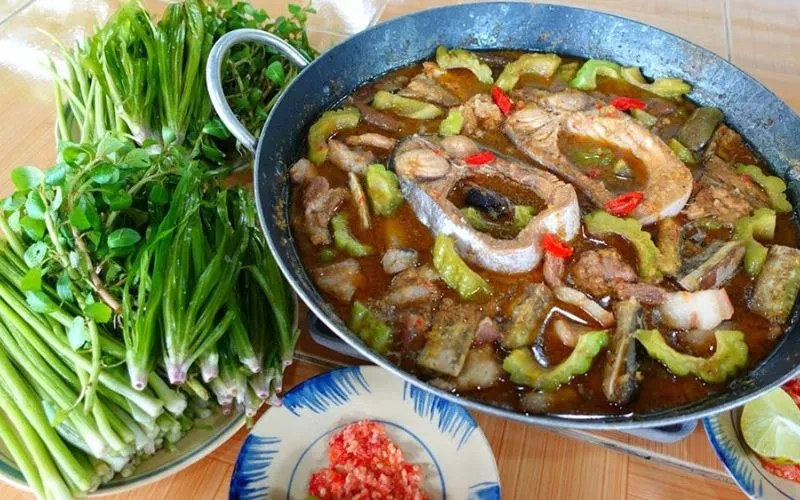
Southern cuisine is deeply connected to the pioneering history of the southern frontier and the vibrant riverine lifestyle. Blessed with fertile lands, abundant waterways, and multicultural influences, Southern food is characterized by generous flavors, vibrant colors, and versatile ingredients. Signature dishes like Hủ Tiếu, Bánh Xèo, Lẩu Mắm (fermented fish hotpot), and Cá Kho Tộ (braised catfish in clay pot) represent the hospitable, lively spirit of the South.
Traditional Values in the Cultural History of Vietnamese Cuisine
Spanning countless generations, the history of Vietnamese culinary culture is reflected not only through familiar dishes but also through spiritual values, customs, and ways of living. Prominent traditional values include:
- Family bonding at the dining table: A Vietnamese family meal is more than a daily dinner; it represents reunion, care, and strong emotional ties among members.
- Harmony in ingredient pairing: Great care is taken to select natural ingredients and balance fresh herbs, seasonings, and meats to create holistic flavor and nutritional balance.
- Connection to rituals and folklore: Traditional foods tied to the legend of Lang Liêu, as well as Lunar New Year (Tết) feasts, carry profound cultural meaning, honoring ancestors and expressing gratitude.
- The spirit of heritage and continuous innovation: Despite historical upheavals, Vietnamese culinary art has preserved its core identity while constantly innovating to complement modern lifestyles.
- Promoting Vietnamese culture globally: Culinary tourism has become a primary bridge introducing the beauty of Vietnam’s culture, heritage, and people to domestic and international travelers alike.
Experience Contemporary Vietnamese Cuisine at Madame Lam
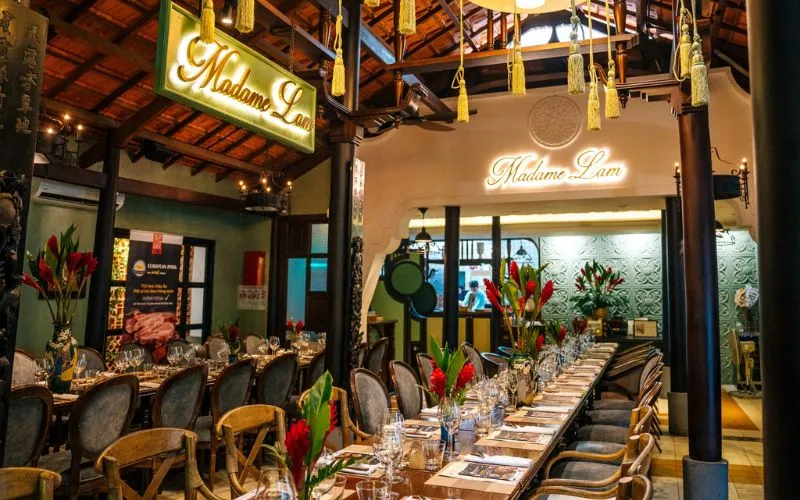
At Madame Lam, Vietnamese dishes draw inspiration from familiar regional ingredients and traditional heritage, reimagined through a contemporary lens. The harmony between culinary technique, artistic plating, and ambient interior design provides a fresh perspective on Vietnamese gastronomy, inviting guests to savor comfort flavors in a modern setting.
An evening at Madame Lam is more than just dining; it is an exploration of the crossroads between traditional roots and modern culinary craft. Through each course, authentic Vietnamese flavors are presented in perfect balance with today’s refined palate.
Conclusion
The history of Vietnamese cuisine is a continuous voyage of preserving heritage values and relentless creative evolution across generations. If you wish to experience the harmonious synthesis of traditional soul and contemporary presentation, visit Madame Lam to discover elevated Vietnamese culinary art crafted with finesse and creativity.
Madame Lam Restaurant
- Address: 10 Tran Ngoc Dien, Thu Duc City, Ho Chi Minh City
- Hotline: 070 322 6262
- Email: booking.mdl@mamamia.vn
- Website: https://madamelam.com/
- Fanpage: https://www.facebook.com/MadameLamRestaurant/
- Tiktok: https://www.tiktok.com/@madamelamvn
- Tripadvisor: https://www.tripadvisor.com/Restaurant_Review-g293925-d24053236-Reviews-Madame_Lam_Vietnamese_Contemporary_Cuisine-Ho_Chi_Minh_City.html
- Youtube: https://www.youtube.com/@madamelamvn
- X: https://x.com/madamelamvn
- Tumblr: https://www.tumblr.com/madamelamvn
- Reddit: https://www.reddit.com/user/madamelamvn/
- Twitch: https://www.reddit.com/user/madamelamvn/
- Linkedin: https://www.linkedin.com/in/madamelamvn/
- Pinterest: https://www.pinterest.com/madamelamvn/
- Flipboard: https://flipboard.com/@madamelamvn
- Scoop it: https://www.scoop.it/u/madamelamvn
- Instapaper: https://www.instapaper.com/p/madamelamvn
- Vimeo: https://vimeo.com/madamelamvn
- Dribbble: https://dribbble.com/madamelamvn