

Traditional Vietnamese dishes are not only captivating due to their distinctive flavors, but also embody the cultural values, customs, and unique stories of each region. Join Madame Lam to explore the list of famous traditional Vietnamese dishes, from familiar daily family meals to iconic specialties across the North, Central, and South regions.
Why Are Traditional Vietnamese Dishes So Popular?
Beyond their appealing and distinct flavors, traditional Vietnamese dishes are cherished for their deep cultural significance, culinary diversity, and stories deeply intertwined with Vietnamese life.
- Rich national cultural identity: Each dish reflects local customs, regional geography, and distinctive characteristics of Vietnamese culinary culture.
- Diverse and palate-pleasing flavors: The harmonious combination of fresh natural ingredients and traditional spices creates rich, balanced profiles that suit various palates.
- Intertwined with daily life and customs: Many dishes are central to festive occasions, Lunar New Year (Tet), weddings, or everyday family meals, becoming an integral part of life.
- Passed down through generations: Iconic dishes such as banh chung, pho, crispy spring rolls, and red sticky rice are not only delicious but also help preserve traditional culinary heritage over time.
Top Famous Traditional Vietnamese Dishes
Vietnamese cuisine represents the crystallization of local ingredients, refined cooking techniques, and cultural values passed down through generations. Below are some of the most famous and beloved traditional dishes contributing to the distinctive character of Vietnamese gastronomy.
Pho
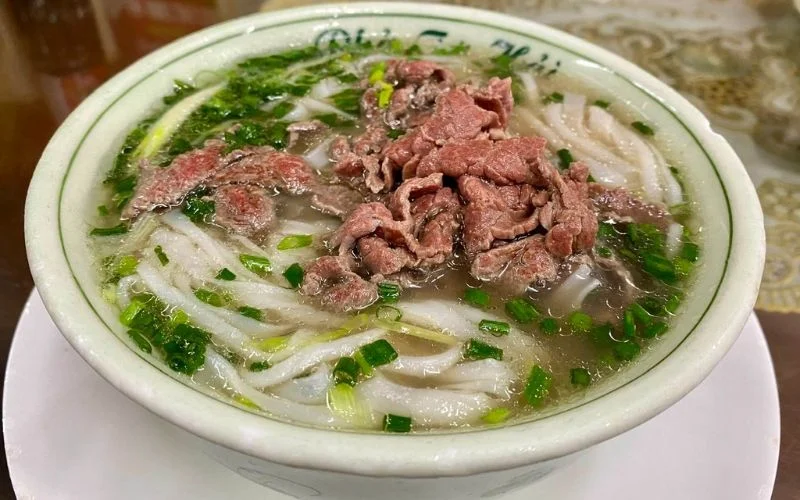
Pho is regarded as one of the most prominent symbols of traditional Vietnamese cuisine. Originating in Northern Vietnam in the early 20th century, pho began as humble street food before evolving into a globally celebrated culinary masterpiece.
The essence of pho lies in its clear yet rich broth, simmered from beef or pork bones for hours alongside aromatic spices like cinnamon, star anise, and charred ginger. Soft flat rice noodles paired with tender beef or chicken, fresh herbs, and scallions create a balanced, universally satisfying dish.
Banh Chung (Square Glutinous Rice Cake)
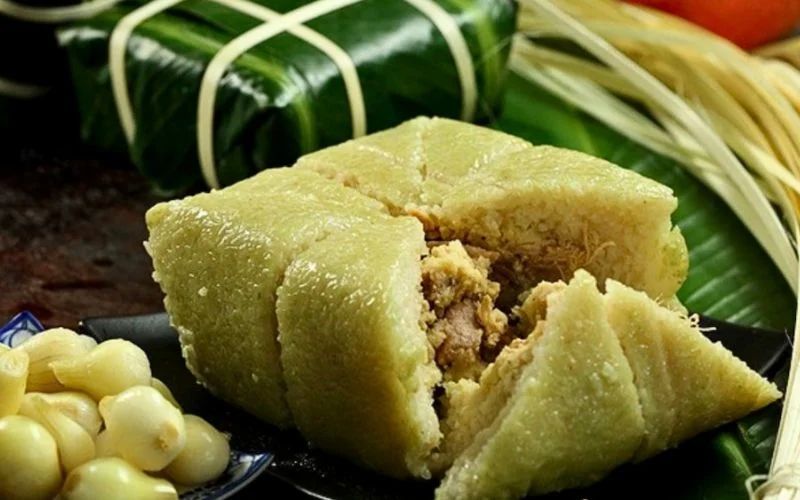
Banh chung is an essential traditional delicacy closely tied to the Lunar New Year (Tet), carrying profound cultural values. According to legend, banh chung dates back to the Hung King era, created by Prince Lang Liêu as an offering to honor heaven, earth, and ancestors.
This square cake, made with sticky rice, mung beans, pork, and wrapped in dong leaves, offers a rich, savory taste while symbolizing harmony between mankind and nature. On the Tet feast tray, banh chung is indispensable, representing family reunion and Vietnamese heritage.
Banh Tet (Cylindrical Glutinous Rice Cake)
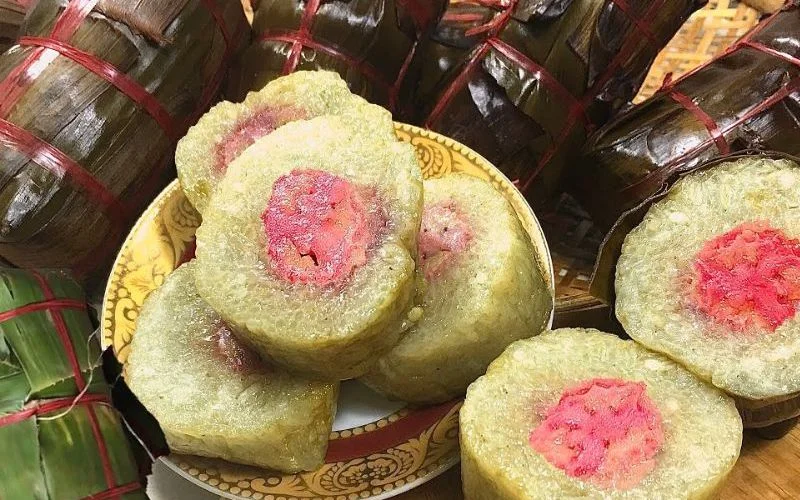
While Northern Vietnam is known for banh chung, Central and Southern Vietnam are renowned for banh tet—a dish bearing strong regional distinction. The cake is shaped into a cylinder, wrapped in banana leaves, and filled with glutinous rice, mung beans, and pork belly.
Banh tet is traditionally enjoyed during Tet, conveying wishes for a prosperous and abundant new year. Over time, creative variations have emerged—such as sweet banana or magenta plant-dyed banh tet—while maintaining its cherished traditional essence.
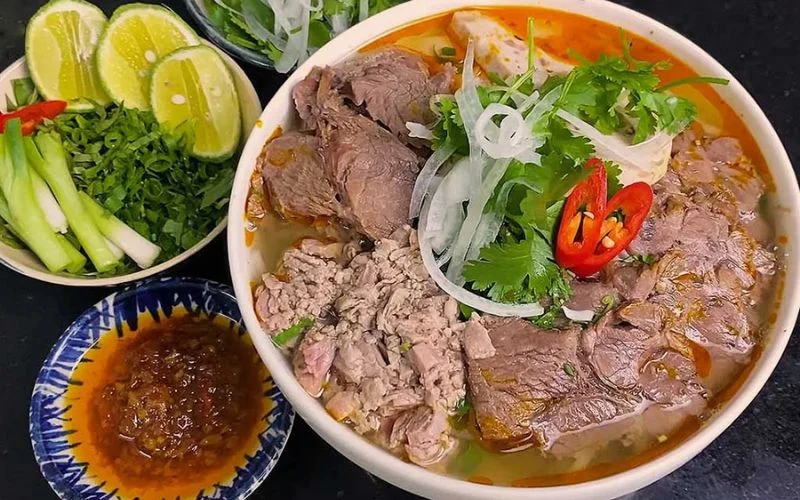
Bun Bo Hue (Hue Spicy Beef Noodle Soup)
Bun bo Hue is an iconic specialty from Vietnam’s ancient capital, celebrated for its robust flavor, subtle spiciness, and the fragrant aroma of lemongrass and fermented shrimp paste. It exemplifies the meticulous and sophisticated nature of Central Vietnamese cooking.
A complete bowl typically includes thick cylindrical rice noodles, tender beef shank, pork knuckle, and crab patties immersed in an intensely simmered broth. Bun bo Hue stands as a signature testament to the refinement of traditional Vietnamese food.
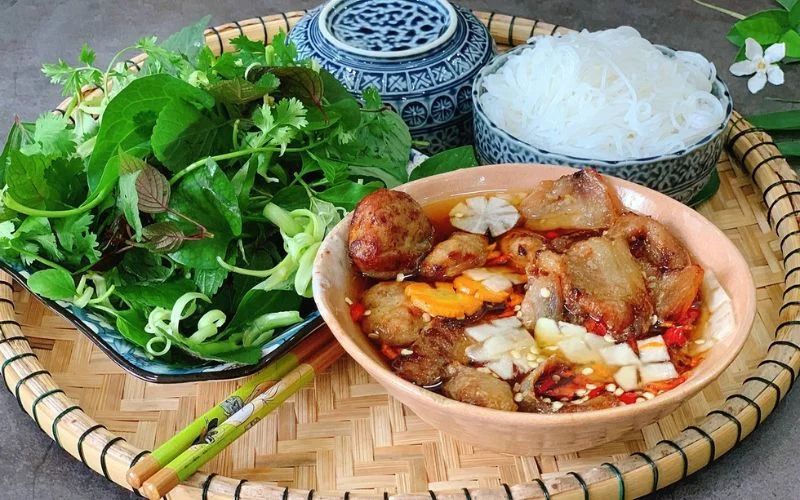
Bun Cha Hanoi
Bun cha is an iconic dish of Hanoi, combining fragrant charcoal-grilled pork, white rice vermicelli, fresh herbs, and a savory-sweet dipping sauce. Long rooted in the daily lifestyle of Hanoians, it has become a globally renowned street food classic.
The highlight of bun cha comes from marinating pork with traditional seasonings and grilling it over glowing charcoal embers to produce an irresistible smoky aroma. It is not just a meal, but a reflection of the quaint, poetic lifestyle of old Hanoi.
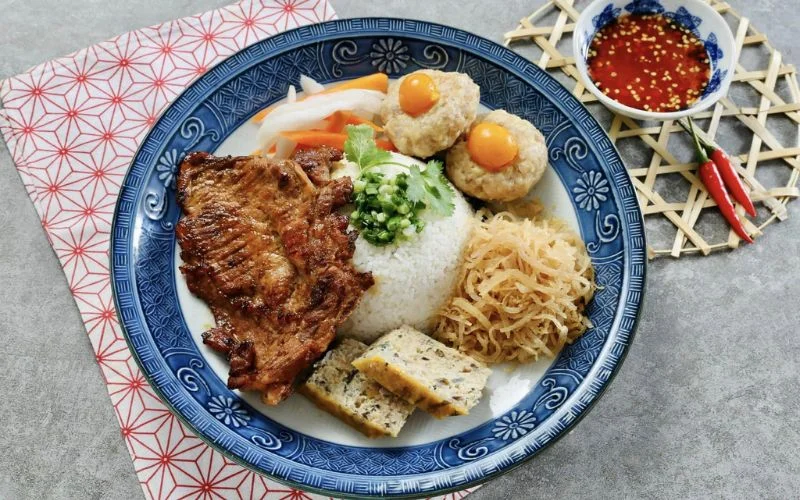
Saigon Com Tam (Broken Rice)
Com tam was originally a humble meal for working-class Southern laborers, made using fractured grains left over from the rice milling process. Over time, it evolved into one of Saigon’s most celebrated signature dishes.
A classic plate of com tam features fluffy broken rice, marinated grilled pork chops, shredded pork skin (bi), steamed egg meatloaf (cha trung), a sunny-side-up egg, and specially formulated sweet-savory fish sauce. Its comforting and well-rounded flavors make it a favorite among locals and tourists alike.
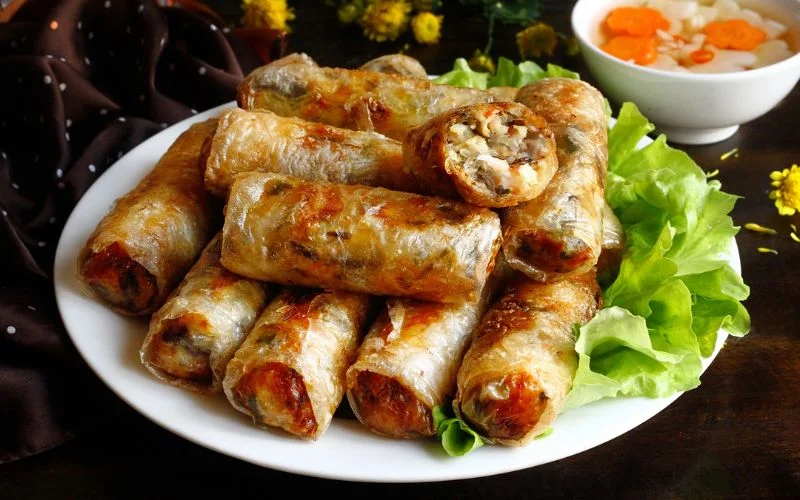
Nem Ran (Crispy Fried Spring Rolls)
Nem ran is a staple across Vietnamese family dinner tables, especially prominent in Northern feasts and holiday gatherings. The filling—consisting of minced pork, wood ear mushrooms, glass noodles, and vegetables—is rolled in delicate rice paper sheets and fried to golden perfection.
Different regions feature distinct variations, such as Hanoi-style nem ran or Southern cha gio. The contrast between the crunchy wrapper and the juicy, savory filling makes fried spring rolls essential when exploring Vietnamese cuisine.
Goi Cuon (Fresh Spring Rolls)
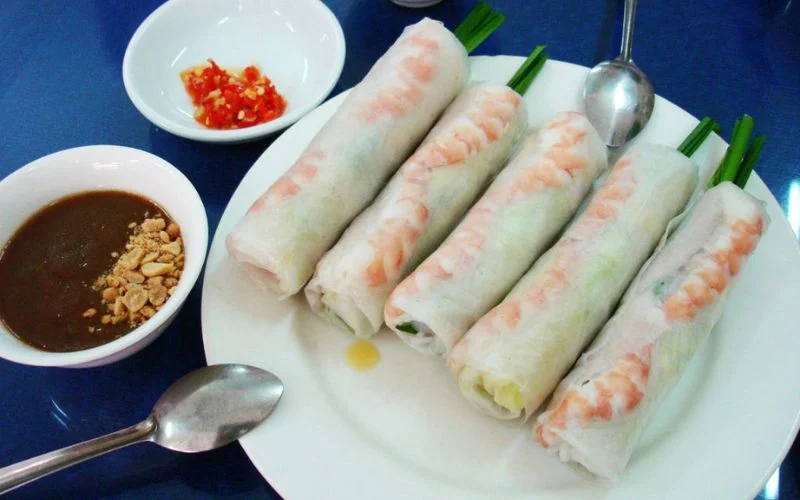
Goi cuon is a refreshing rustic dish originating in Southern Vietnam, prized for its lightness and use of fresh ingredients such as rice paper, shrimp, sliced pork, rice vermicelli, fresh greens, and rich dipping sauces.
Unlike deep-fried rolls, goi cuon preserves the natural, crisp freshness of its ingredients, making it an ideal choice for healthy dining. It remains one of the most widely recognized ambassadors of Vietnamese cuisine worldwide.
Banh Mi
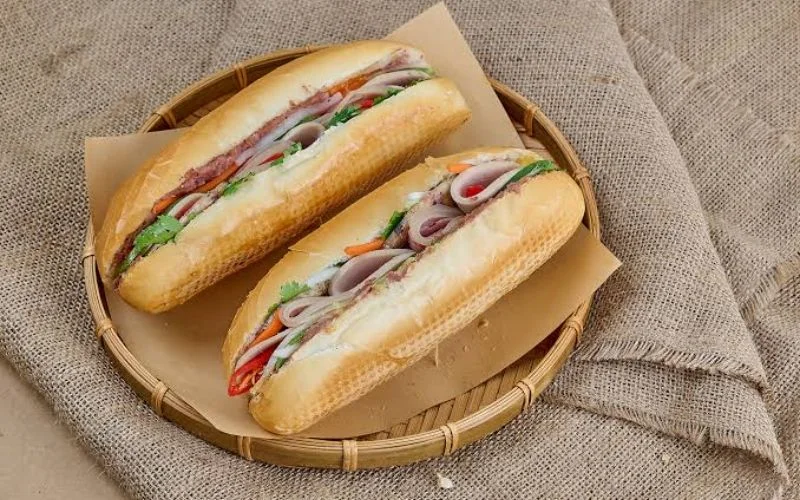
Banh mi is one of Vietnam’s most celebrated street foods, born from the fusion of French culinary heritage and Vietnamese culinary ingenuity. Evolving from the simple French baguette, it was adapted with familiar local fillings including rich pâté, cold cuts, Vietnamese ham, pickled vegetables, fresh herbs, and savory chili sauces.
The magic of Vietnamese banh mi lies in its ultra-crispy crust, airy interior, and a multifaceted explosion of flavors in every bite. Today, banh mi is not only a breakfast staple across the country but also a global street food sensation.
Banh Xeo (Crispy Vietnamese Pancake)
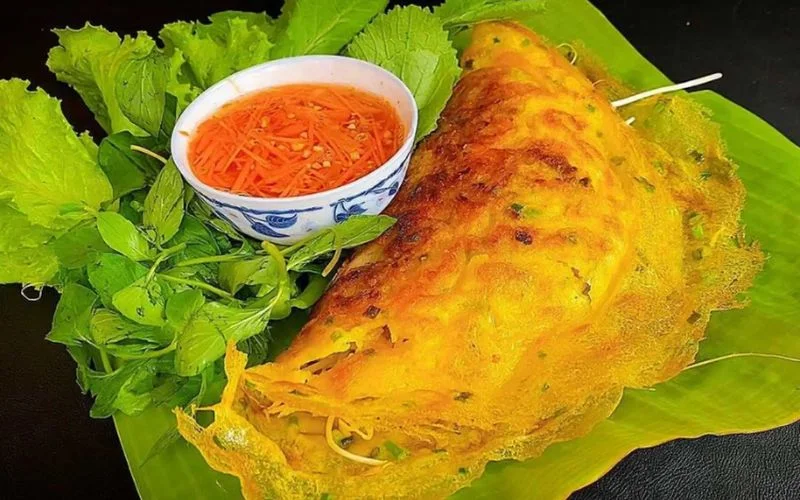
Banh xeo is a beloved traditional savory pancake found across Vietnam, particularly popular in the Central and Southern regions. The name “banh xeo” mimics the sizzling “xèo xèo” sound made when the batter hits the smoking-hot skillet, yielding a crisp, golden outer layer.
Made from rice flour whisked with turmeric and coconut milk, it is loaded with shrimp, pork, and bean sprouts, then enjoyed wrapped in fresh greens and dipped in sweet-sour nuoc cham. Regional adjustments give rise to diverse textures and flavors across the country.
Banh Cuon (Steamed Rice Rolls)
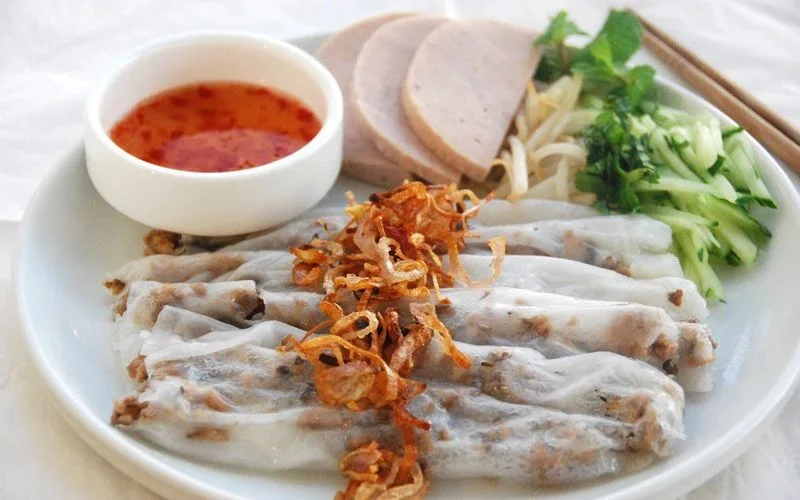
Banh cuon is a classic dish originating in Northern Vietnam, featuring paper-thin, tender sheets of steamed fermented rice batter rolled around seasoned minced pork, wood ear mushrooms, and crispy fried shallots. It is a morning comfort food staple for many Vietnamese families.
The artistry of banh cuon lies in the steam-cooking technique, requiring nimble hands to produce delicate, non-tearing sheets. It is typically served warm alongside Vietnamese pork sausage (cha lua), fresh herbs, and light dipping sauce for an elegant, understated flavor.
Banh Beo (Steamed Water Fern Rice Cakes)
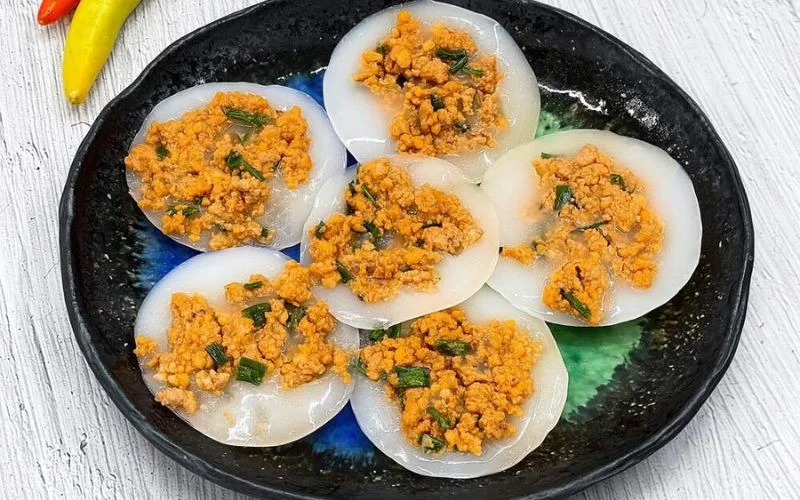
Banh beo is a renowned delicacy from Central Vietnam, closely associated with royal Hue cuisine. Small, delicate ceramic saucers are filled with steamed rice flour cakes, topped with savory dried minced shrimp, scallion oil, crispy pork cracklings, and finished with flavored fish sauce.
Despite using humble ingredients, banh beo reflects the finesse and aesthetic balance of Central Vietnamese culinary artistry. It embodies both the regal court heritage and the vibrant folk culture of Hue.
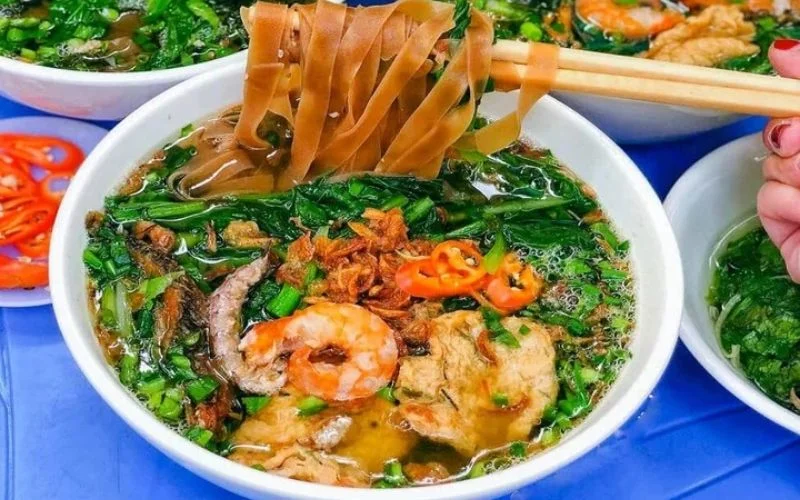
Hai Phong Banh Da Cua (Crab Red Noodle Soup)
Banh da cua is the signature specialty of the port city of Hai Phong, boasting eye-catching colors and deeply flavorful broth. Distinctive chewy reddish rice noodles are served in a rich freshwater crab broth, garnished with betel leaf pork rolls (cha la lot), water spinach, and assorted savory toppings.
This dish reflects the rustic yet vibrant nature of Northern food culture. With straightforward agrarian staples, the people of Hai Phong created a bold, memorable specialty loved by food enthusiasts nationwide.
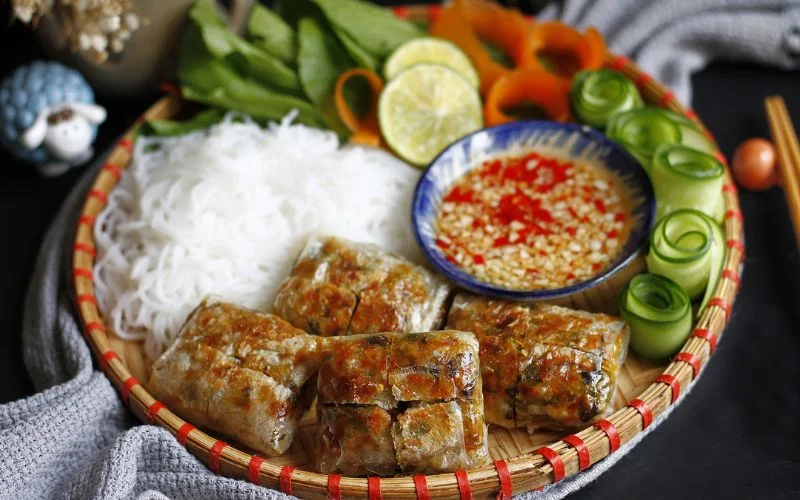
Nem Cua Be (Square Crab Spring Rolls)
Nem cua be is another standout specialty of Hai Phong, distinguished from standard cylindrical spring rolls by its large square shape and a filling packed with fresh sea crab meat. The mixture includes ground pork, shrimp, glass noodles, wood ear mushrooms, and vegetables.
With its delicate seafood sweetness and meticulous preparation, nem cua be has become a shining culinary representative of coastal Hai Phong, enriching the diverse landscape of Vietnamese delicacies.
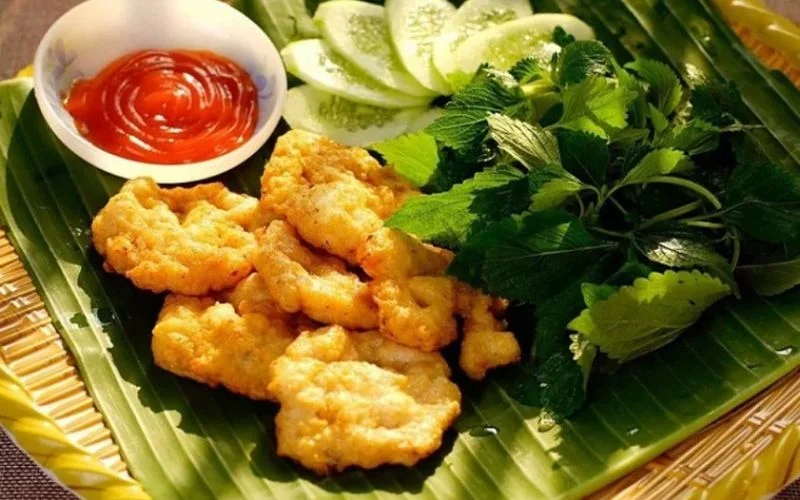
Ha Long Cha Muc (Hand-Pounded Squid Cakes)
Ha Long squid cake is a famous specialty from the coastal province of Quang Ninh, crafted from fresh squid hand-pounded using traditional techniques. This labor-intensive method gives the patties a natural springiness, crisp bite, and unadulterated seafood sweetness.
Golden-fried and piping hot, cha muc is delicious on its own or served alongside steamed sticky rice or banh cuon. It remains a prized culinary gift that almost every visitor seeks when traveling to northern coastal areas.
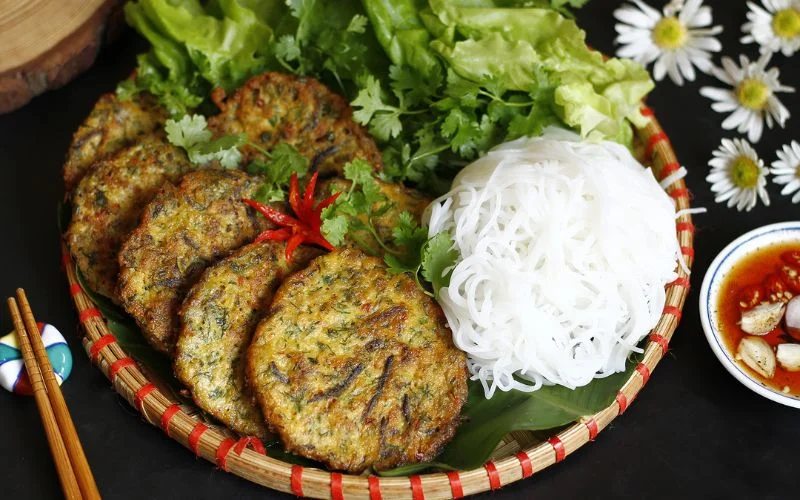
Cha Ruoi (Sandworm Omelet)
Cha ruoi is an extraordinary Northern specialty, typically prepared during the brief sandworm harvesting season—often regarded as “heaven’s gift” due to its rarity. Sandworms are mixed with minced pork, beaten eggs, dried tangerine peel, fresh dill, and spices, then fried until golden brown.
The rich, savory, and uniquely aromatic profile of cha ruoi makes it an unforgettable facet of Northern seasonal dining. While not available year-round, it holds an esteemed place among Vietnam’s authentic heritage delicacies.
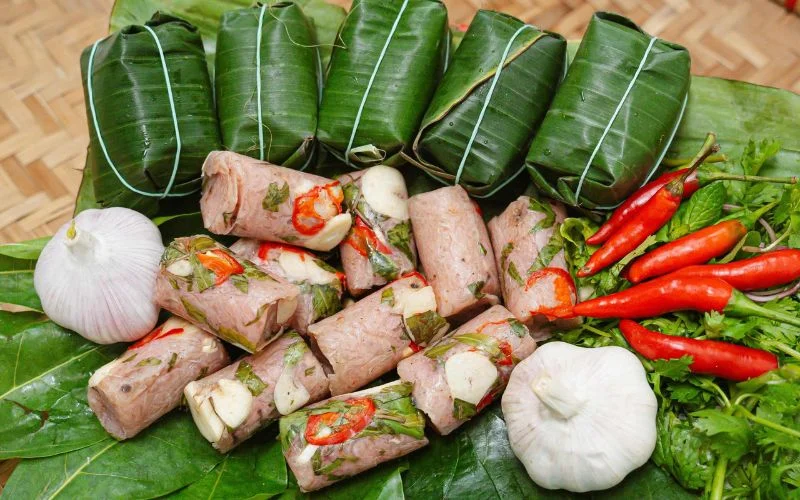
Nem Chua Thanh Hoa (Fermented Pork Rolls)
Nem chua Thanh Hoa is famous for its mildly sour tang, crisp chewiness, and distinctive garlicky-peppery punch. It is made from lean ground pork, thinly shredded pork rind, roasted rice powder (thinh), garlic, and chili, then naturally fermented over several days.
More than just a popular appetizer or snack, nem chua serves as a meaningful culinary gift representing the land of Thanh Hoa. The lively dance of sour, spicy, and savory notes provides an addictive taste experience.
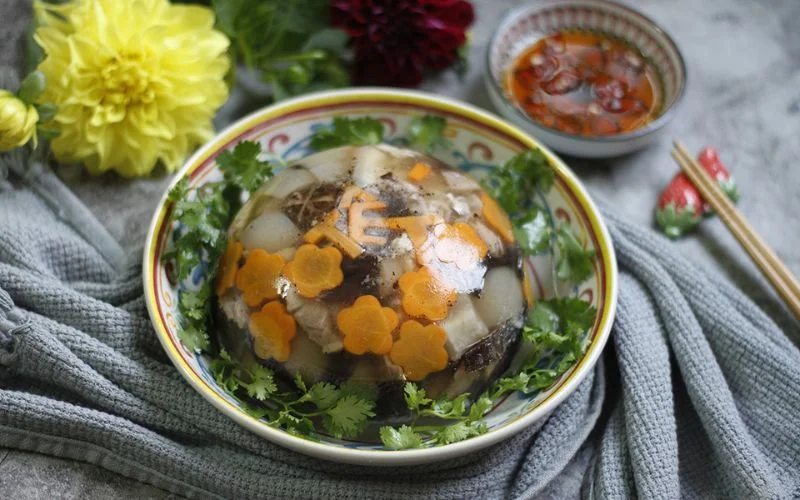
Thit Dong (Northern Jellied Pork)
Thit dong is an iconic winter and Tet holiday specialty of Northern Vietnam. Cooked slowly with pork meat, pork skin, wood ear mushrooms, and fragrant black pepper, the rich stock naturally congeals into a savory clear jelly once cooled.
The richness of the tender meat balanced by the crunchy wood ear mushrooms delivers a unique texture. Typically enjoyed with pickled shallots, thit dong is an unmistakable emblem of northern Tet celebrations.
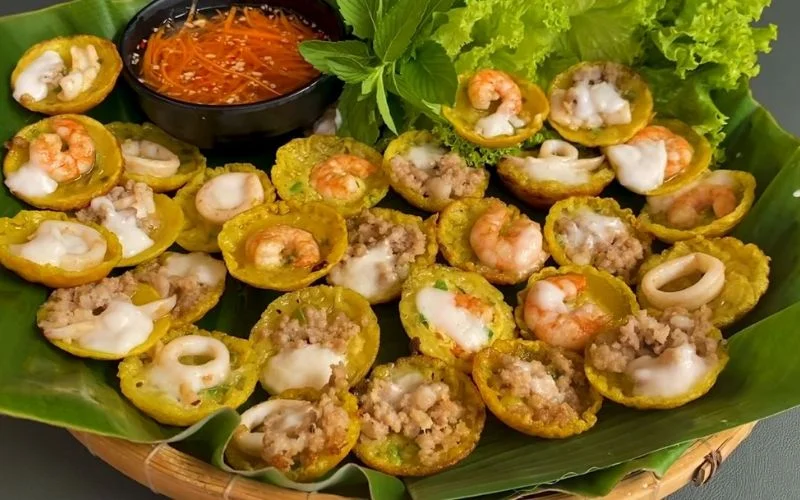
Banh Khot (Mini Savory Rice Pancakes)
Banh khot is a beloved specialty of Southern Vietnam, especially celebrated in Vung Tau. Cooked in specialized cast-iron molds, these miniature pancakes feature a crisp exterior and a soft, fragrant core topped with fresh shrimp, scallion oil, and rich coconut cream drizzle.
Banh khot is eaten wrapped in leafy greens, herbs, and dipped in sweet-tangy fish sauce. The harmony of crispness, savory decadence, and refreshing herbs makes it an irresistible treat.
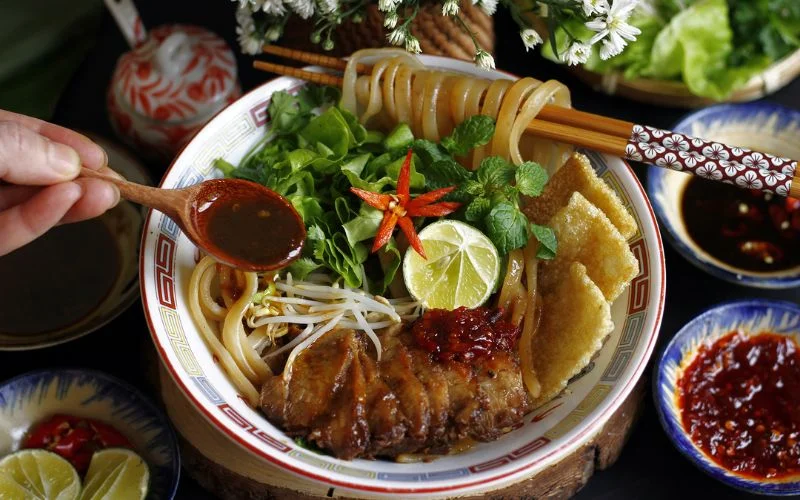
Hoi An Cao Lau
Cao lau is the hallmark culinary creation of Hoi An Ancient Town, inextricably linked with the town’s historical merchant trading port era. It features distinct chewy yellow noodles, savory char siu pork slices, crisp greens, crunchy fried croutons, and a concentrated spiced broth.
The distinctiveness of cao lau lies in the traditional preparation of its noodles, creating a chew and taste completely unlike any other noodle dish. It reflects a fascinating historical blend of regional and international cultures.
Mi Quang (Quang-Style Noodles)
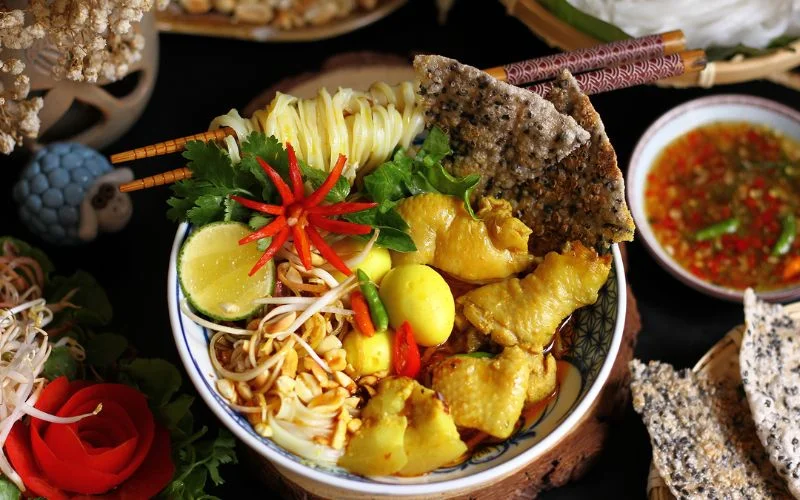
Mi Quang is the culinary pride of Quang Nam province, recognized by its wide, tender noodles, intensely seasoned shallow broth, and vibrant colorful garnishes. Common toppings include pork, shrimp, chicken, quail eggs, herbs, and toasted crushed peanuts.
Unlike traditional noodle soups, Mi Quang uses only a small ladle of concentrated broth to coat the noodles and ingredients. Its rustic elegance has made it one of Vietnam’s most celebrated traditional treasures.
The Significance of Traditional Vietnamese Cuisine in Daily Life
Beyond its gastronomic value, the essence of Vietnamese food lies in its role in the spiritual and social lives of its people. Every dish satisfies more than physical hunger; it connects meaningful moments, from humble family dinners to sacred rituals, anchoring cherished memories in family culture.
- An essential part of daily life: Familiar dishes like broken rice, sour fish soup, braised claypot fish, or bun cha are intimately woven into the rhythm of daily life across Vietnamese households.
- A symbol in festive holidays and traditional rites: Specific foods are reserved for Tet, ancestor worship days, and weddings to convey solemnity, respect, and reverence.
- A connection to homeland and roots: The aroma of traditional dishes evokes childhood memories, home villages, and ancestral bonds, fostering deep appreciation for one’s roots.
- A cultural bridge connecting Vietnam to the world: Today, iconic dishes like pho, banh mi, and fresh spring rolls proudly present the hospitable spirit and heritage of Vietnam to global friends.
Conclusion
Across generations, traditional Vietnamese cuisine has continually retained its timeless value in culture and daily life. If you wish to savor authentic Vietnamese delicacies crafted with refined contemporary flair, visit Madame Lam to discover the essence of Vietnamese dining within an elegant, cozy, and culturally rich atmosphere.
Madame Lam Restaurant
- Address: No. 10 Tran Ngoc Dien, Thu Duc City, Ho Chi Minh City
- Hotline: 070 322 6262
- Email: booking.mdl@mamamia.vn
- Website: https://madamelam.com/
- Fanpage: https://www.facebook.com/MadameLamRestaurant/
- TikTok: https://www.tiktok.com/@madamelamvn
- Tripadvisor: https://www.tripadvisor.com/Restaurant_Review-g293925-d24053236-Reviews-Madame_Lam_Vietnamese_Contemporary_Cuisine-Ho_Chi_Minh_City.html
- YouTube: https://www.youtube.com/@madamelamvn
- X: https://x.com/madamelamvn
- Tumblr: https://www.tumblr.com/madamelamvn
- Reddit: https://www.reddit.com/user/madamelamvn/
- Twitch: https://www.reddit.com/user/madamelamvn/
- LinkedIn: https://www.linkedin.com/in/madamelamvn/
- Pinterest: https://www.pinterest.com/madamelamvn/
- Flipboard: https://flipboard.com/@madamelamvn
- Scoop.it: https://www.scoop.it/u/madamelamvn
- Instapaper: https://www.instapaper.com/p/madamelamvn
- Vimeo: https://vimeo.com/madamelamvn
- Dribbble: https://dribbble.com/madamelamvn