

On a traditional dining tray, a humble pair of chopsticks is not merely a tool for picking up food, but also a symbol of connection and etiquette. Join Madame Lam in exploring the Vietnamese chopstick culture, where ancestral philosophy harmoniously blends into a contemporary culinary perspective.
Origins and Characteristics of Chopsticks in Vietnamese Culture
Chopsticks are an indispensable item in Vietnamese meals, closely tied to everyday life and traditional culinary heritage. Since ancient times, the Vietnamese have crafted chopsticks from bamboo and wood, drawing on abundant natural resources well-suited to the lifestyle of an agrarian society.
Vietnamese chopsticks typically feature a straightforward design—moderately long with tapered tips—making it effortless to pick up various foods such as rice, vegetables, fish, and meat. Beyond serving dining needs, chopsticks also reflect dexterity, mindfulness, and the communal dining traditions of Vietnamese families.
Compared to those of other Asian nations, Vietnamese chopsticks are well-balanced in shape, made from familiar materials, and versatile in use. While Chinese chopsticks tend to be longer for large communal dining tables, Japanese chopsticks are often pointed at the tips for picking up fish, and Korean chopsticks are predominantly made of metal, Vietnamese chopsticks stand out for their rustic simplicity and deep connection to family culture.
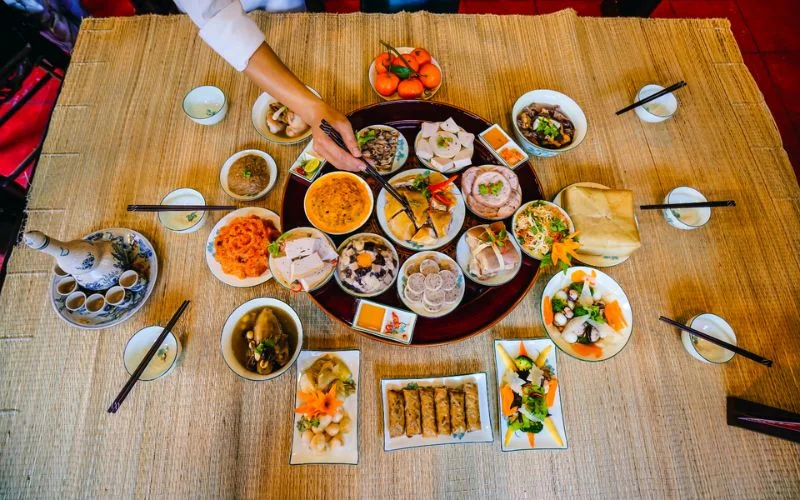
The Significance of Chopsticks in Vietnamese Culture
In Vietnamese culture, chopsticks are not merely eating utensils; they carry profound spiritual and cultural values.
A Symbol of Bonding and Harmony
The concept of chopsticks coming in pairs symbolizes companionship and strong ties among family members. Though separate, two chopsticks must always work side by side to achieve a common purpose—much like how people need unity, harmony, and mutual support in life.
At a Vietnamese dining table, everyone shares communal dishes, expressing closeness and togetherness. Chopsticks, therefore, transcend material utility to represent familial affection, love, and human connection.
Reflecting Etiquette and Politeness at the Dining Table
The way one handles chopsticks also reflects dining manners and personal grace. Gestures such as serving food to elders, using clean ends when picking from communal plates, or laying chopsticks down neatly all demonstrate care and respect for fellow diners.
Through chopstick etiquette, Vietnamese people convey values of moderation, thoughtfulness, and consideration for others. This is an essential pillar of Vietnamese dining culture, helping preserve traditional values in modern life.
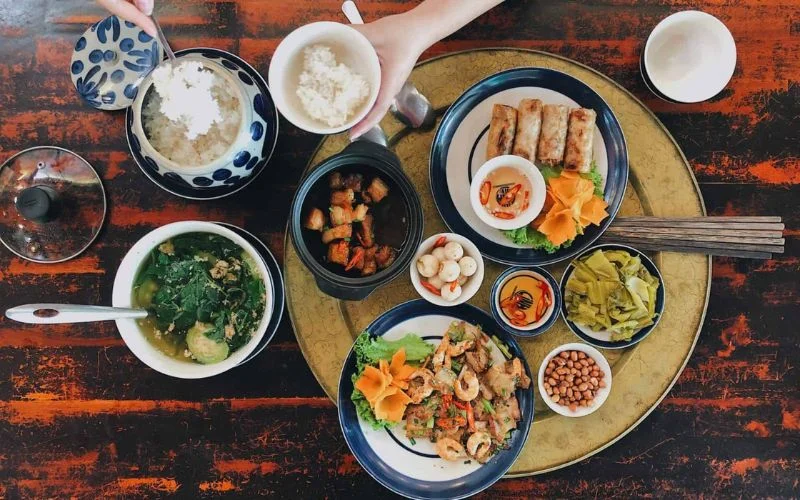
Vietnamese Dining Culture and Essential Chopstick Etiquette
In Vietnamese table culture, chopstick habits reflect not only eating customs but also politeness and social grace. Mindful chopstick rules help maintain a warm, welcoming ambiance and show respect toward others at the table, especially during family meals or when hosting guests.
Using Chopsticks Appropriately with Family, Guests, and Elders
When dining with family, guests, or elders, hold chopsticks steadily, pick up food gently, and avoid making clattering noises. Offering food to guests or elders also conveys attentiveness and deep respect.
In some families, using clean ends to take food from communal dishes is a long-standing tradition. Today, using dedicated serving spoons or serving chopsticks for communal dishes is increasingly preferred to align with modern dining practices.
Reversing Chopsticks When Serving Food to Others
Reversing chopsticks is a customary gesture in Vietnamese dining culture. When serving food to others—especially elders—many people reverse their chopsticks to use the end that has not touched their mouth.
This gesture demonstrates thoughtfulness, consideration, and respect for table companions. Although many families now use separate serving utensils, this practice remains a cherished tradition in Vietnamese culinary etiquette.
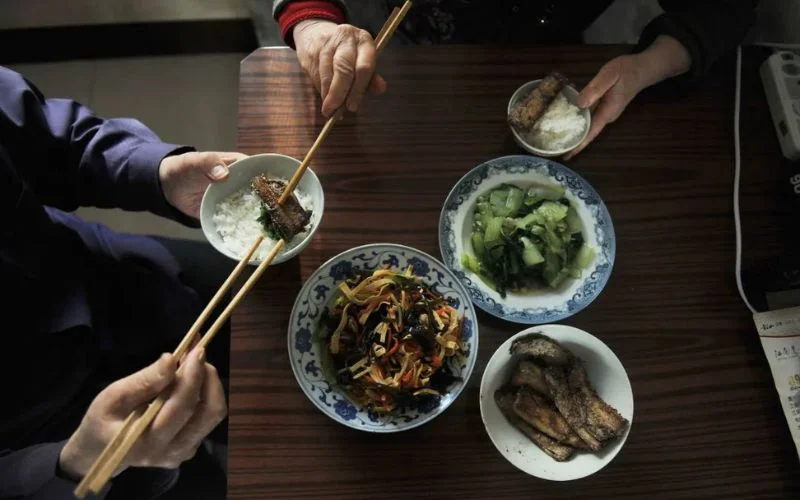
Taboos in Vietnamese Chopstick Culture
In Vietnamese chopstick culture, certain actions are regarded as impolite or contrary to table etiquette. These taboos stem not only from traditional beliefs but also from the fundamental rule of showing respect to fellow diners.
Never Stick Chopsticks Upright into a Bowl of Rice
Vietnamese people strictly avoid sticking chopsticks vertically into a bowl of rice, as this resembles incense sticks placed in rice bowls during ancestral offerings or funeral rituals for the deceased. In everyday meals, chopsticks should be laid horizontally across the bowl or placed on a chopstick rest to maintain propriety.
Never Tap Chopsticks on Bowls or Trays
Tapping chopsticks against a bowl or the dining tray is considered poor manners. According to folk belief, this sound evokes images of beggars or creates a disruptive, disrespectful atmosphere. Therefore, handle chopsticks gently to avoid unnecessary noise that could disturb others.
Never Point Chopsticks at Others
Pointing chopsticks at someone across the table is seen as rude and offensive. Chopsticks are dining utensils and should never substitute hand gestures during conversations. Holding them properly and discreetly demonstrates politeness and tact.
Never Rummage Through Shared Dishes for the Best Bites
When eating from communal plates, Vietnamese diners refrain from turning food over repeatedly to pick the best morsels. Doing so appears inconsiderate and unhygienic. Instead, pick a suitable portion from the part of the dish closest to you to preserve harmony at the table.
The Role of Chopsticks in Preserving Modern Vietnamese Culture
In modern life, even as dining habits evolve, chopsticks retain their essential place in Vietnamese culture. More than just a dining utensil, chopsticks help sustain traditional values, symbolize family cohesion, and reflect cultural etiquette.
Chopsticks in Today’s Family Meals
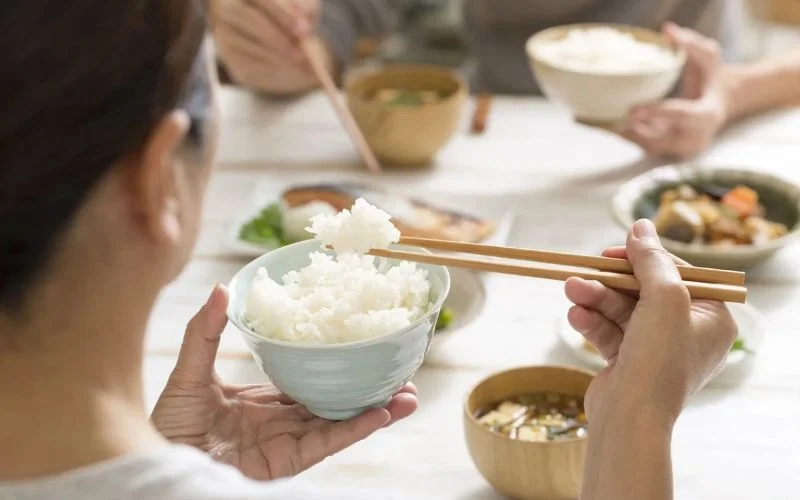
Today, Vietnamese families continue to use chopsticks in their daily meals. The scene of loved ones gathered around the dining table, using chopsticks to share dishes, remains a warm emblem of togetherness and reunion.
Beyond their practical function, chopsticks connect generations. Through small practices such as inviting elders to eat, serving food to one another, and following proper dining etiquette, children learn politeness, mindfulness, and respect.
Preserving Chopstick Culture in Contemporary Life
Societal progress brings many new dining styles, yet preserving chopstick culture remains key to safeguarding Vietnamese culinary identity. Habits such as proper chopstick etiquette, respecting fellow diners, and maintaining good table manners should be passed down to future generations.
Beyond the home, chopsticks also represent Vietnamese culture during cultural exchanges and culinary presentations with international friends. Preserving the beauty of chopstick traditions is an integral part of keeping heritage alive in modern society.
Frequently Asked Questions About Vietnamese Chopstick Culture
1. When did Vietnamese people start using chopsticks?
Answer: While an exact historical milestone has not been definitively established, chopsticks have been part of Vietnamese culinary culture since ancient times.
2. What materials are traditionally used to make Vietnamese chopsticks?
Answer: Traditional Vietnamese chopsticks are typically made from bamboo, reed, or wood due to their rustic charm, convenience, and suitability for daily life.
3. Is chopstick culture considered an integral part of Vietnamese culinary culture?
Answer: Yes. Chopsticks are dining utensils that reflect daily lifestyle habits, table etiquette, and family bonding in Vietnamese meals.
4. How does Vietnamese chopstick culture differ from that of other Asian countries?
Answer: Vietnamese chopsticks are distinguished by their balanced simplicity, natural wooden or bamboo materials, and close connection to traditional family meals.
Conclusion
Vietnamese chopstick culture reflects not only dining habits, but also deep-seated values of unity, politeness, and traditional beauty in every family meal. Even as modern life changes rapidly, upholding proper chopstick etiquette helps preserve the enduring cultural identity of Vietnam.
Madame Lam Restaurant
- Address: 10 Tran Ngoc Dien, Thu Duc, Ho Chi Minh City
- Hotline: 070 322 6262
- Email: booking.mdl@mamamia.vn
- Website: https://madamelam.com/
- Fanpage: https://www.facebook.com/MadameLamRestaurant/
- TikTok: https://www.tiktok.com/@madamelamvn
- Tripadvisor: https://www.tripadvisor.com/Restaurant_Review-g293925-d24053236-Reviews-Madame_Lam_Vietnamese_Contemporary_Cuisine-Ho_Chi_Minh_City.html
- YouTube: https://www.youtube.com/@madamelamvn
- X: https://x.com/madamelamvn
- Tumblr: https://www.tumblr.com/madamelamvn
- Reddit: https://www.reddit.com/user/madamelamvn/
- Twitch: https://www.reddit.com/user/madamelamvn/
- LinkedIn: https://www.linkedin.com/in/madamelamvn/
- Pinterest: https://www.pinterest.com/madamelamvn/
- Flipboard: https://flipboard.com/@madamelamvn
- Scoop it: https://www.scoop.it/u/madamelamvn
- Instapaper: https://www.instapaper.com/p/madamelamvn
- Vimeo: https://vimeo.com/madamelamvn
- Dribbble: https://dribbble.com/madamelamvn