

Vietnamese folk cuisine is the crystallization of familiar ingredients, traditional cooking methods, and the cultural beauty of each region. Each dish not only carries a distinctive flavor but is also closely tied to family memories, customs, and the lives of Vietnamese people across generations. Join Madame Lam to explore outstanding Vietnamese folk dishes and experience the rustic charm, refinement, and rich identity found in every hometown flavor.
What Is Folk Cuisine? Cultural Beauty in Vietnamese Food
Folk dishes are traditional culinary creations handed down through generations, typically made with familiar ingredients and cooking techniques closely connected to everyday Vietnamese life. Each dish boasts the unique flavor of its native region, reflecting cultural beauty, customs, and familial affection, thereby preserving the nation’s traditional culinary identity.
Distinctive Vietnamese Folk Dishes by Region
Vietnamese folk dishes embody the cultural beauty and distinctive flavors of each land. Let’s discover prominent Vietnamese folk specialties across the three regions to appreciate the diversity of traditional cuisine.
Northern Folk Dishes
Northern cuisine is deeply connected to folk dishes that carry stories of the land, its people, and long-standing customs. Behind every dish lies not just a familiar taste, but memories and traditions preserved across generations.
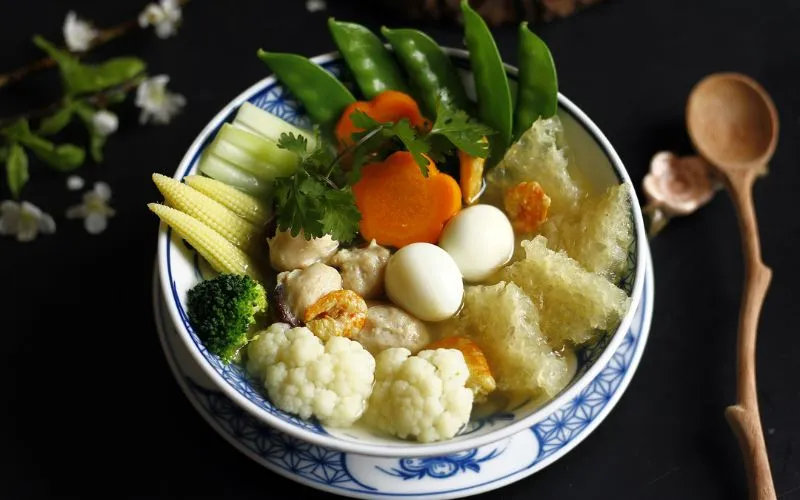
Canh bóng thả (Dried Pig Skin Soup with Vegetables)
Canh bóng thả is a traditional soup in the celebratory feast of the North—especially in ancient Hanoi—and is commonly served during Tet (Lunar New Year). People often liken this soup to a harmonious blend of heaven and earth, brought out by the colorful vegetables, the subtle sweetness of the broth, and the refinement of its preparation. From humble ingredients like dried pork skin, chicken, shiitake mushrooms, and fresh vegetables, women of the past created an exquisite dish showcasing dexterity and meticulous care for family reunion meals.
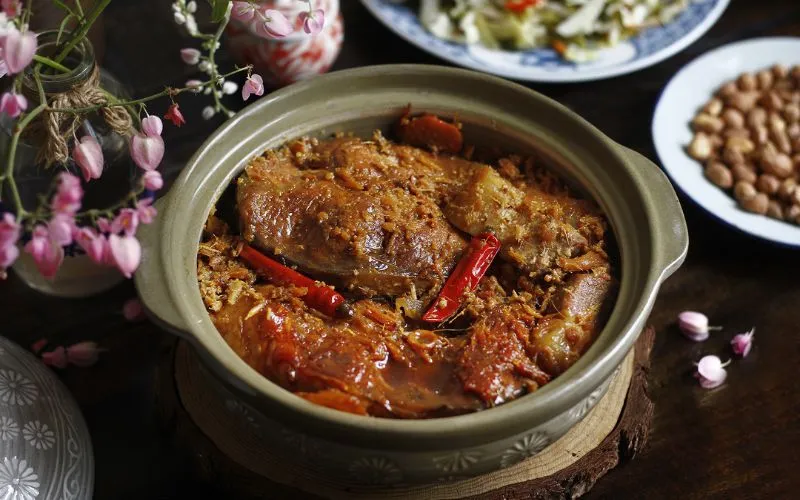
Vu Dai Village Braised Fish (Cá kho làng Vũ Đại)
Vu Dai Village Braised Fish is a folk dish associated with the Dai Hoang area (now part of Ha Nam province), famously depicted in writer Nam Cao’s literary masterpiece “Chi Pheo.” Traditionally, families prepare this braised fish during Tet to offer to ancestors and savor during the first days of the new year.
The fish is braised in clay pots for many hours with galangal, ginger, fermented crab sauce, and seasonings, creating a deeply savory and rich flavor. Over generations, this traditional braising technique has been preserved by locals as an iconic culinary hallmark of their homeland.
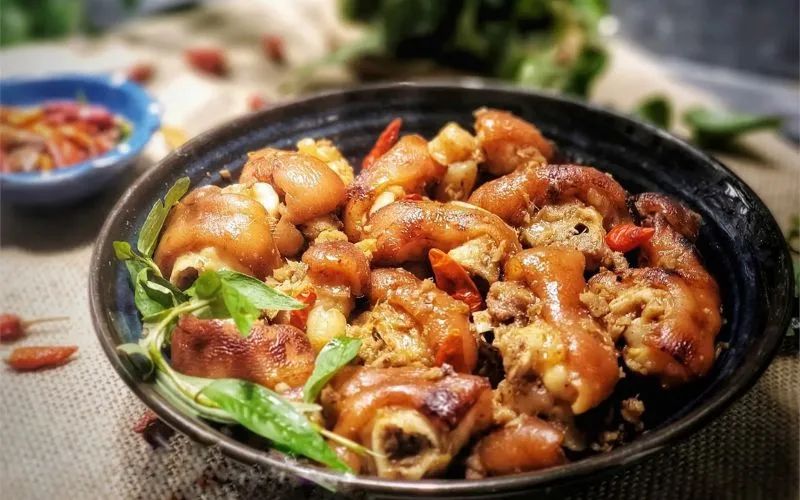
Giả cầy (Braised Pork Hock with Galangal and Fermented Shrimp Paste)
Giả cầy is a familiar comfort dish in Northern cuisine, characterized by pork hock braised with galangal, fermented rice (mẻ), shrimp paste (mắm tôm), and traditional spices. The dish offers an aromatic, robust, and distinct flavor profile. During family dinners or gatherings, giả cầy often appears as a dish that evokes the taste of home and strengthens familial bonds.
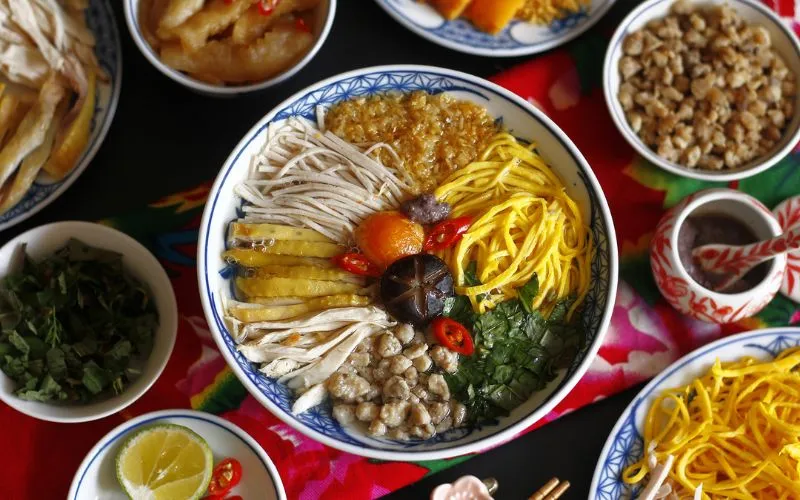
Bún thang (Hanoi Chicken, Egg, and Pork Noodle Soup)
Bún thang is a renowned folk noodle dish of Hanoi, representing the culinary elegance and sophistication of the people of Trang An. Tradition holds that the dish originated from making creative use of leftover ingredients from Tet feasts—such as boiled chicken, Vietnamese ham (giò lụa), and eggs—to craft a fresh, aesthetically pleasing, and flavorful meal.
Through the skillful hands of homemakers, bún thang evolved into an intricate dish featuring dozens of finely shredded ingredients arranged harmoniously, exemplifying the artistry and meticulousness of old Hanoi cuisine.
Central Vietnamese Folk Dishes
Central cuisine bears its own distinct mark with rustic folk dishes that carry stories of the rugged land and its resilient people. From everyday local ingredients, the people of Central Vietnam have created intensely flavorful dishes closely tied to the daily life, customs, and memories of many generations.
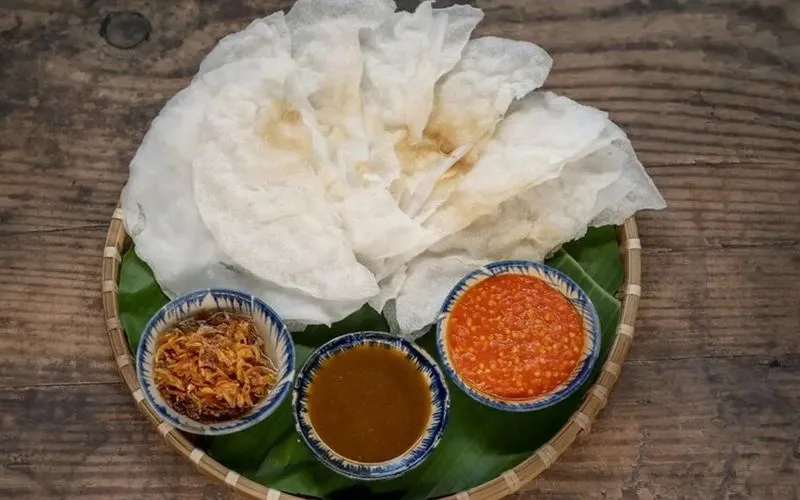
Bánh đập (Cracked Rice Cracker with Wet Rice Paper)
Bánh đập is closely associated with Central Vietnam, particularly famous in Quang Nam and coastal provinces. The name “bánh đập” (smashed/cracked cake) comes from its unique way of eating: diners gently press or hit the cake with their hand so that the crispy baked rice paper breaks and adheres to the soft, steaming layer of wet rice paper inside. From simple ingredients like rice flour, crispy fried shallots, and fermented anchovy sauce (mắm nêm), locals crafted a humble dish deeply infused with regional culinary identity.
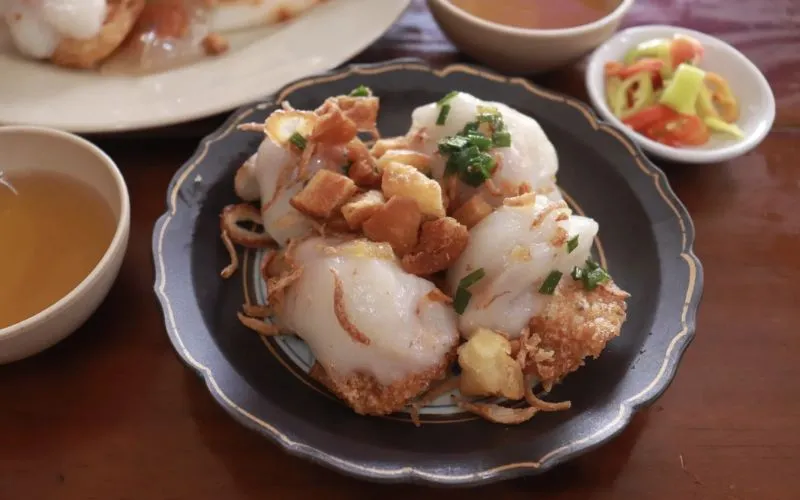
Ram ít Huế (Hue Crispy Sticky Rice Dumplings)
Originally a folk treat, Bánh ram ít was later elevated to Hue royal court cuisine, exemplifying the delicate culinary craftsmanship of ancient Hue. The dish combines a golden, crunchy fried sticky rice base (ram) topped with a soft, chewy steamed glutinous rice dumpling (ít), creating a harmonious interplay of taste and texture. From simple ingredients such as glutinous rice flour, shrimp, and pork, locals created a specialty frequently featured at banquets and festivals, becoming an iconic symbol of the ancient capital’s cuisine.
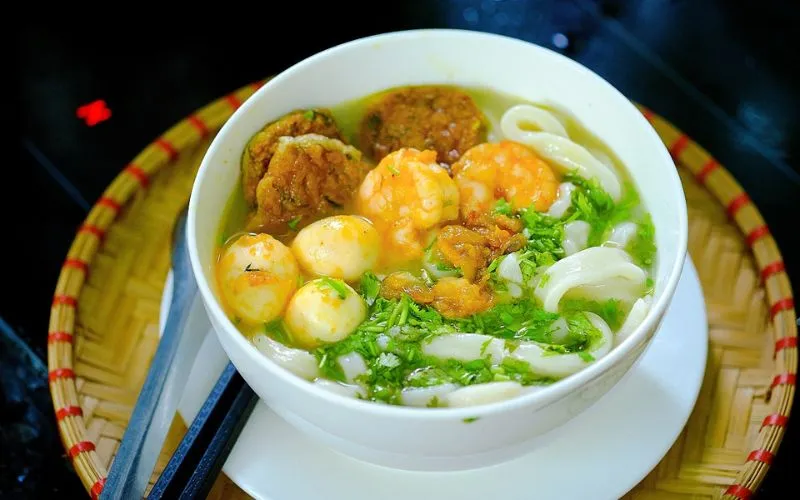
Cháo canh Quảng Bình (Quang Binh Thick Noodle Soup)
Cháo canh is a staple in the daily life of Quang Binh locals, especially for simple morning family meals. Despite its name (which translates literally to “porridge soup”), it is not a rice congee; rather, it features tender, chewy handmade noodle strands served in a rich, flavorful broth with fish, shrimp, or pork. This combination reflects the creativity of Central Vietnamese people in transforming modest ingredients into a comforting specialty of their homeland.
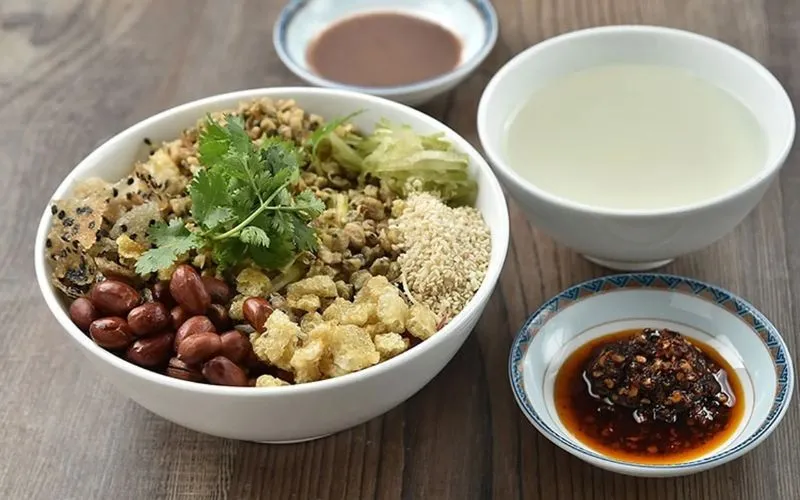
Cơm hến (Baby Basket Clam Rice)
Cơm hến was originally a humble dish of working-class people in Hue, blending cooled cooked rice with stir-fried baby clams, fresh herbs, roasted peanuts, crispy pork cracklings, and aromatic spices to deliver a multi-layered explosion of flavor. Over time, it has become an iconic dish of Hue cuisine, evoking images of rustic life along the Perfume River. The harmony of spicy, salty, nutty, and savory notes ensures cơm hến maintains an enduring appeal to visitors and locals alike.
Southern Folk Dishes
Southern cuisine is defined by its generous, unpretentious spirit and the plentiful bounty of nature. Dishes here are inextricably linked with the riverine lifestyle of the Mekong Delta, reflecting the locals’ ingenuity in transforming everyday produce into unforgettable regional flavors.
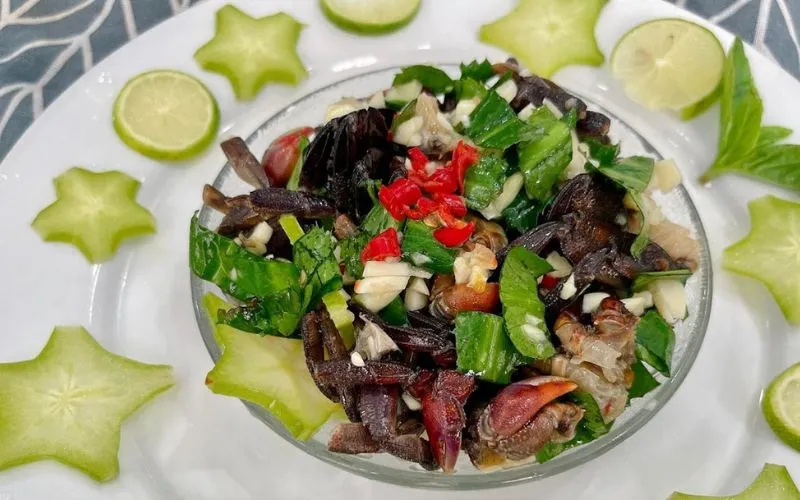
Ba khía muối (Salted Fermented Fiddler/Mangrove Crabs)
Long cherished in Ca Mau and coastal Mekong Delta provinces, salted ba khía stems from the local tradition of preserving abundant seafood catches. During the crab season, people harvest fresh crabs and salt them for year-round consumption. From this simple preservation technique emerged a beloved delicacy with a distinct salty taste, typically dressed with garlic, chili, sugar, and calamansi or lime juice to create an irresistible, robust side dish for countryside meals.
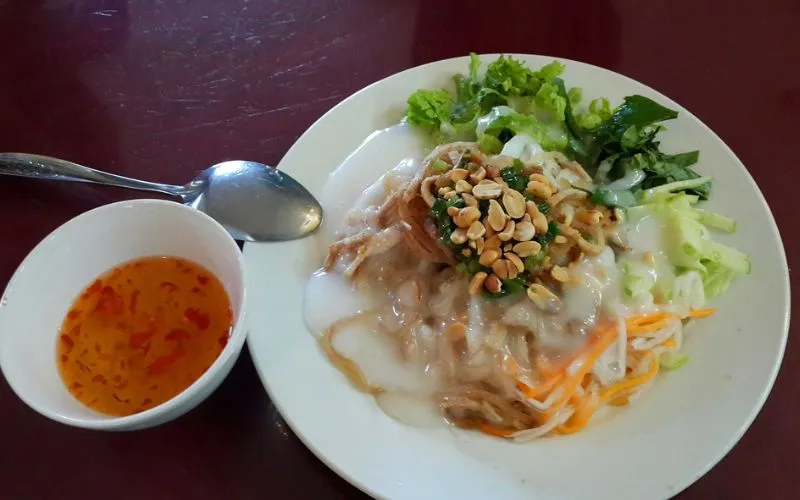
Bánh tằm bì (Silkworm Rice Noodles with Shredded Pork Skin)
Originating from street vendors and humble eateries across the Mekong Delta, bánh tằm bì makes an impression with its harmonious combination of thick, chewy rice noodles, shredded pork and pork skin (bì), fresh herbs, rich coconut cream, and sweet-and-sour fish sauce. This seemingly unconventional pairing highlights the ingenuity of Southern cooks in balancing savory, sweet, creamy, and zesty notes. Over time, bánh tằm bì has become a nostalgic comfort food evoking the idyllic simplicity of river-land culinary culture.
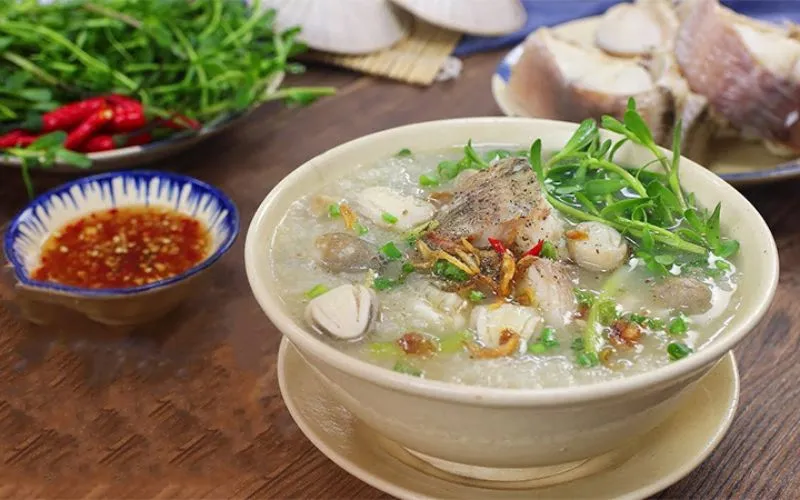
Cháo cá rau đắng (Fish Rice Porridge with Bitter Greens)
Deeply rooted in the life of the waterways, cháo cá rau đắng showcases the rustic beauty of utilizing fresh ingredients provided by nature. Freshly prepped freshwater field fish is simmered with plain rice congee and paired with crisp bitter greens (rau đắng), producing a taste that is both sweet, refreshing, and distinct. Frequently appearing at family dinner tables, the dish carries a sense of warmth and evokes fond memories of peaceful Southern countrysides.
Why Are Vietnamese Folk Dishes Always Beloved?
Vietnamese folk dishes possess an enduring appeal thanks to their familiar flavors, traditional cooking techniques, and cultural values passed down across generations. Key reasons why Vietnamese folk cuisine remains so widely loved include:
- Tied to memories and family life: Many dishes evoke memories of one’s hometown, warm family reunions, and the beauty of Vietnamese family culture.
- Familiar, accessible ingredients: Folk dishes primarily make use of local produce, making them suitable for daily meals and easy to prepare at home.
- Carrying distinct regional flavor profiles: Each dish reflects the unique characteristics of the North, Central, and South, contributing to the rich diversity of Vietnamese gastronomy.
- Rustic yet refined preparation: Simple homemade folk dishes maintain timeless traditional flavors through ingenious combinations of ingredients.
- Embodying longstanding cultural values: Every dish is intertwined with local customs, folklore, and everyday lifestyles cherished by generations of Vietnamese people.
Savoring Folk Dishes: A Way to Preserve Vietnamese Culinary Heritage
Vietnamese folk dishes safeguard hometown flavors, cultural tales, and local customs from every part of the country. Experiencing, learning about, and preserving these traditional recipes allows future generations to carry forward centuries of culinary heritage while sharing the beauty of Vietnamese culture with the world. Each humble folk dish contributes to the richness and distinctive brilliance of the national cuisine.
Conclusion
Vietnamese folk dishes always carry the quintessential taste of home and the distinctive cultural values of each region. If you wish to experience refined Vietnamese flavors within a cozy, inviting ambiance, visit Madame Lam to savor Vietnamese culinary creations harmoniously reinterpreted between timeless tradition and contemporary flair.
Madame Lam Restaurant
- Address: 10 Tran Ngoc Dien, Thu Duc City, Ho Chi Minh City
- Hotline: 070 322 6262
- Email: booking.mdl@mamamia.vn
- Website: https://madamelam.com/
- Fanpage: https://www.facebook.com/MadameLamRestaurant/
- TikTok: https://www.tiktok.com/@madamelamvn
- TripAdvisor: https://www.tripadvisor.com/Restaurant_Review-g293925-d24053236-Reviews-Madame_Lam_Vietnamese_Contemporary_Cuisine-Ho_Chi_Minh_City.html
- YouTube: https://www.youtube.com/@madamelamvn
- X: https://x.com/madamelamvn
- Tumblr: https://www.tumblr.com/madamelamvn
- Reddit: https://www.reddit.com/user/madamelamvn/
- Twitch: https://www.reddit.com/user/madamelamvn/
- LinkedIn: https://www.linkedin.com/in/madamelamvn/
- Pinterest: https://www.pinterest.com/madamelamvn/
- Flipboard: https://flipboard.com/@madamelamvn
- Scoop.it: https://www.scoop.it/u/madamelamvn
- Instapaper: https://www.instapaper.com/p/madamelamvn
- Vimeo: https://vimeo.com/madamelamvn
- Dribbble: https://dribbble.com/madamelamvn