

Proper seasoning enhances the richness of a dish while preserving the distinct flavor of each ingredient. From everyday culinary spices to convenient powdered seasonings and iconic Vietnamese culinary spices, each has its own unique application. Join Madame Lam in discovering common cooking seasonings to effortlessly select and combine them for delicious family meals.
What Are Cooking Seasonings?
Cooking seasonings are ingredients added to dishes to impart taste, elevate aroma, neutralize unwanted odors, and highlight the natural flavors of food. Common staples such as salt, sugar, fish sauce, black pepper, shallots, garlic, ginger, lemongrass, and more are used flexibly depending on the dish and taste preferences, contributing to the signature flavor profile of Vietnamese cuisine.
Popular Cooking Seasonings in the Vietnamese Kitchen
In everyday family meals, seasonings are used to balance salty, sweet, spicy, and savory notes, making dishes far more appetizing. Depending on the ingredients and cooking techniques, each dish requires a different seasoning approach. The familiar ingredients below can be found in almost every Vietnamese kitchen.
Basic Seasonings
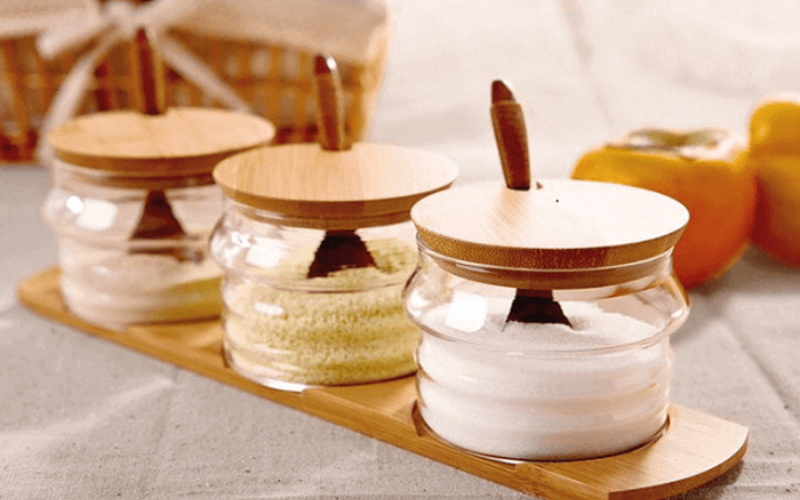
- Salt is a foundational seasoning that provides saltiness and enhances the natural flavor of ingredients. It is commonly used for marinating meat and fish, seasoning soups, stir-frying vegetables, or boiling dishes.
- Sugar provides sweetness and is often used to balance out salty, sour, or spicy flavors. Beyond braised, simmered, and stir-fried dishes, sugar also creates an appealing color when caramelized.
- Fish sauce is a quintessentially Vietnamese staple with a robust savory taste and a distinctive aroma. It can be used to marinate ingredients, season dishes during cooking, or be mixed into dipping sauces.
- Soy sauce delivers a mild saltiness, a rich brown hue, and is well-suited for vegetarian dishes, stir-fries, or dipping sauces. Depending on preference, soy sauce can be paired with chili, garlic, sugar, or lime for a well-rounded flavor.
- Seasoning granules (hạt nêm) are commonly used to add savory depth to soups, stir-fries, braised dishes, and everyday family cooking. When using it, adjust the amount based on other salty condiments already present, such as fish sauce or soy sauce.
- Monosodium glutamate (MSG) is a flavor enhancer that boosts umami, delivering a more savory and harmonious profile when used in appropriate amounts.
- Black pepper offers a mild spiciness and a signature fragrance, often used to marinate meat and fish or sprinkled over food right after cooking. Ground black pepper also elevates the flavor of broths, soups, congee, and braised dishes.
Aromatics and Deodorizing Seasonings
Beyond basic taste-enhancing seasonings, several ingredients are used primarily to impart fragrance and neutralize natural raw odors from meat and seafood. These aromatics feature prominently across Vietnamese cooking.
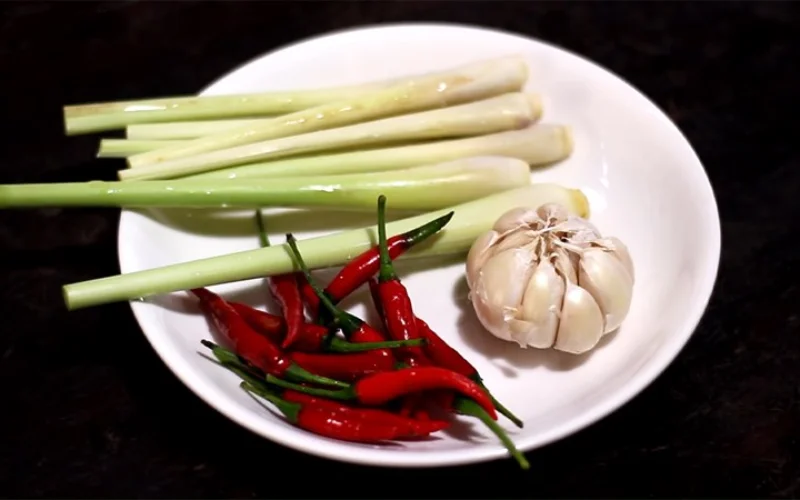
- Shallots and garlic are usually minced or crushed to sauté until fragrant, marinate meat and fish, or serve as the aromatic base for stir-fries and braised dishes. Garlic delivers a bold, pungent fragrance, while shallots offer a milder, sweet aroma that blends seamlessly with various ingredients.
- Ginger has a warm, spicy bite and a distinctive aroma, making it ideal for preparing fish, duck, beef, or soups. Ginger is also used to tame gamey or fishy odors while adding comforting warmth to dishes.
- Lemongrass is renowned for its unmistakable citrusy aroma, frequently featured in chicken, grilled meats, seafood, braises, and broth-based dishes. It can be minced, crushed, or sliced depending on the cooking method.
- Chilies bring heat and vibrant color, whether added directly into cooked dishes or incorporated into dipping sauces. The amount should be adjusted to match spice tolerance and the nature of each dish.
- Lime leaves (kaffir lime leaves) are typically julienned or lightly bruised to impart a refreshing fragrance to chicken dishes, steamed foods, boiled meats, and select seafood. Even a small amount can significantly elevate a dish.
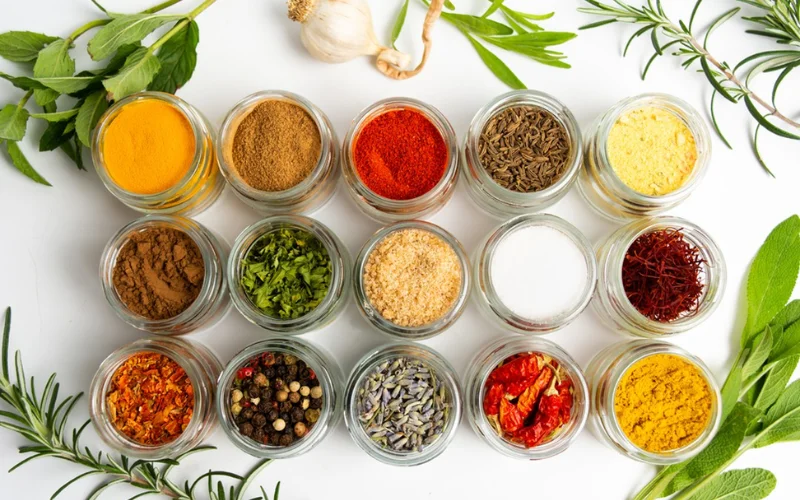
Commonly Used Powdered Seasonings
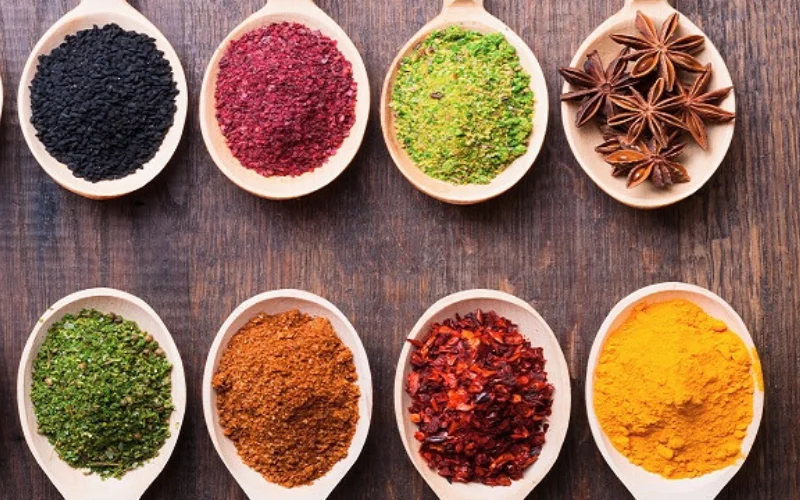
Powdered seasonings are increasingly popular thanks to their convenience and ability to quickly add color and aroma. However, each powder has unique characteristics, requiring careful selection for each recipe.
- Turmeric powder has a vibrant yellow color and is commonly used in braised fish, pork, chicken, or select stir-fries. It lends dishes an attractive golden hue and a subtle earthy fragrance.
- Chili powder is used to add fiery heat and a rich red color. Depending on the variety, spice levels can vary considerably, so it is best to taste-test before use, particularly when cooking for families with young children.
- Garlic powder and onion powder are convenient alternatives when you need aromatic flavor without fresh ingredients on hand. Both work well for marinating meat and seafood, crafting sauces, or seasoning fried and roasted dishes.
- Five-spice powder is an aromatic blend of multiple spices, frequently used in grilled, roasted, and braised meats, as well as marinades. Use it sparingly so its bold aroma does not overpower the main ingredients.
- Curry powder ranges from yellow to deep brown depending on the spice blend, carrying a rich, pungent fragrance. It is widely used in curries, stir-fries, and select poultry or meat dishes to introduce a distinctive twist.
How to Pair and Balance Cooking Seasonings
Combining seasonings is not merely a matter of personal preference; it also hinges on the ingredients, cooking method, and characteristics of the dish. Understanding the role of each spice helps you season with intention, preventing dishes from becoming overly salty, overly sweet, or smothered by heavy aromatics.
Choosing the Right Seasonings for Each Dish
Each dish typically calls for a complementary set of seasonings to accentuate its signature flavor. For braised and simmered dishes, fish sauce, sugar, black pepper, shallots, and garlic are often combined to build savory depth. Soups generally require a lighter touch—such as salt, fish sauce, seasoning granules, scallions, or fresh herbs—to preserve the clean, delicate nature of the broth.
For stir-fries, you can incorporate garlic, shallots, black pepper, fish sauce, or oyster sauce depending on the ingredients. Grilled dishes pair naturally with bold aromatics like lemongrass, garlic, shallots, pepper, chilies, honey, or five-spice powder. Boiled dishes, on the other hand, rarely need heavy seasoning during cooking; instead, they rely on flavorful dipping sauces to preserve the natural taste of the food.
Seasonings to Neutralize Odors in Fish, Meat, and Seafood
Certain ingredients—such as fish, poultry, or seafood—can carry strong or gamey odors if not prepped thoroughly. Aromatics like ginger, lemongrass, shallots, garlic, galangal, black pepper, and lime leaves are ideal for mitigating these odors and elevating the dish’s aroma.
For fish, ginger, lemongrass, or galangal work wonders during prep and cooking. Duck pairs excellently with ginger, lemongrass, or fresh culinary herbs to soften its gamey flavor. Seafood such as shrimp, squid, and clams blends seamlessly with lemongrass, ginger, chilies, or lime leaves depending on the preparation. Still, take care not to over-season, as excessive aromatics can mask the natural sweetness of fresh ingredients.
Seasoning to Suit Family Palates and Weather
There is no one-size-fits-all seasoning rule. Those who prefer bold flavors may season more generously, while children or those who appreciate clean, subtle tastes benefit from a gentler touch. Therefore, it is best to add seasonings gradually, tasting and adjusting before completing the dish.
Weather conditions can also influence appetite and flavor perception. On hot days, families often gravitate toward refreshing soups, boiled, or steamed dishes with lighter seasoning. When the weather turns cool, braised, grilled, or warmly spiced dishes are naturally favored. These are culinary tendencies and personal preferences rather than strict rules for every household.
How to Properly Store Cooking Seasonings
Because seasonings are used in small amounts, a single bottle or jar can last for quite some time. Without proper storage, seasonings can easily turn damp, clump, lose their potency, or deteriorate in quality. Alongside choosing the right seasonings, paying attention to proper storage ensures they stay clean, dry, and full of original flavor.
- Storing scallions (green onions): Trim withered parts, drain completely dry, and wrap or store them in an airtight container before placing them in the refrigerator crisper drawer.
- Storing ginger: Keep ginger dry and away from moisture; store at room temperature for short periods or under cool, suitable conditions.
- Storing lemongrass: Clean, drain dry, and tightly wrap or store in a container before placing in the refrigerator or freezer depending on your usage needs.
- Storing fresh chilies: Keep fresh chilies completely dry, discard bruised or damaged ones, and store in the refrigerator to maintain crisp freshness.
- Storing fresh herbs: Remove wilted leaves, maintain an appropriate moisture level, and store in the refrigerator using methods suited to each specific herb.
- Storing liquid seasonings: Seal fish sauce, soy sauce, oyster sauce, and other liquid condiments tightly after use. Once opened, follow the storage instructions on the product label, as requirements can vary by type. Both the FDA and USDA also advise following appropriate storage guidelines for each specific food item.
- Keeping dry seasonings in airtight jars: Salt, sugar, pepper, turmeric powder, chili powder, five-spice powder, and similar spices should be stored in clean, dry jars with tight-fitting lids and placed in a cool, ventilated space.
- Keeping seasonings away from heat and moisture: Avoid placing seasoning racks right next to the stovetop, oven, or sink. A dry kitchen cabinet shielded from direct sunlight is much more suitable.
Conclusion
We hope the insights above help you better understand cooking seasonings—from selecting and combining them to proper storage. By using seasonings tailored to each dish, you can effortlessly craft flavorful, fragrant, and satisfying meals that your whole family will love.
Madame Lam Restaurant
- Address: No. 10 Tran Ngoc Dien, Thu Duc, Ho Chi Minh City
- Hotline: 070 322 6262
- Email: booking.mdl@mamamia.vn
- Website: https://madamelam.com/
- Fanpage: https://www.facebook.com/MadameLamRestaurant/
- TikTok: https://www.tiktok.com/@madamelamvn
- TripAdvisor: https://www.tripadvisor.com/Restaurant_Review-g293925-d24053236-Reviews-Madame_Lam_Vietnamese_Contemporary_Cuisine-Ho_Chi_Minh_City.html
- YouTube: https://www.youtube.com/@madamelamvn
- X: https://x.com/madamelamvn
- Tumblr: https://www.tumblr.com/madamelamvn
- Reddit: https://www.reddit.com/user/madamelamvn/
- Twitch: https://www.reddit.com/user/madamelamvn/
- LinkedIn: https://www.linkedin.com/in/madamelamvn/
- Pinterest: https://www.pinterest.com/madamelamvn/
- Flipboard: https://flipboard.com/@madamelamvn
- Scoop.it: https://www.scoop.it/u/madamelamvn
- Instapaper: https://www.instapaper.com/p/madamelamvn
- Vimeo: https://vimeo.com/madamelamvn
- Dribbble: https://dribbble.com/madamelamvn