

The origins of Vietnamese *bánh mì* trace back to the baguettes introduced by the French in the 19th century. Over time, the Vietnamese skillfully adapted the bread, creating a version with a crispy crust and an airy interior, filled with a variety of familiar ingredients. Join Madame Lam in exploring the journey of *bánh mì*—from an imported dish to an integral part of Vietnamese cuisine.
When did French bread first appear in Vietnam?
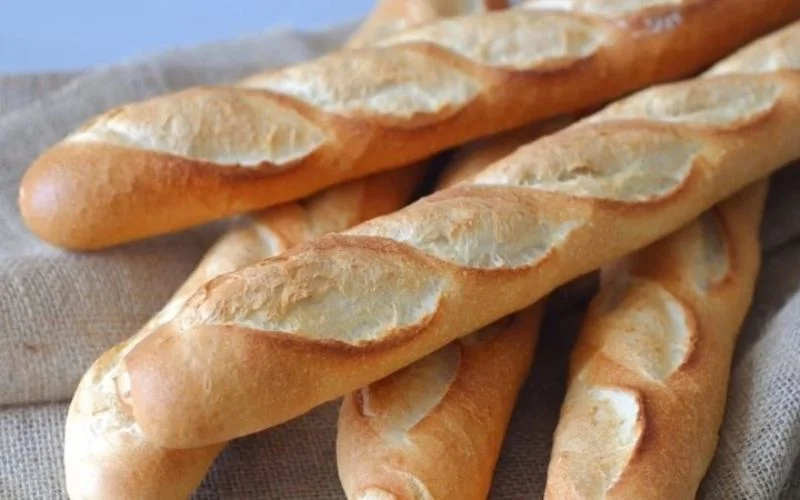
Bánh mì first appeared in Vietnam in the mid-19th century, coinciding with the presence of the French military and French nationals in Saigon after 1859.
According to research by Dr. Erica J. Peters in *Appetites and Aspirations in Vietnam* and archival materials from the National Library of France (BnF Gallica), *bánh mì* was not initially a common food among the Vietnamese people. Because wheat flour had to be imported, the bread appeared primarily in the meals of the French—including military personnel, officials, and wealthy families. Vietnamese people often referred to this bread by the familiar name “*bánh Tây*” (Western bread) (Source: Vương Hồng Sển, *Tạp Pín Lù*).
During this period, the French baguette served as the precursor to the Vietnamese *bánh mì* that would later evolve. However, the original loaves still bore the distinct characteristics of French cuisine and Western consumption habits. As the Vietnamese adopted the bread, it began to change, adapting to local ingredients, tastes, and lifestyles.
.
How did the Vietnamese people adopt *bánh mì*?
According to historical records regarding traditional trades and life in old Saigon, Vietnamese assistants and the Chinese community in Cholon—while working in French restaurants—had the opportunity to learn techniques for dough preparation, fermentation, and baking. After honing their skills, they gradually branched out to open their own artisanal bakeries, thereby bringing *bánh mì* closer to the daily lives of the Vietnamese people. (Source: Researcher Nguyễn Đình Đầu, *Cultural Geography of Ho Chi Minh City*).
A significant milestone in the origins of Vietnamese *bánh mì* was the opening of the Hòa Mã shop in 1958. According to historical records and accounts from the founding family, Hòa Mã shifted from serving bread and cold cuts separately on a plate to placing the ingredients directly inside the loaf. This approach catered to the need for quick meals and helped define the filled *bánh mì* style familiar to Vietnamese people today. (Source: Historical records of Saigon cuisine & accounts from the founding family of Bánh mì Hòa Mã). However, Hòa Mã represents just one milestone in the evolution of the filled *bánh mì* in Vietnam, as the dish took shape through a long process of cultural assimilation and culinary adaptation across various eras.
Adapting Bánh Mì to Vietnamese Tastes
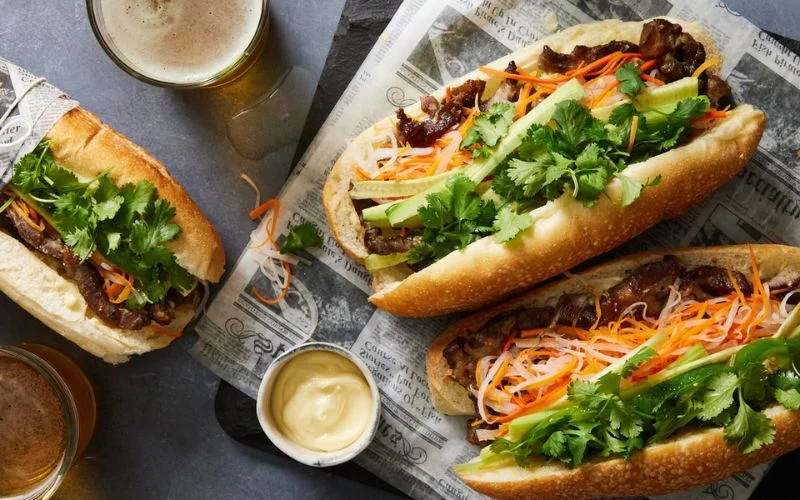
Vietnamese bánh mì is not merely a French baguette stuffed with fillings. From an imported delicacy, the Vietnamese gradually embraced, adjusted, and transformed the bread to suit local palates and lifestyles.
Modifying the Recipe and Baking Techniques
To cope with the hot and humid tropical climate that makes bread quickly turn chewy and soggy, old Saigon bakers creatively mixed rice flour with wheat flour, while also innovating baking techniques in sealed brick ovens with steam injection to maintain moisture (Source: Research on traditional Southern Vietnamese bread-making techniques). This innovation resulted in an ultra-thin, crackling-crisp crust and a light, airy, and fluffy crumb with the ideal hollow structure to hold savory fillings.
Streamlining the Loaf Size
Compared to the long, large French baguettes, Vietnamese bánh mì gradually became more compact. The loaf is handy, easy to hold, and convenient to carry on the go, perfectly suited to the fast-paced eating habits of the Vietnamese. This seemingly simple change also helped turn bread from a French-style luxury into a familiar everyday food.
Incorporating Vietnamese Ingredients into the Loaf
Along with changes in shape and texture, the fillings increasingly reflected Vietnamese flavor profiles. Pâté, pork roll (chả lụa), and cold cuts were combined with cucumber, fresh herbs, pickled vegetables, chili, and rich sauces, creating a harmonious balance of richness, savoriness, acidity, heat, and freshness. (Source: Dr. Erica J. Peters, *Appetites and Aspirations in Vietnam*).
Changing the Way It Is Enjoyed
Instead of serving bread with side dishes placed separately on a plate, the Vietnamese sliced the loaf open lengthwise and placed the fillings directly inside. This method transformed the loaf into a complete, convenient, and portable meal. (Source: Historical records of Saigon cuisine).
Bánh Mì Enters Daily Life and Becomes a Cherished Memory
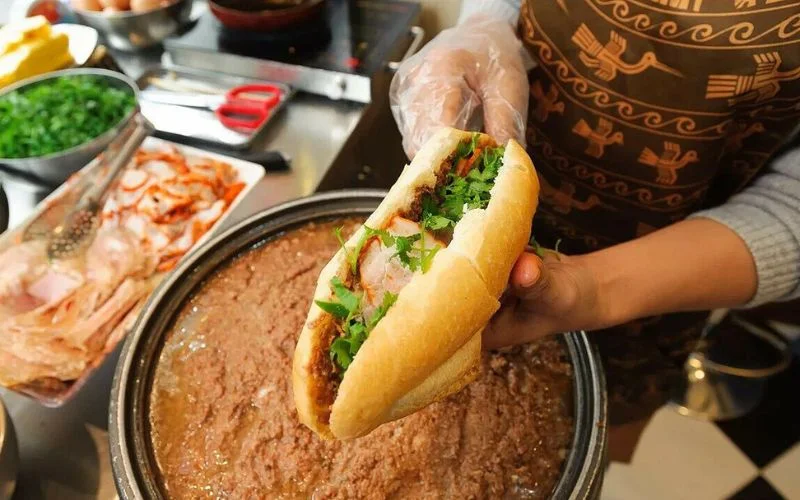
From a quick street-corner snack, bánh mì gradually became part of the everyday moments of Vietnamese life. Over time, it continued to evolve and flexibly adapt across different regions, creating distinctive variations:
- Traditional Meat Bánh Mì: Pâté, cold cuts, and Vietnamese pork ham blended with fresh herbs, pickled vegetables, and sauce, crafting the iconic flavor of Vietnamese street bánh mì.
- Fried Egg Bánh Mì: Piping hot eggs paired with pâté, butter, and sauce, reminiscent of the simple breakfasts shared by many Vietnamese people.
- Fish Cake Bánh Mì: Tender and chewy fish cakes rich with oceanic flavors, complemented by herbs and savory sauce, bringing the distinct essence of coastal regions.
- Crispy Breadsticks (Bánh Mì Que): Slender, crispy breadsticks stuffed with rich pâté and spicy chili paste, a signature culinary memory of Hai Phong.
Each version tells its own story, yet all demonstrate how deeply bánh mì has integrated into Vietnamese life. From North to South, Vietnamese people have continuously enriched the loaf with familiar local flavors, turning an imported Western food into a cherished piece of their cultural memory.
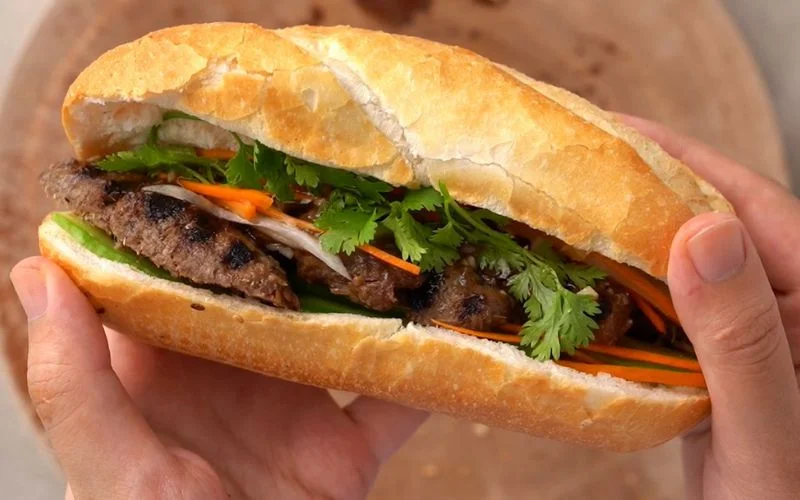
From Street Food to an Icon of Vietnamese Cuisine
From humble beginnings as street food, bánh mì gradually evolved into an iconic symbol of Vietnamese gastronomy. The synthesis of Western influences and local culinary preferences has produced a dish that is both convenient and remarkably diverse, now celebrated worldwide.
“Banh mi” Added to the Oxford English Dictionary
On March 24, 2011, the term “banh mi” was officially included in the Oxford English Dictionary (OED). According to the OED, “banh mi” refers to a Vietnamese-style baguette with a crisp crust, split lengthwise and filled with ingredients such as meat, pâté, herbs, and pickled vegetables. Preserving the native term “banh mi” rather than merely describing it as a “Vietnamese sandwich” or “Vietnamese baguette” confirms that the dish has earned its own distinct identity and global recognition.
Vietnamese Bánh Mì Gaining Global Acclaim
Vietnamese bánh mì has been widely featured across international media and culinary outlets. TasteAtlas has frequently ranked bánh mì among the world’s favorite sandwiches, while CNN Travel has highlighted it on numerous must-try street food lists.
Furthermore, the emergence of Vietnamese bánh mì shops in major global hubs such as London, New York, Paris, and Tokyo has helped bring this delicacy closer to international food lovers. From a familiar street-side staple, bánh mì has firmly established itself as one of the definitive emblems of Vietnamese cuisine.
Conclusion
We hope this article on the origins of Vietnamese bánh mì has provided you with deeper insight into the remarkable journey of this dish—from a foreign import to a beloved staple in Vietnamese life. Through time, bánh mì has been endlessly reinvented with diverse flavor combinations and continues to captivate diners around the world.
Madame Lam Restaurant
- Address: No. 10 Tran Ngoc Dien, Thu Duc City, Ho Chi Minh City
- Hotline: 070 322 6262
- Email: booking.mdl@mamamia.vn
- Website: https://madamelam.com/
- Fanpage: https://www.facebook.com/MadameLamRestaurant/
- TikTok: https://www.tiktok.com/@madamelamvn
- Tripadvisor: https://www.tripadvisor.com/Restaurant_Review-g293925-d24053236-Reviews-Madame_Lam_Vietnamese_Contemporary_Cuisine-Ho_Chi_Minh_City.html
- YouTube: https://www.youtube.com/@madamelamvn
- X: https://x.com/madamelamvn
- Tumblr: https://www.tumblr.com/madamelamvn
- Reddit: https://www.reddit.com/user/madamelamvn/
- Twitch: https://www.reddit.com/user/madamelamvn/
- LinkedIn: https://www.linkedin.com/in/madamelamvn/
- Pinterest: https://www.pinterest.com/madamelamvn/
- Flipboard: https://flipboard.com/@madamelamvn
- Scoop.it: https://www.scoop.it/u/madamelamvn
- Instapaper: https://www.instapaper.com/p/madamelamvn
- Vimeo: https://vimeo.com/madamelamvn
- Dribbble: https://dribbble.com/madamelamvn