

Vietnamese cuisine is intimately tied to the changing rhythms of nature throughout the year. From refreshing summer dishes and subtle autumn flavors to hearty, warming winter fare, seasonal cuisine in Vietnam offers a diverse culinary experience steeped in cultural tradition. Join us as we explore the signature dishes of each season below.
The “Eat What Is in Season” Culture in Vietnamese Cuisine
“Mùa nào thức nấy” (eating what is in season) is a beautiful cultural aspect of Vietnamese cuisine, reflecting the close bond between people, nature, and the seasonal calendar. Since ancient times, Vietnamese people have made the most of available ingredients in each period to create dishes tailored to the climate—preserving natural flavors while showcasing culinary artistry.
Far more than just an eating habit, seasonal Vietnamese dishes carry cultural value, customs, and family memories passed down through generations. From the festive Tết feast in spring and refreshing summer specialties to the delicate nuances of autumn foods, each season enriches the vibrant and diverse tapestry of Vietnamese gastronomy.
Spring Dishes
In Vietnamese culinary culture, spring is always associated with family gatherings and dishes that symbolize luck and abundance. During Tết (Lunar New Year), dishes such as bánh chưng (square sticky rice cake), bánh tét (cylindrical sticky rice cake), caramelized pork with eggs (thịt kho tàu), pickled scallion bulbs (dưa hành), or pickled small leeks (củ kiệu) are not merely familiar food, but timeless symbols of family tradition where generations come together.
Beyond traditional Tết fare, spring is also the season for early-harvest ingredients like bamboo shoots, mushrooms, and fresh greens in rustic home-cooked meals. The pairing of fresh, in-season produce with time-honored cooking methods creates a distinctive hallmark of Vietnamese seasonal cuisine—deeply rooted in daily life and rich in cultural meaning.
Summer Dishes in Vietnam
With the hot and humid weather, Vietnamese summer dishes are typically light, packed with fresh vegetables, and focused on refreshing ingredients. Favorites like sour fish soup (canh chua cá), fresh spring rolls (gỏi cuốn), grilled pork with vermicelli (bún thịt nướng), various fresh wraps, and chilled sweet dessert soups (chè) have become staples in many households.
Summer cuisine shines not only at home dining tables but also across Vietnam’s street food scene. From cooling bowls of chè and platters of tropical fruits to humble roadside stalls, they all shape evocative memories of a vibrant, flavorful summer.
Autumn Dishes in Vietnam
Autumn brings gentle, refined flavors that capture the spirit of seasonal transition. When thinking of Vietnamese autumn cuisine, many immediately reminisce about green sticky rice (cốm), sweet green rice sticky rice (xôi cốm), pork patties with green rice (chả cốm), green rice cakes (bánh cốm), and lotus-infused delicacies—ingredients synonymous with the graceful elegance of the season.
Hanoi’s cốm, in particular, is not just a seasonal delicacy but a story of culture and nostalgia. The delicate aroma of young green rice flakes, the sight of street vendors carrying cốm baskets across the city, and the dishes crafted from it remain unforgettable hallmarks of Vietnamese cuisine.
Winter Dishes
As the weather turns cold, Vietnamese people turn to piping-hot, hearty dishes that bring warmth to family gatherings. Classics such as phở, hot pots (lẩu), rice porridge (cháo), Vietnamese beef stew in red wine (bò sốt vang), jellied pork (thịt đông), or grilled dishes are cherished not only for their robust flavors but also for the cozy feeling of gathering together.
Among Vietnam’s seasonal fare, winter dishes evoke togetherness and treasured moments shared over steaming food. A boiling hot pot or a fragrant bowl of phở on a chilly day warms the body and deepens the bond between loved ones.
Notable Regional Seasonal Dishes of Vietnam
Beyond seasonal weather changes, Vietnamese seasonal dishes bear the distinct signature of each region. Every locality utilizes its seasonal produce to create dishes deeply tied to the culture, lifestyle, and heritage of its people.
Northern Vietnam
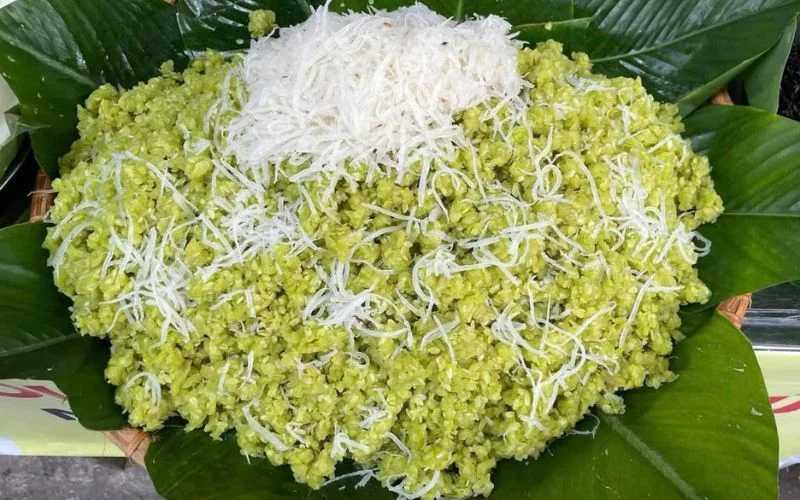
Vòng Village Green Sticky Rice / Cốm Làng Vòng (Autumn)
Cốm làng Vòng is the quintessential autumn gift of Hanoi, celebrated through images of fresh green rice wrapped delicately in fragrant lotus leaves. Handcrafted through many meticulous steps from young sticky rice grains, cốm carries the subtle, sweet essence of nature and stands as a symbol of Hanoi’s refined culinary art. In addition to being enjoyed on its own, cốm is crafted into treats like xôi cốm, chả cốm, and chè cốm.
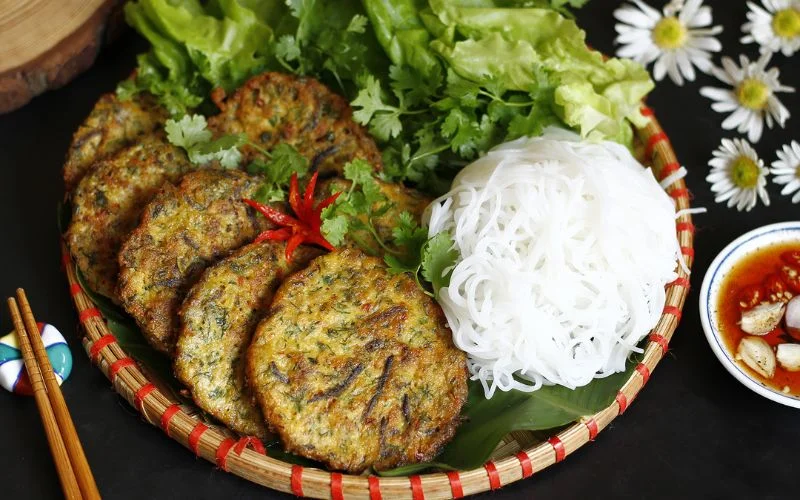
Sandworm Omelet / Chả Rươi (Late Autumn – Early Winter)
Chả rươi is a unique Northern delicacy because sandworms only emerge during a very brief period each year. When the sandworm season arrives, locals in provinces like Hai Duong and Hai Phong prepare this specialty using sandworms, eggs, minced pork, dried tangerine peel, and fresh dill. The rich, savory taste combined with aromatic herbs creates an autumn-winter delicacy eagerly anticipated year after year.
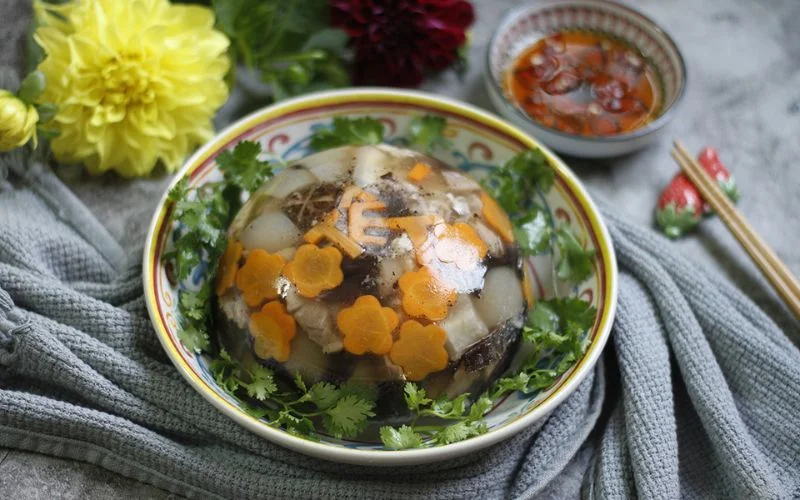
Jellied Meat / Thịt Đông (Winter)
Thịt đông is a classic Northern winter dish, especially prominent on the Tết holiday table. Prepared with pork, wood ear mushrooms, and shiitake mushrooms, it is simmered and then allowed to set naturally in the brisk winter air, forming a translucent, savory jelly with tender meat. When paired with pickled scallions, the gentle acidity balances the richness, defining Northern winter comfort food.
Central Vietnam
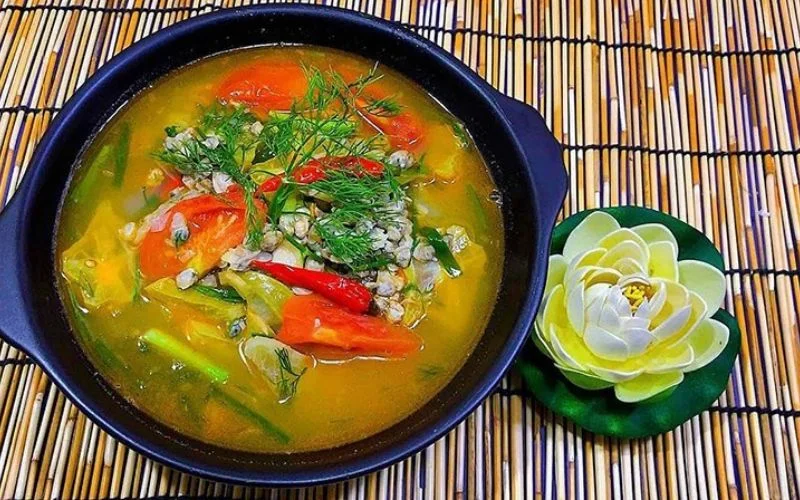
Sour Baby Clam Soup / Canh Hến Nấu Chua (Summer)
During hot summer days, sour baby clam soup is a rustic favorite among Central Vietnamese families. Fresh baby clams are simmered with sour starfruit, tomatoes, and aromatic herbs, creating a light, sweet, and tangy broth that helps beat the heat. This simple dish reflects the ingenuity of Central Vietnamese people in utilizing natural gifts to elevate everyday meals.
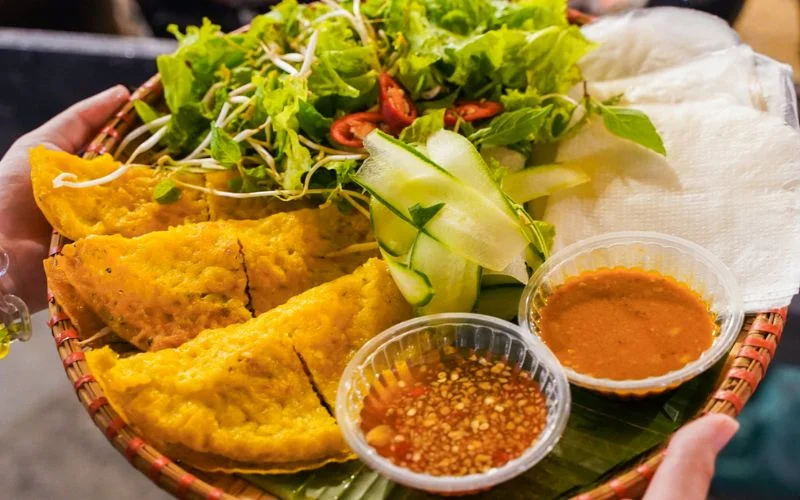
Central-Style Crispy Pancakes / Bánh Xèo Miền Trung (Rainy Season – Winter)
During prolonged rainy spells or cold days, Central-style bánh xèo becomes a go-to dish for cozy family gatherings. Unlike larger versions found elsewhere, Central bánh xèo are smaller, with a crunchy golden crust and a savory shrimp-and-pork filling, served with fresh herbs and regional dipping sauces. Gathering around the sizzling stove to savor hot pancakes is a heartwarming tradition in this region.
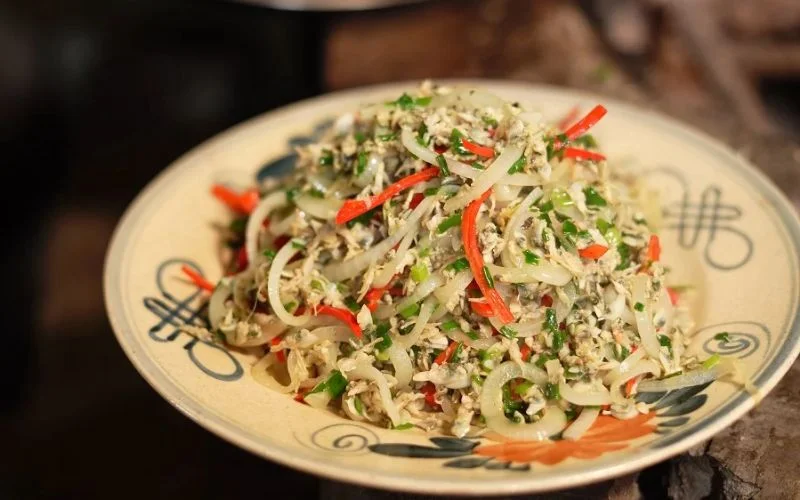
Quảng Ngãi River Clams / Don Quảng Ngãi (Summer)
Don is a signature specialty of Quảng Ngãi province, made from tiny bivalve mollusks native to local river estuaries. During the don season, locals prepare a naturally sweet, clear broth served with tiny clam meat, fried shallots, and crispy grilled rice paper. Unpretentious in its ingredients, this dish carries the rich essence of home and remains a great pride of the local people.
Southern Vietnam
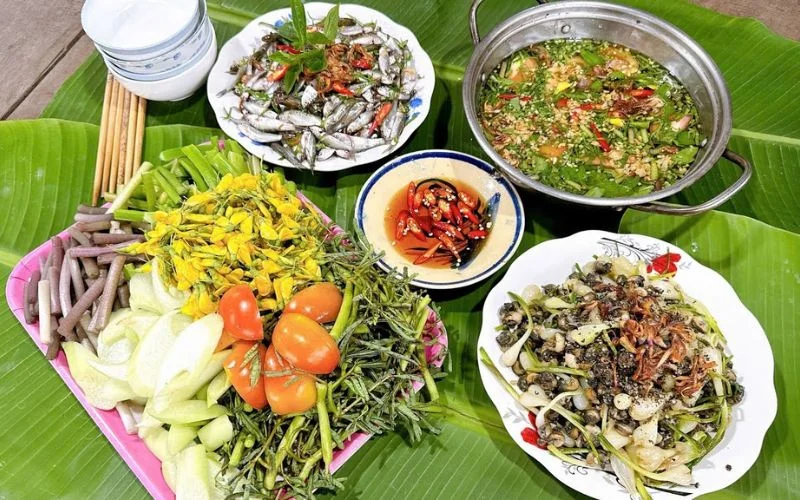
Siamese Mud Carp & Sesbania Flower Hot Pot / Lẩu Cá Linh Bông Điên Điển (Flooding Season)
When speaking of Mekong Delta cuisine during the annual floating season, one cannot miss cá linh and sesbania flower hot pot. As the seasonal floodwaters arrive, young cá linh fish proliferate and pair with the brilliant yellow sesbania flowers (bông điên điển) to produce an iconic broth that defines the waterways. Beyond being a delectable dish, it reflects the Delta people’s way of living in harmony with nature.
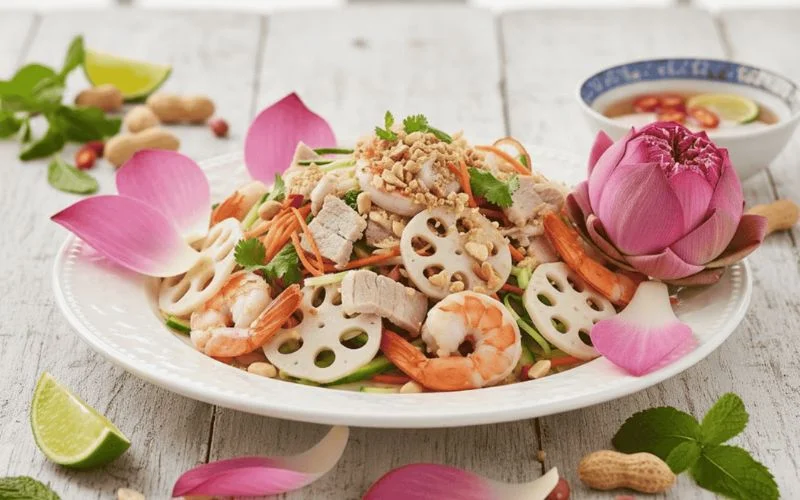
Lotus Stem Salad with Shrimp and Pork / Gỏi Ngó Sen Tôm Thịt (Summer)
Lotus stem salad with shrimp and pork is a summer staple thanks to its crisp texture and refreshing taste. Lotus shoots harvested during peak lotus season are tossed with shrimp, tender pork, and a sweet-and-sour dressing, striking a delicate balance of crunchy, sweet, and tangy notes. It exemplifies the Southern culinary art of harmonizing fresh textures and flavors.
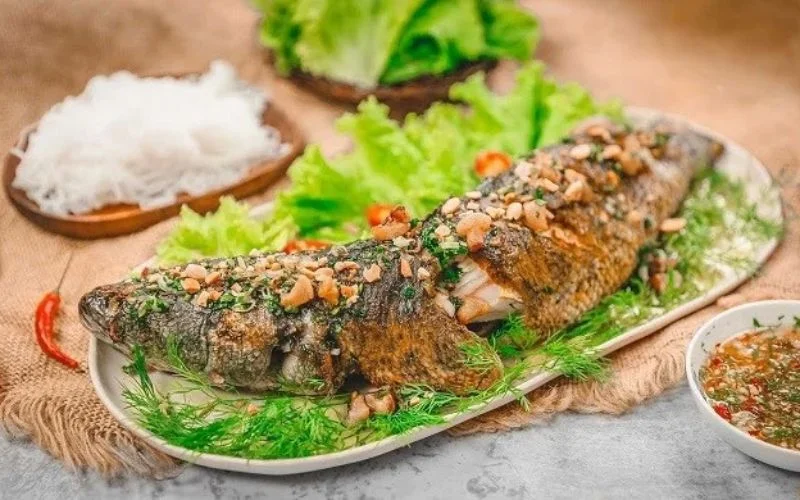
Straw-Grilled Snakehead Fish / Cá Lóc Nướng Trui (Dry Season)
Straw-grilled snakehead fish is an iconic rustic dish intimately connected to life in the Mekong Delta. During the dry season, when the receding waters leave abundant fresh river fish, locals grill whole snakehead fish over dry rice straw to lock in all natural juices and sweetness. Once cooked, the tender fish is wrapped in fresh herbs and rice paper, then dipped into tangy tamarind fish sauce—creating a rustic, unforgettable flavor.
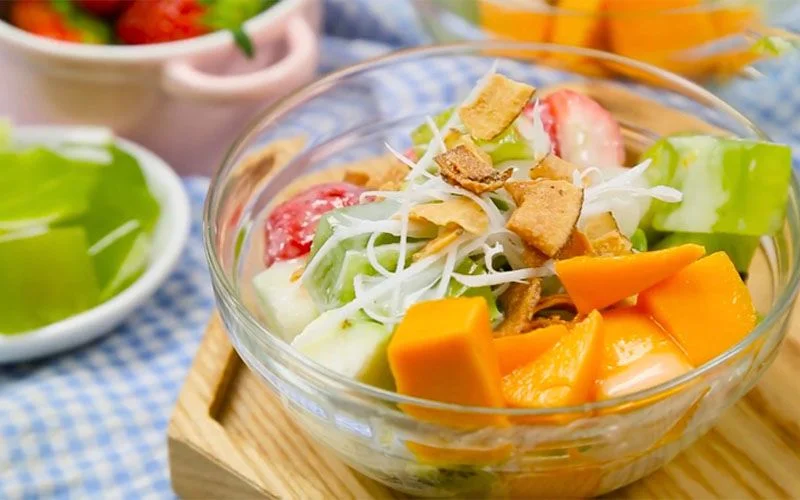
Mekong Delta Fruit Delicacies (Summer – Autumn)
The Mekong Delta is widely known as a land of lush orchards bearing abundant seasonal fruits such as durian, rambutan, mangosteen, longan, and mango. During harvest season, these fruits are enjoyed fresh and transformed into delicious sweet soups (chè), smoothies, ice cream, and desserts, further enriching the bounty of Southern cuisine.
Why Is Seasonal Vietnamese Food Always Beloved?
Beyond capturing the distinctive flavors of each time of year, seasonal food in Vietnam is cherished for its close ties to culture, nature, and family life. These dishes evoke a sense of warmth and familiarity thanks to fresh, peak-season ingredients.
- Fresh, natural flavors: Seasonal ingredients in Vietnam boast peak freshness and flourish naturally in the local climate, preserving their authentic taste.
- Deeply rooted in traditional culture: Many specialties—such as bánh chưng, cốm, thịt đông, or floating season delicacies—carry the unique stories and folklore of their respective regions.
- Showcasing culinary diversity: Each season introduces distinct dishes, ranging from light, refreshing summer specialties to delicate autumn creations, weaving a colorful gastronomic landscape.
- Fostering connection and nostalgia: Seasonal dishes regularly grace family dinner tables, festive celebrations, and reunions, forging lasting memories.
Conclusion
Vietnam’s seasonal cuisine not only delights with exquisite flavors but also preserves rich cultural stories and the lifestyle of the Vietnamese people. Each specialty corresponds to a specific time, place, and native ingredient. Visit Madame Lam to experience traditional Vietnamese flavors crafted with refined elegance in a sophisticated, welcoming ambiance.
Madame Lam Restaurant
- Address: No. 10 Tran Ngoc Dien, Thu Duc City, Ho Chi Minh City
- Hotline: 070 322 6262
- Email: booking.mdl@mamamia.vn
- Website: https://madamelam.com/
- Fanpage: https://www.facebook.com/MadameLamRestaurant/
- TikTok: https://www.tiktok.com/@madamelamvn
- Tripadvisor: https://www.tripadvisor.com/Restaurant_Review-g293925-d24053236-Reviews-Madame_Lam_Vietnamese_Contemporary_Cuisine-Ho_Chi_Minh_City.html
- YouTube: https://www.youtube.com/@madamelamvn
- X: https://x.com/madamelamvn
- Tumblr: https://www.tumblr.com/madamelamvn
- Reddit: https://www.reddit.com/user/madamelamvn/
- Twitch: https://www.reddit.com/user/madamelamvn/
- LinkedIn: https://www.linkedin.com/in/madamelamvn/
- Pinterest: https://www.pinterest.com/madamelamvn/
- Flipboard: https://flipboard.com/@madamelamvn
- Scoop.it: https://www.scoop.it/u/madamelamvn
- Instapaper: https://www.instapaper.com/p/madamelamvn
- Vimeo: https://vimeo.com/madamelamvn
- Dribbble: https://dribbble.com/madamelamvn