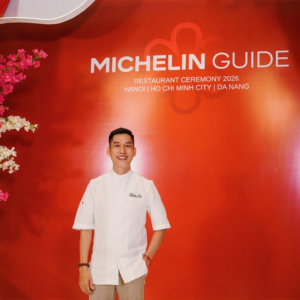


Vietnamese cuisine across the three regions is a harmonious blend of culture, history, and distinct local flavors. From the delicate subtlety of the North and the rich boldness of the Central region to the generous, vibrant spirit of the South, every dish carries its own unique identity. Join Madame Lam to explore the culinary essence of Vietnam’s three regions and unique dining experiences in the article below.
Why Is Vietnamese Regional Cuisine So Diverse and Rich in Identity?
Vietnamese cuisine across the three regions boasts distinct flavors yet remains united within the national identity. This diversity is shaped by various natural, historical, and cultural factors, creating an exquisite culinary heritage celebrated both domestically and internationally.
- Diverse Natural Conditions: Each region has its own climate, topography, and native ingredients, fostering distinct culinary styles and flavor profiles.
- Historical and Cultural Imprints: Historical development, cultural intersections, and different eras have contributed to the unique culinary character of Vietnam’s three regions.
- Regional Customs and Traditions: Local eating habits and ways of life influence how ingredients are chosen, seasoned, and enjoyed.
- Abundant Ingredients: A wide variety of produce—from the deltas and mountains to the coastal areas—keeps the nation’s cuisine vibrant and diverse.
- Culinary Creativity: The Vietnamese people continuously preserve and evolve traditional recipes, creating dishes that feel both comfortably familiar and distinctively regional.
Characteristics of Northern Vietnamese Cuisine
Rooted in a land rich with cultural traditions, Northern cuisine often embodies an elegant, delicate charm that highlights balance and harmony. Dishes tend to be moderately seasoned, light, and subtle—neither overly spicy nor sweet—thereby preserving the natural flavors of the ingredients.
Characteristics of Central Vietnamese Cuisine
Influenced by challenging natural elements and the legacy of Hue’s royal court gastronomy, Central Vietnamese cuisine is renowned for its bold, spicy, and deeply savory flavors, paired with meticulous preparation. Each dish captivates not only with its taste but also with the cultural heritage of the locality.
Characteristics of Southern Vietnamese Cuisine
Blessed with fertile soils and abundant waterways, Southern cuisine is characterized by a generous, open, and vibrant style. Southern dishes often lean toward sweet, savory, and rich flavors, making the most of fresh riverine and orchard produce to reflect the hospitable, easygoing spirit of the local people.
Signature Dishes Representing Vietnam’s Three Regions
Vietnam’s three culinary regions are celebrated for distinct specialties that showcase the essence and identity of each area. Below are the iconic dishes that make Vietnamese cuisine so captivating:
Top Iconic Northern Dishes
Northern cuisine carries the refined heritage of the ancient capital, characterized by subtlety and balance. Each dish reflects grace and tradition, adding a distinct touch to Vietnam’s culinary map.
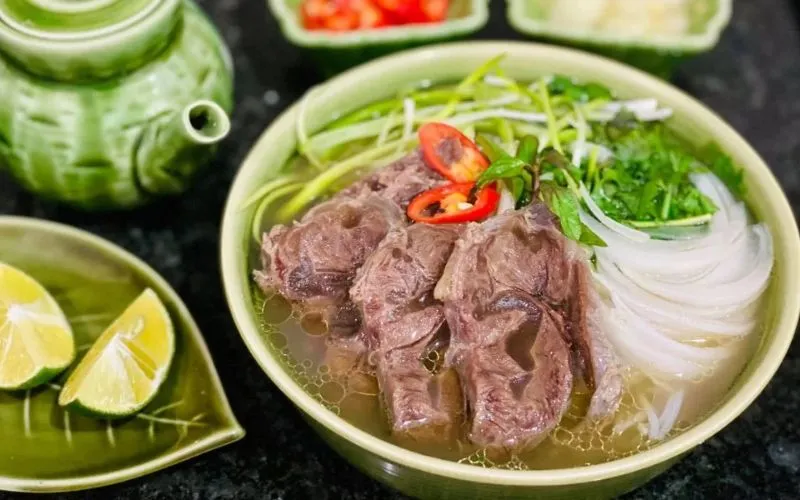
Phở
Originating and gaining widespread popularity in the early 20th century, phở is deeply intertwined with the food culture of Hanoi and Nam Dinh, eventually becoming Vietnam’s national dish. Northern phở is distinguished by its clear, subtly sweet bone broth, tender flat rice noodles, slices of beef or chicken, and fresh aromatic herbs, creating an exquisite and balanced harmony.
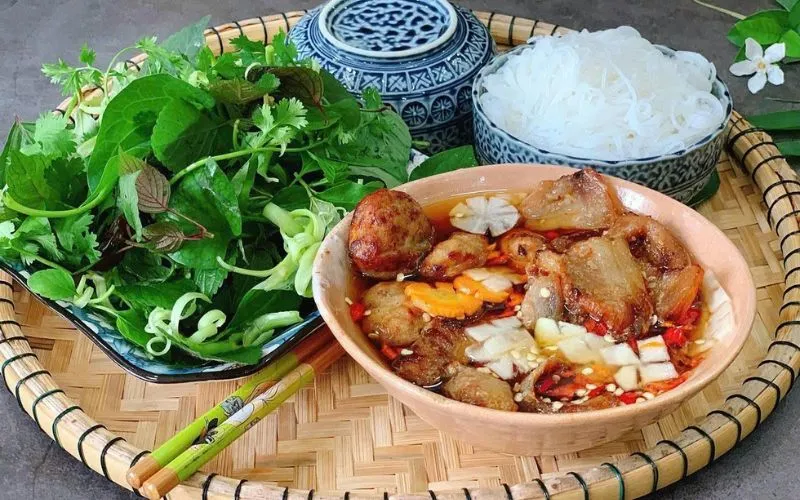
Bún Chả
A staple of daily life in Hanoi, bún chả captures the simple yet sophisticated essence of Northern cuisine. The dish consists of fragrant charcoal-grilled pork patties and pork belly, served with soft rice vermicelli and a dipping sauce balanced with sweet, sour, salty, and spicy notes.
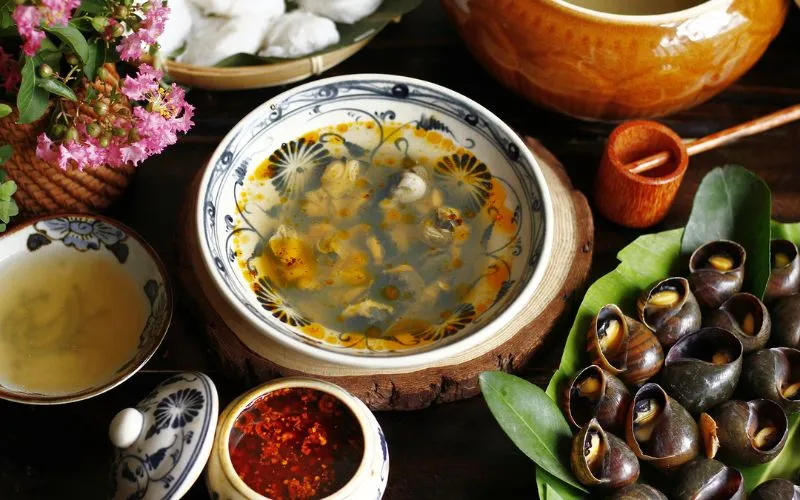
Bún Ốc Nguội (Cold Snail Vermicelli)
A long-standing traditional Hanoi delicacy, bún ốc nguội impresses diners with its unique way of serving and refreshing taste. The combination of crunchy snails, a light, tangy, and flavorful dipping broth, and delicate rice vermicelli showcases the understated elegance of Northern gastronomy.
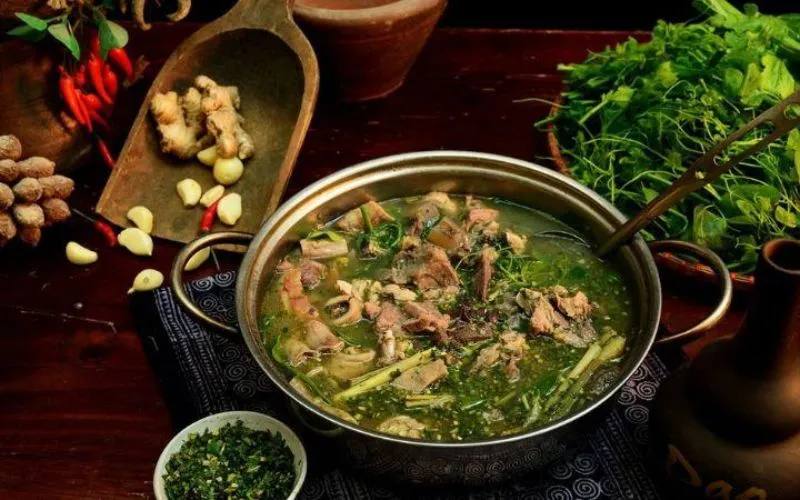
Thắng Cố
A traditional specialty of the northern highland ethnic groups, particularly the H’mong, thắng cố is an essential part of highland markets and communal gatherings. The dish stands out for its bold, rustic aroma seasoned with mountain herbs and spices, highlighting the cultural richness of Vietnam’s diverse culinary tapestry.
Top Iconic Central Dishes
Central Vietnamese cuisine is deeply connected to a sun-drenched, windswept land, reflecting the ingenuity and finesse of its people. Every dish features bold flavors and meticulous cooking techniques, carving out a remarkable identity.
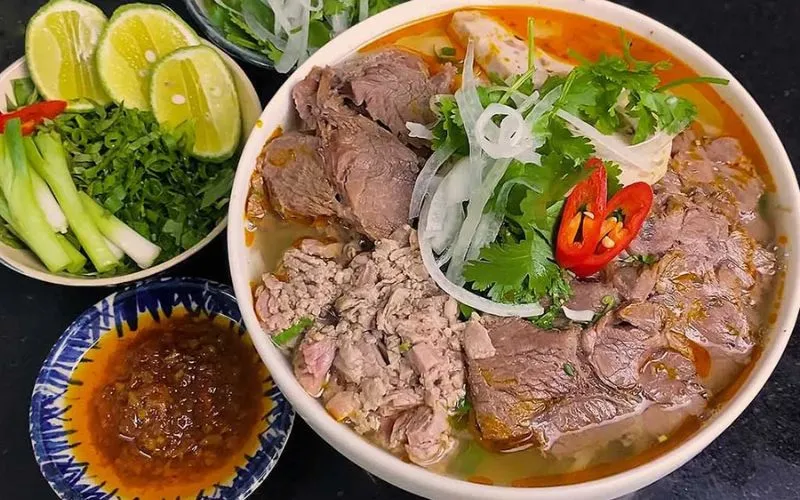
Bún Bò Huế (Hue Spicy Beef Noodle Soup)
As the signature dish of the imperial capital of Hue, bún bò Huế embodies royal culinary sophistication with an unforgettable flavor profile. Rich beef and pork broth simmered with lemongrass, fermented shrimp paste (mắm ruốc), and chili oil creates a bold, spicy depth, paired with thick vermicelli noodles, tender beef, and fresh herbs.
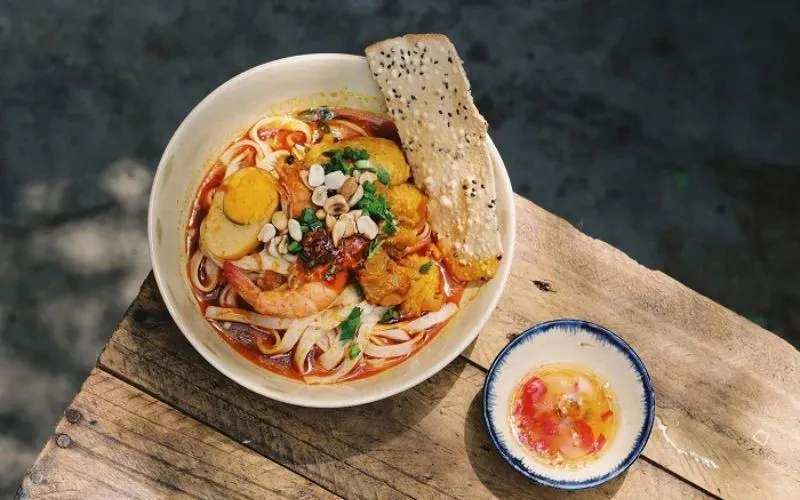
Mì Quảng
Closely woven into the daily life of Quang Nam, Mì Quảng is a rustic noodle dish prepared from humble local ingredients yet full of distinctive character. Wide rice noodles bathed in a shallow layer of concentrated savory broth, topped with shrimp, pork, quail eggs, roasted peanuts, and fresh local greens, create an extraordinary balance.
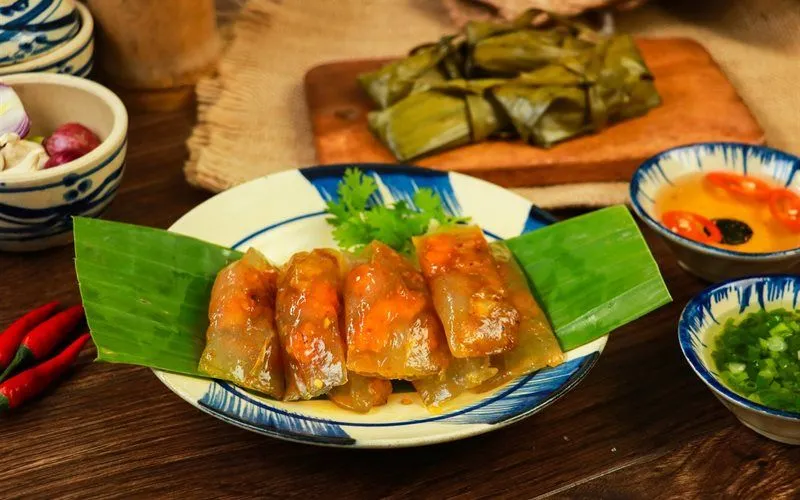
Bánh Bột Lọc (Clear Tapioca Dumplings)
Bánh bột lọc is a cherished treat from Hue, closely tied to home cooking and the delicate artistry of Central Vietnamese women. Its chewy, translucent tapioca skin reveals a savory shrimp and pork filling, creating a small dumpling packed with the refined essence of imperial cuisine.
Top Iconic Southern Dishes
Southern cuisine is blessed by fertile river deltas, known for rustic, diverse dishes that reflect the generous, welcoming, and vibrant character of the people.
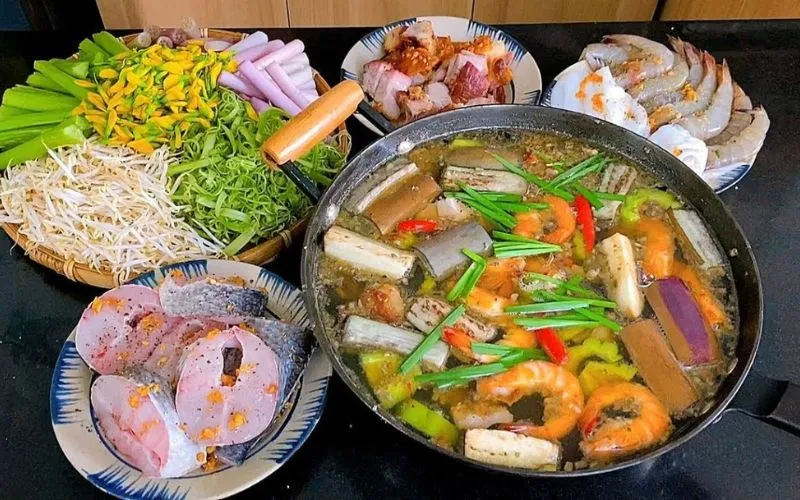
Lẩu Mắm (Fermented Fish Hotpot)
Rooted in the Mekong Delta, lẩu mắm is intimately tied to river life. The rich combination of fermented fish broth, fresh river seafood, pork, and an array of indigenous wild water vegetables creates a robust, deeply savory, and unforgettable flavor that epitomizes Southern culinary tradition.
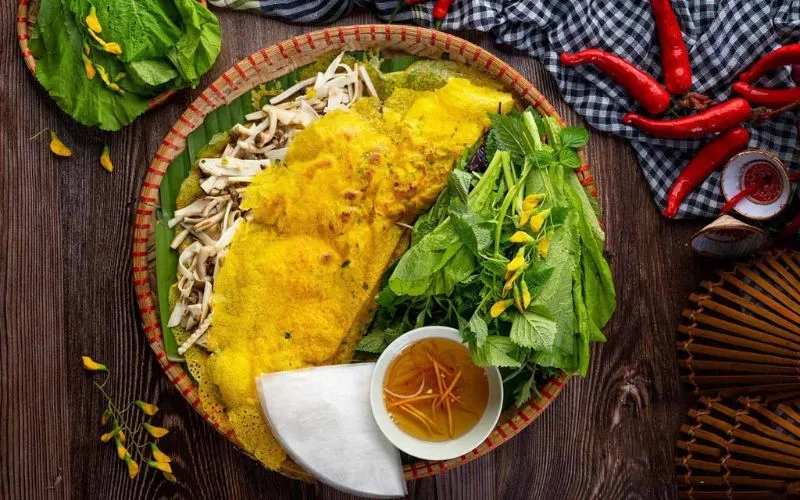
Mekong Delta Bánh Xèo (Crispy Sizzling Pancake)
A familiar presence at family gatherings, Western-style bánh xèo tells a story of culinary skill and warm Southern hospitality. Its golden, crispy edge encases a filling of pork, shrimp, and bean sprouts, wrapped in fragrant herbs and dipped in sweet-savory fish sauce.
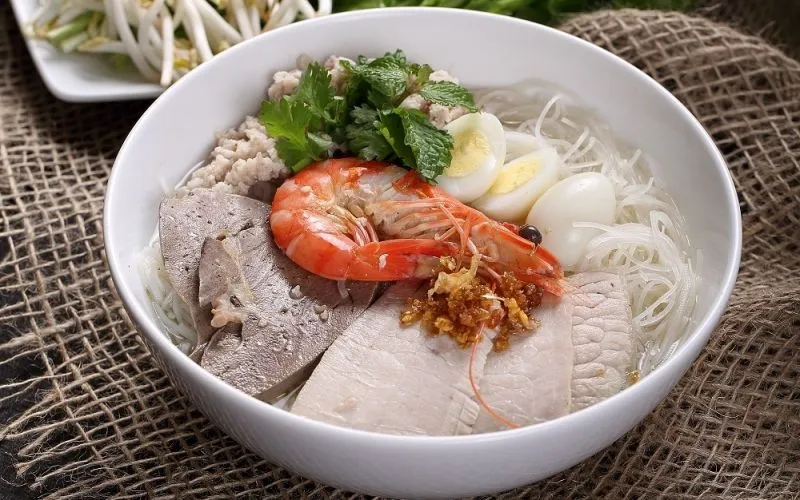
Hủ Tiếu
Entwined with urban life and cultural exchange in Southern Vietnam, hủ tiếu reflects the versatile, multicultural character of regional cuisine. Springy, chewy noodles served in a sweet, clear pork broth with shrimp, pork, offal, and fresh herbs have made it an enduring comfort dish loved across generations.
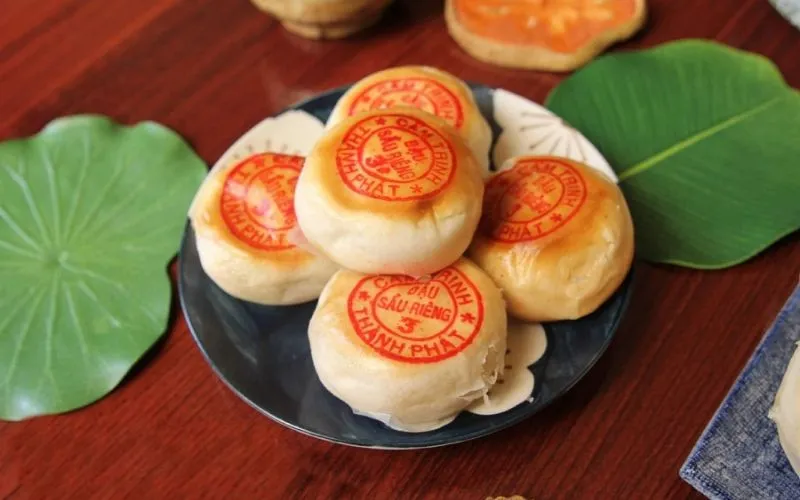
Bánh Pía Sóc Trăng
A renowned specialty of Soc Trang, bánh pía reflects the multicultural heritage of the Southwestern Delta. Its delicate flaky pastry layers embrace a luscious filling of mung bean, durian, and salted egg yolk, creating a fragrant, rich taste that has become an iconic gift from the region.
Savor the Essence of Vietnamese Regional Cuisine at Madame Lam
Madame Lam is a contemporary Vietnamese restaurant that brings a fresh perspective to traditional culinary values. By harmonizing authentic regional flavors with modern culinary techniques and refined plating, Madame Lam reimagines classic dishes through a contemporary lens while preserving their soulful heritage.
At Madame Lam, every dish is not merely a gastronomic treat but a journey through the cultural stories and people across Vietnam’s regions. With a focus on local ingredients and contemporary presentation, the restaurant delivers an exquisite, heartfelt culinary journey through the three regions of Vietnam.
Conclusion
Vietnamese cuisine across the three regions is not just an ensemble of remarkable dishes; it is a living narrative of culture, people, and land through distinct flavors. Visit Madame Lam to experience contemporary Vietnamese creations inspired by timeless culinary heritage, promising a refined and memorable dining experience.
Madame Lam Restaurant
- Address: No. 10 Tran Ngoc Dien, Thu Duc City, Ho Chi Minh City
- Hotline: 070 322 6262
- Email: booking.mdl@mamamia.vn
- Website: https://madamelam.com/
- Fanpage: https://www.facebook.com/MadameLamRestaurant/
- TikTok: https://www.tiktok.com/@madamelamvn
- Tripadvisor: https://www.tripadvisor.com/Restaurant_Review-g293925-d24053236-Reviews-Madame_Lam_Vietnamese_Contemporary_Cuisine-Ho_Chi_Minh_City.html
- YouTube: https://www.youtube.com/@madamelamvn
- X: https://x.com/madamelamvn
- Tumblr: https://www.tumblr.com/madamelamvn
- Reddit: https://www.reddit.com/user/madamelamvn/
- Twitch: https://www.reddit.com/user/madamelamvn/
- LinkedIn: https://www.linkedin.com/in/madamelamvn/
- Pinterest: https://www.pinterest.com/madamelamvn/
- Flipboard: https://flipboard.com/@madamelamvn
- Scoop.it: https://www.scoop.it/u/madamelamvn
- Instapaper: https://www.instapaper.com/p/madamelamvn
- Vimeo: https://vimeo.com/madamelamvn
- Dribbble: https://dribbble.com/madamelamvn