

The 5 world records of Vietnamese cuisine stand as testament to the diversity, creativity, and unique identity of our country’s culinary heritage. Beyond making an impression with globally renowned dishes, Vietnam has also been recognized with multiple records for its rich ingredients and preparation methods. Join Madame Lam in exploring the 5 world records of Vietnamese cuisine and the distinctive hallmarks that have elevated Vietnamese culinary culture on the international stage.
The Significance of Vietnamese Culinary Records
The 5 world records of Vietnamese cuisine are not only a source of national pride but also contribute to affirming the global standing of Vietnam’s world-famous cuisine. These records reflect the immense variety of ingredients, culinary techniques, and cultural traditions preserved across generations.
- Affirming Vietnamese cultural identity: Each record showcases the distinct hallmarks of Vietnamese gastronomy—from flavors and ingredients to dining styles.
- Promoting Vietnam’s image globally: These culinary world records help international friends gain a deeper understanding of our identity-rich culinary culture.
- Boosting culinary tourism: The records serve as a major attraction for travelers eager to discover and experience authentic traditional delicacies.
- Preserving and promoting traditional heritage: Official recognition creates powerful motivation to safeguard time-honored recipes, culinary techniques, and food customs.
- Elevating Vietnamese cuisine on the world map: This serves as a springboard for more Vietnamese dishes to be honored and widely embraced across the globe.
5 World Records of Vietnamese Cuisine
The culinary world records announced by the World Records Union (WorldKings) have helped solidify Vietnam’s distinctive gastronomic identity internationally. Below are the 5 representative records that have contributed to making Vietnamese cuisine world-renowned and a proud symbol for the Vietnamese people.
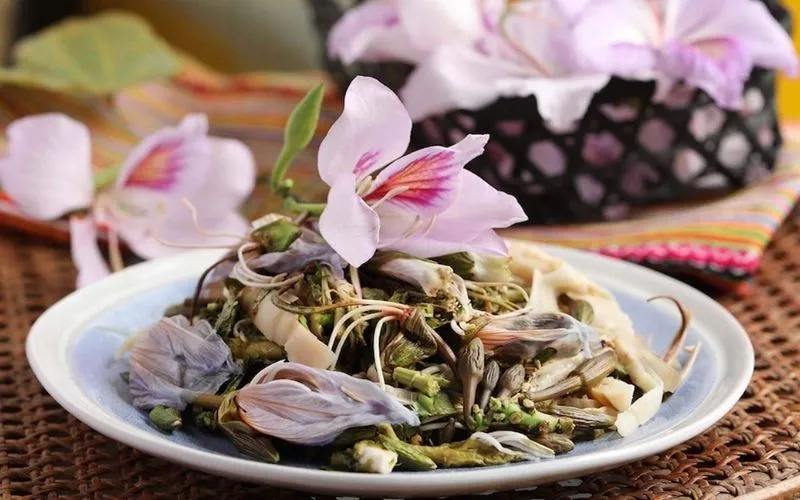
The country with the most noodle-and-broth dishes in the world
Recognized by the World Records Union (WorldKings) in 2020, Vietnam was recorded—as of the time the title was established—as the country possessing 164 noodle-and-broth dishes, showcasing the culinary richness that spans from North to South. Each region features its own approach to selecting ingredients, handcrafting noodles, and simmering broth, giving rise to distinct Vietnamese flavors. This is also one of the culinary records highlighting the sheer finesse of Vietnamese cooking arts.
Notable dishes include pho, Hue beef noodle soup (bún bò Huế), Quang-style noodles (mì Quảng), cao lầu, kuy teav (hủ tiếu), thick noodle soup (bánh canh), and crab noodle soup (bún riêu). Each specialty carries its own regional footprint, bringing Vietnamese cuisine to international prominence and becoming a perennial favorite among diners worldwide.
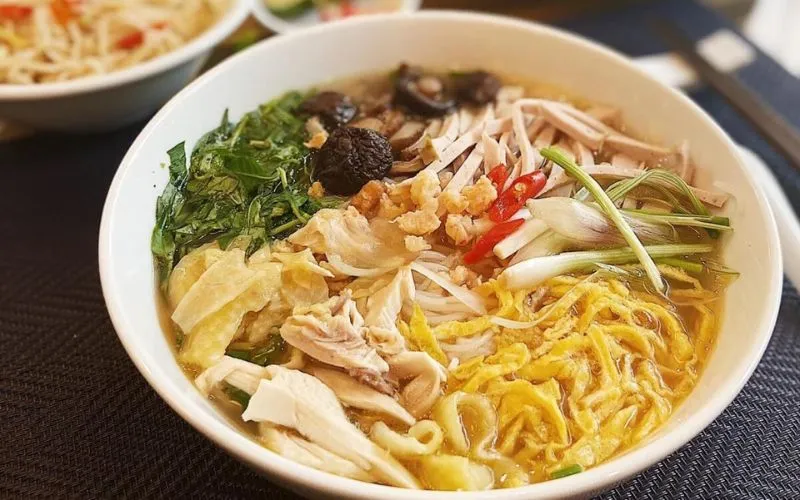
The country with the most varieties of fermented sauces (mắm) and dishes made with mắm
One of the hallmarks of Vietnamese gastronomy is its diverse selection of fermented sauces (mắm). According to WorldKings, as of the time the record was established, Vietnam had over 100 varieties of mắm and mắm-based dishes, with the list continuously expanding. From coastal shores to river deltas, every locality boasts its own fermented sauces with unique flavor profiles, helping forge an unmistakable culinary identity.
Staple varieties such as fish sauce (nước mắm), fermented shrimp paste (mắm tôm), seasoned fish dipping sauce (mắm nêm), fermented paste (mắm ruốc), fermented sesarmid crab (mắm ba khía), and fermented Siamese mud carp (mắm cá linh) are featured in iconic dishes like fried tofu with fermented shrimp paste noodles (bún đậu mắm tôm), fermented fish noodle soup (bún mắm), mắm hotpot, and myriad traditional dipping sauces. This world record illustrates the Vietnamese people’s ingenuity in food preservation and culinary craft.
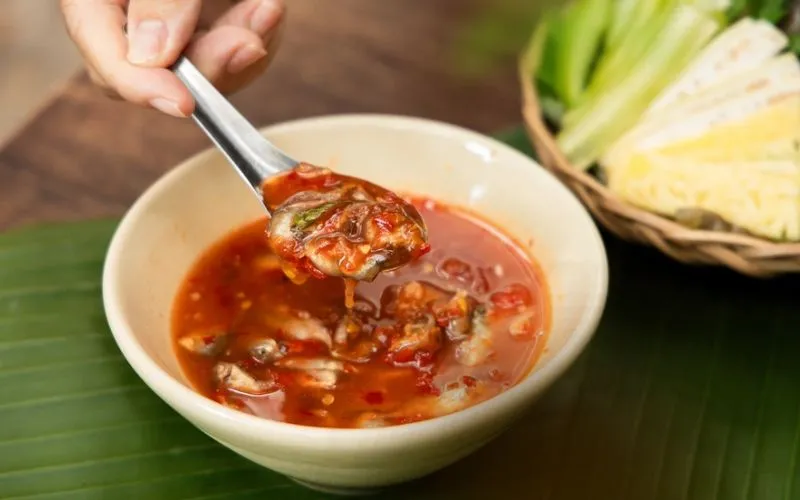
The country with the most dishes made from edible flowers
Vietnam was recognized by WorldKings—as of the time the record was established—for having 272 dishes crafted from 43 different species of edible flowers, demonstrating remarkable creativity in utilizing natural flora. Beyond offering vibrant, appetizing colors, many edible blossoms deliver characteristic fragrances and high nutritional value, enriching the tapestry of Vietnamese culinary culture.
From banana blossoms, sesbania flowers (bông điên điển), tonkin jasmine (hoa thiên lý), and pumpkin blossoms to white orchid tree flowers (hoa ban) and water hyacinth flowers, Vietnamese cooks have created an array of delectable salads, soups, hotpots, and stir-fries. This intimacy with nature forms a defining trait of Vietnamese cuisine, leaving a lasting impression on international friends.
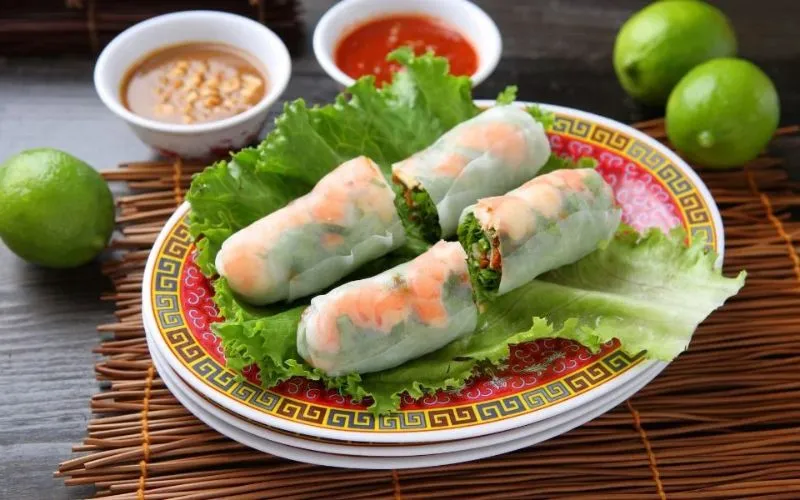
The country with the most roll dishes (món cuốn) in the world
As of the time the record was set, Vietnam boasted 103 roll dishes featuring an extraordinary diversity of ingredients and dining customs. Ranging from casual street food to regional delicacies, Vietnamese rolls artfully harmonize wrappers, fresh herbs, meat or seafood, and savory dipping sauces, delivering crisp, refreshing, and balanced flavors.
Familiar staples such as fresh summer rolls (gỏi cuốn), rolled pho (phở cuốn), rice paper rolls with pork, grilled pork skewers (nem nướng), or crispy Vietnamese pancakes (bánh xèo) rolled with greens have captured the hearts of countless international travelers. As one of Vietnam’s 5 culinary world records, it reflects the culture of eating abundant fresh herbs and vegetables along with the Vietnamese people’s artful flavor pairing.
The country with the most dishes made from rice flour in the world
As a nation rooted in ancient wet-rice civilization, Vietnam was recorded by WorldKings—at the time of the record’s establishment—as having 143 types of cakes and specialties crafted from rice flour. Originating from this humble, ubiquitous staple, the Vietnamese people have innovated hundreds of dishes using varied techniques—steaming, boiling, deep-frying, baking, and griddling—creating an extraordinary breadth of culinary expression.
Signature dishes such as steamed rice rolls (bánh cuốn), water fern cakes (bánh bèo), flat rice dumplings (bánh nậm), savory rice cakes (bánh đúc), pyramid rice dumplings (bánh giò), fine rice vermicelli cakes (bánh hỏi), and rice paper (bánh tráng) each carry the distinctive spirit of their home regions. This record underlines traditional culinary ingenuity and testifies to the irresistible appeal of Vietnamese gastronomy globally.
Distinctive Hallmarks of Vietnamese Cuisine
Beyond its remarkable variety, Vietnamese cuisine stands out through harmonious ingredient pairings, meticulous cooking techniques, and cultural heritage passed down over generations. These cornerstones shape its distinct identity, making Vietnamese food renowned worldwide and cherished by food lovers everywhere.
Regional diversity of fresh ingredients
Blessed with fertile plains, mountains, highlands, and an expansive coastline, Vietnam enjoys a year-round bounty of fresh ingredients. Each region possesses its own indigenous specialties—from seafood, vegetables, and aromatic herbs to tropical fruits—giving every dish a singular, authentic flavor profile that is impossible to replicate.
Time-honored culinary techniques across generations
Numerous traditional Vietnamese delicacies have been preserved through closely guarded family recipes and meticulous culinary techniques. From slow-simmering clear broths and delicate dough wrapping to barrel-fermenting mắm and balancing delicate seasonings, every step highlights craftsmanship and wisdom passed down through generations.
Dining customs intertwined with nature and seasonal rhythms
Vietnamese dining culture emphasizes seasonal produce to ensure peak freshness and wholesome nutrition. Many dishes are tied to specific seasons, festivals, or Tet celebrations, reflecting humanity’s harmony with nature and the enduring beauty of traditional culinary heritage.
A balance between vibrant flavors and nutrition
A key reason behind the worldwide popularity of Vietnamese food is its delicate equilibrium of sour, spicy, salty, sweet, and bitter notes. Furthermore, incorporating a generous amount of leafy greens, aromatic herbs, lean meats, seafood, and healthy starches ensures meals are not only flavorful but also well-balanced and nutritious.
Signature Dishes Putting Vietnamese Cuisine on the Global Map
Celebrated for distinct flavor profiles, wholesome ingredients, and refined preparation, the dishes below have earned spots on prestigious international culinary rankings, winning praise from chefs, food critics, and travelers worldwide.
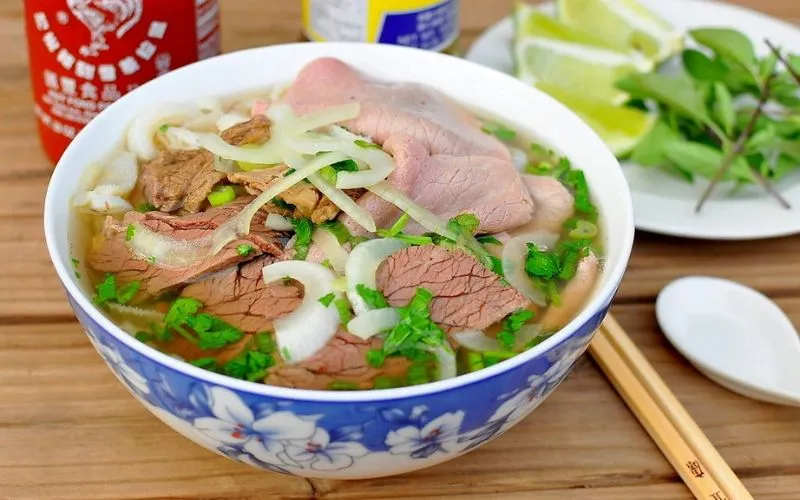
Pho
Pho is regarded as the quintessential ambassador of world-famous Vietnamese cuisine. The dish captivates diners with its clear, naturally sweet bone broth, tender flat rice noodles, and a fragrant medley of fresh herbs.
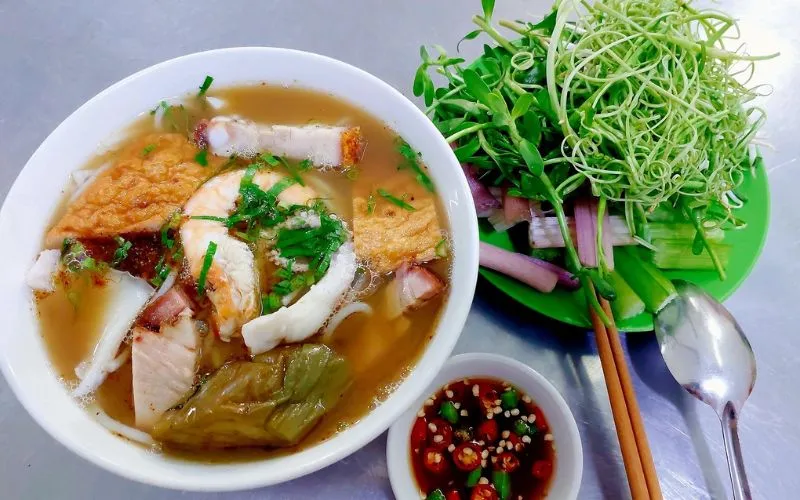
Bún mắm (Fermented Fish Noodle Soup)
Bún mắm is a prime dish representing Vietnam’s world record for having more than 100 varieties of mắm and mắm-based specialties. Deeply tied to the Southwestern Mekong Delta, it is famous for its rich broth simmered with fermented Siamese mud carp (mắm cá linh), snakeskin gourami (mắm cá sặc), or other fermented fish varieties, served with shrimp, squid, fish fillets, crispy roast pork, and indigenous greens like water lily stems, shredded water spinach, and bean sprouts. The robust yet well-rounded flavors of bún mắm not only highlight culinary craftsmanship but also help promote Vietnamese culinary arts to the world.
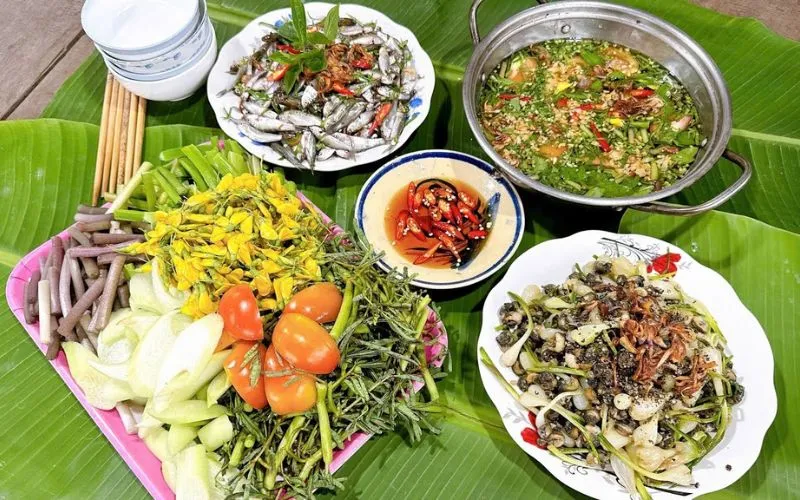
Sesbania Flower Hotpot (Lẩu bông điên điển)
Sesbania flower hotpot is a standout specialty among the 272 dishes prepared from 43 types of edible flowers certified by WorldKings. The dish pairs sesbania flowers—the iconic bloom of the Mekong Delta’s floating season—with Siamese mud carp, freshwater fish, or shrimp to create a gentle, naturally sweet, and rustic taste. Incorporating edible blooms into everyday gastronomy demonstrates clever resourcefulness with natural flora and represents a captivating highlight of Vietnamese culinary tradition.
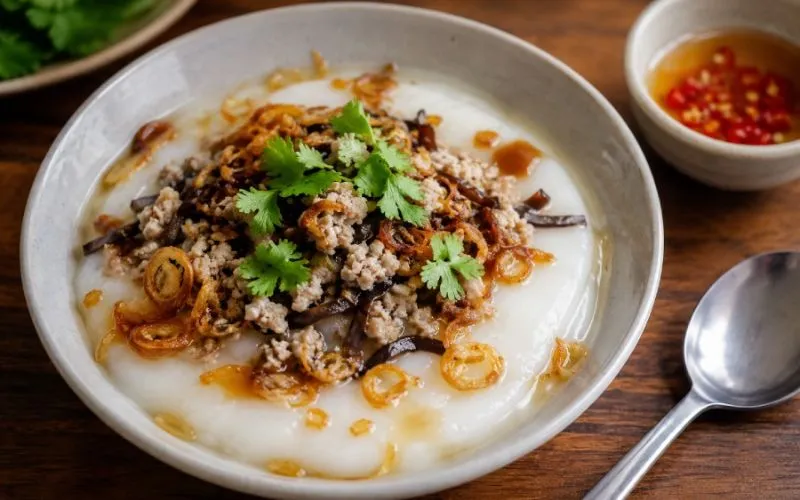
Bánh cuốn (Steamed Rice Rolls)
Bánh cuốn is an iconic dish in the category of 143 rice flour specialties documented by WorldKings. Paper-thin sheets of batter made from rice flour are hand-steamed over fabric, rolled around a savory filling of minced pork and wood ear mushrooms, and served with a delicately balanced dipping sauce, embodying the precision and grace of Vietnamese culinary art.
Bánh cuốn is a traditional dish crafted from rice flour
Conclusion
The 5 world records of Vietnamese cuisine are not only a point of national pride but also compelling proof of the depth, creativity, and unique spirit of Vietnam’s gastronomy. If you are passionate about exploring authentic food and cultural traditions, don’t forget to follow Madame Lam for more stories, exceptional dishes, and the finest culinary values Vietnam has to offer.
Madame Lam Restaurant
- Address: No. 10 Tran Ngoc Dien, Thu Duc City, Ho Chi Minh City
- Hotline: 070 322 6262
- Email: booking.mdl@mamamia.vn
- Website: https://madamelam.com/
- Fanpage: https://www.facebook.com/MadameLamRestaurant/
- TikTok: https://www.tiktok.com/@madamelamvn
- Tripadvisor: https://www.tripadvisor.com/Restaurant_Review-g293925-d24053236-Reviews-Madame_Lam_Vietnamese_Contemporary_Cuisine-Ho_Chi_Minh_City.html
- YouTube: https://www.youtube.com/@madamelamvn
- X: https://x.com/madamelamvn
- Tumblr: https://www.tumblr.com/madamelamvn
- Reddit: https://www.reddit.com/user/madamelamvn/
- Twitch: https://www.reddit.com/user/madamelamvn/
- LinkedIn: https://www.linkedin.com/in/madamelamvn/
- Pinterest: https://www.pinterest.com/madamelamvn/
- Flipboard: https://flipboard.com/@madamelamvn
- Scoop.it: https://www.scoop.it/u/madamelamvn
- Instapaper: https://www.instapaper.com/p/madamelamvn
- Vimeo: https://vimeo.com/madamelamvn
- Dribbble: https://dribbble.com/madamelamvn