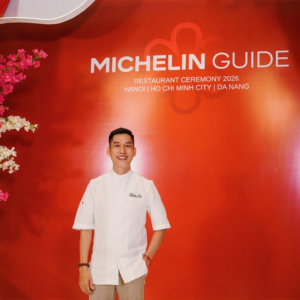


Chicken pho (Phở gà) is a beloved dish featuring a light, delicate broth infused with the signature aroma of traditional spices. The secret to making delicious chicken pho lies in selecting quality chicken, proper preparation, poaching techniques, and especially simmering the broth with the right method. If you want a clear, naturally sweet broth paired with tender, aromatic, and juicy chicken, join Madame Lam in exploring these simple yet effective tips below.
What makes a bowl of chicken pho great?
A delicious bowl of chicken pho is a harmonious balance of various elements—from the quality of ingredients, preparation, chicken poaching, and broth simmering techniques, to proper seasoning and final assembly. Fresh chicken yields naturally sweet and tender meat, while the bones and aromatic spices develop the broth’s depth. Heat control, cooking time, and seasoning directly determine the clarity, sweetness, and fragrant aroma of the soup. Depending on traditional preferences or modern family tastes, adjusting the seasonings will help your bowl of pho achieve the ideal harmony.
How to choose ingredients for delicious chicken pho
Ingredients largely determine the flavor of pho, from the broth’s sweetness to the tenderness and aroma of the meat. Choosing fresh and appropriate ingredients right from the start is one of the key secrets to elevating the overall dish.
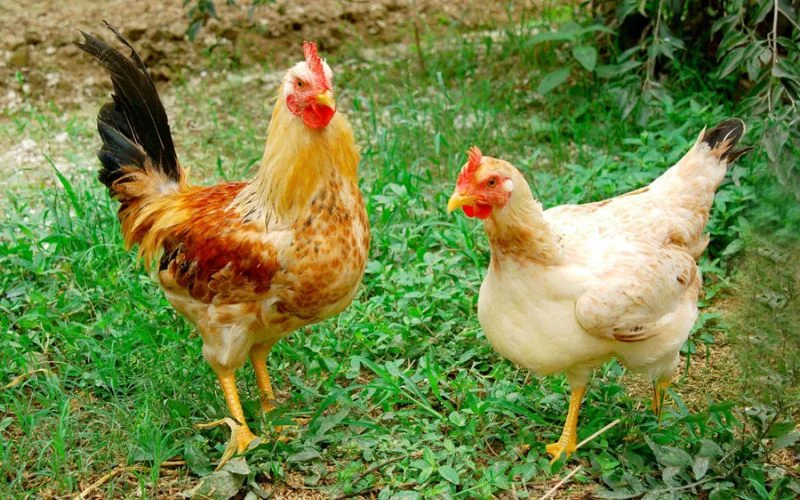
- Free-range chicken or young hen (1 whole chicken, approx. 1.4 – 1.8 kg): Prioritize chicken with naturally light yellow, thin skin, firm flesh, a full breast, and no unpleasant odor. Free-range chicken retains a natural springiness and sweetness when cooked, avoiding the mushy texture of broiler chickens.
- Supplementary soup bones (Optional – 500g pork marrow or flat bones): In traditional chicken pho recipes, the original broth is simmered solely from chicken and chicken bones to preserve its signature clean, delicate flavor. However, if your family prefers a richer, deeper, and fattier broth following a modern twist, you can add clean, blanched pork bones.
- Ginger: Choose medium or small native ginger roots with rough skin, firm texture, and a pungent, spicy fragrance. Large, watery ginger tends to be milder and less aromatic.
- Shallots and yellow onions: Shallots should have dry outer skins, firm bulbs, and no sprouts. Choose whole, firm onions with dry skin and no signs of bruising or softness.
- Aromatic spice blend: Traditional chicken pho typically only requires a small amount of coriander seeds (1 teaspoon), 1 small black cardamom pod, or a hint of star anise/cinnamon depending on regional preferences. Avoid using too much, as overpowering spices can easily mask the chicken’s natural aroma.
- Pho noodles: Choose fresh rice pho noodles with a natural white color, soft yet pleasantly chewy texture, without any sour smell or clumping.
- Fresh herbs and lime leaves: Scallions, cilantro, and kaffir lime leaves should be fresh, green, and free of wilt or blemishes. Fragrant, finely sliced lime leaves bring an irresistible aroma to a bowl of chicken pho.
Step-by-step guide to making fragrant, sweet chicken pho at home
To master homemade chicken pho, divide the cooking process into clear steps: preparing the chicken, toasting spices, simmering the broth, and assembling the bowl.
Preparing and cleaning the chicken
Gently rub coarse salt over the entire chicken and inside the cavity, then rinse thoroughly with water. You can also rub it with crushed ginger slices or a splash of white wine to eliminate any gamey poultry odors. Trim off the excess belly fat and render it separately in a pan to obtain fragrant, golden chicken fat (used to brush over the chicken skin after poaching). If adding chicken feet, wings, giblets, or pork bones to the simmer, blanch them briefly in boiling water and rinse clean before simmering.
Charring shallots, ginger, and toasting spices
Leave the skins on the shallots, onion, and ginger, then char them over an open flame or in an air fryer until lightly blistered and fragrant. Scrape off blackened skins, rinse lightly, and crush gently. Toast coriander seeds (1 tsp), black cardamom (1 pod, crushed), and star anise/cinnamon (if using) in a dry pan over low heat for 2–3 minutes until fragrant. Place all toasted spices into a spice bag and tie tightly to keep the broth clear and make removal effortless later.
Poaching the chicken and carving the meat
Place the chicken in a stockpot, pour in about 3.5 – 4 liters of cold water (ensuring the chicken is submerged), along with the charred shallots, ginger, and 1 teaspoon of salt. Bring to a gentle boil over medium heat, then lower to a bare simmer, leave the lid slightly ajar, and poach for 20 – 25 minutes. Turn off the heat, cover tightly, and let the chicken steep in the hot broth for an additional 10 – 15 minutes to cook through gently without turning the bones red or tearing the skin.
To keep the skin taut, crisp, and vibrant in color, immediately plunge the chicken into a bowl of ice water for 3 – 5 minutes after removing it from the pot, then drain well (a simple tip for crisper skin). Brush a thin layer of the rendered chicken fat over the skin for a glossy finish. Debone the breast and thigh meat to slice or shred, and return the carcass/bones back to the stockpot to continue simmering the broth.
Simmering the bones and cooking the broth
Return the chicken carcass (and pork bones, if using) to the chicken poaching broth. Add the spice bag and the charred onion, maintaining low heat so the broth simmers gently for 45 – 60 minutes. During simmering, skim off any foam or scum floating on the surface to keep the broth clear and clean. After simmering for about 30 minutes—once the broth is sufficiently fragrant—remove the spice bag to prevent the spices from overpowering the broth or darkening its color.
Seasoning and straining the pho broth
Season the broth with about 1.5 – 2 tablespoons of premium traditional fish sauce, coarse salt, and bouillon powder/MSG to taste. For traditional Northern-style pho, the clean, delicate sweetness comes entirely from thoroughly simmered bones and chicken. If your family prefers the mild, rounded sweetness characteristic of Southern Vietnamese cuisine, add a small piece of rock sugar (about 10 – 15g). Strain the broth gently through a fine-mesh sieve to remove loose debris, leaving a crystal-clear, delicately flavored broth.
Blanching noodles and assembling the bowl
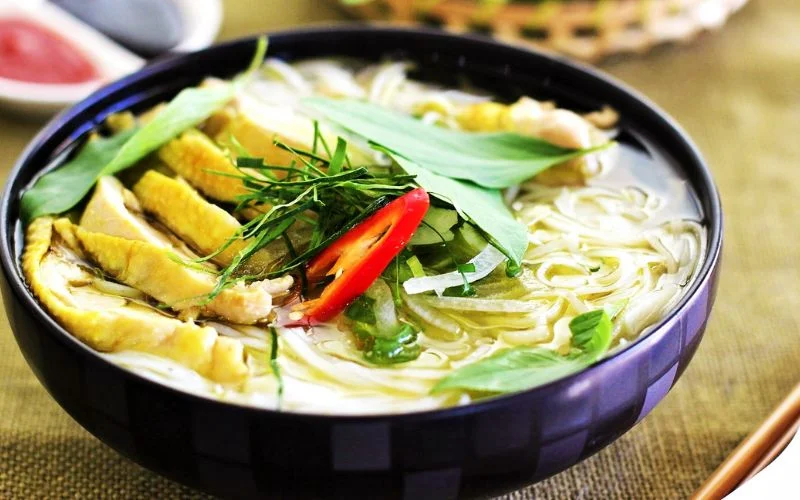
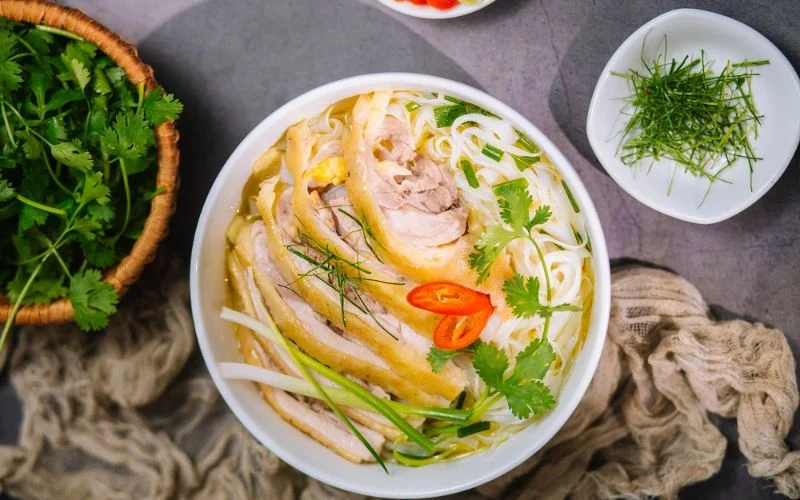
Blanch fresh pho noodles in boiling water for 15 – 20 seconds, shake off excess water thoroughly, and divide among bowls. Arrange sliced or shredded chicken on top, garnish with scallions, cilantro, scallion whites, and a touch of thinly sliced kaffir lime leaves to taste. Ladle piping hot broth into the bowl to submerge noodles and meat. Serve alongside lime wedges, chili peppers, or Chinese crullers (quẩy) to elevate the dining experience.
5 common mistakes when cooking chicken pho at home
A great chicken pho broth must remain clear, naturally sweet, and mildly fragrant. While cooking, seemingly small missteps can compromise the final quality. When applying these broth-making secrets, watch out for the following errors:
Boiling the broth too vigorously
A rolling boil churns up fine bone and meat sediments, turning the broth cloudy and murky. Excessive heat also leads to rapid evaporation, making the broth overly concentrated and harsh. Once boiled, immediately lower the heat to maintain a steady, gentle simmer.
Failing to skim the scum early on
During the initial stages of cooking, coagulated proteins and impurities from the chicken and bones float to the surface as foam. Left unattended, this scum can disperse back into the liquid and ruin the broth’s clarity. Skim the surface gently with a ladle until the broth clears up.
Overusing aromatic spices
Cinnamon, star anise, black cardamom, and coriander seeds have distinct, pungent profiles, particularly when simmered for a long time. Using too much will easily overpower the natural chicken essence and diminish the broth’s signature delicacy. Use spices in moderation and discard the spice sachet once the desired fragrance is reached.
Constantly stirring the broth
Stirring repeatedly during simmering stirs up sediment from the bottom of the pot, compromising clarity. It can also break apart ingredients, creating fine particles that are difficult to strain out. Instead of stirring, keep the flame low and gently skim foam off the surface.
Improper noodle blanching
Pho noodles should be blanched quickly in boiling water so they are soft yet retain a pleasant chewiness. Shake and drain off all residual water before placing them in the bowl to avoid diluting the hot broth. Soggy or waterlogged noodles will ruin the texture and dilute the rich seasoning of your pho.
Conclusion
A delicious bowl of chicken pho does not require overly complicated recipes; rather, it comes down to mindful attention at every stage—from choosing chicken and prepping ingredients to simmering broth and seasoning. We hope these culinary tips help you easily craft a fragrant pot of pho featuring a crystal-clear, naturally sweet broth and perfectly tender chicken. With just a few small techniques, you can comfortably treat your family to an authentic, flavorful bowl right at home.
Madame Lam Restaurant
- Address: 10 Tran Ngoc Dien, Thu Duc, Ho Chi Minh City
- Hotline: 070 322 6262
- Email: booking.mdl@mamamia.vn
- Website: https://madamelam.com/
- Fanpage: https://www.facebook.com/MadameLamRestaurant/
- TikTok: https://www.tiktok.com/@madamelamvn
- Tripadvisor: https://www.tripadvisor.com/Restaurant_Review-g293925-d24053236-Reviews-Madame_Lam_Vietnamese_Contemporary_Cuisine-Ho_Chi_Minh_City.html
- YouTube: https://www.youtube.com/@madamelamvn
- X: https://x.com/madamelamvn
- Tumblr: https://www.tumblr.com/madamelamvn
- Reddit: https://www.reddit.com/user/madamelamvn/
- Twitch: https://www.reddit.com/user/madamelamvn/
- LinkedIn: https://www.linkedin.com/in/madamelamvn/
- Pinterest: https://www.pinterest.com/madamelamvn/
- Flipboard: https://flipboard.com/@madamelamvn
- Scoop.it: https://www.scoop.it/u/madamelamvn
- Instapaper: https://www.instapaper.com/p/madamelamvn
- Vimeo: https://vimeo.com/madamelamvn
- Dribbble: https://dribbble.com/madamelamvn