

Some guests may only drop by for a fleeting visit, yet the host’s hospitality is more than enough to leave an indelible impression. From greetings, a cup of tea, and home-cooked meals to thoughtful conversation and courteous send-offs, every gesture encapsulates cultural values preserved across generations. The following article invites you to discover the beauty of Vietnamese hospitality culture, explore regional customs, and understand these distinctive social etiquettes in daily life.
What Is Vietnamese Hospitality Culture?
Vietnamese hospitality culture is an ensemble of etiquette, words, and actions that demonstrate genuine respect and sincerity toward visitors. From proactively greeting guests, offering tea and refreshments, and preparing meals to engaging in conversation and seeing them off, every act reflects the host’s attentiveness. According to ethnological and cultural scholars (notably Prof. Tran Ngoc Them in Searching for the Identity of Vietnamese Culture), a sedentary agricultural lifestyle fostered a deep appreciation for community bonds and neighborhood solidarity. Consequently, hosting guests extends beyond mere routine socializing; it serves as a means of reinforcing social networks and affirming family hierarchy and order.
The Significance of Hospitality Culture in Vietnamese Life
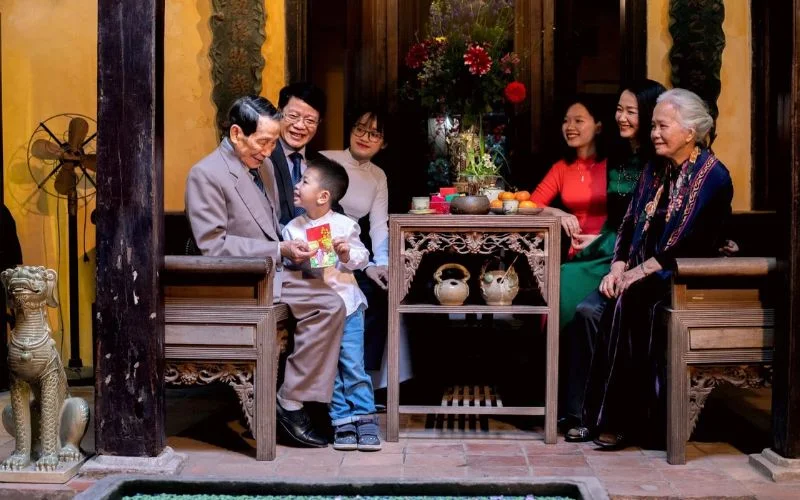
For generations, hospitality has been deeply woven into the fabric of Vietnamese family life and communal conduct. Far beyond simple social etiquette, welcoming guests into one’s home carries several practical and profound meanings:
- Creating a warm and welcoming ambiance: Evidenced by concrete actions the moment a guest arrives at the door, such as tidying up the space, having drinks and snacks ready, and pulling out a chair to invite them to sit.
- Fostering emotional bonds: Gatherings over tea or shared meals offer a space for people to catch up on news, share life experiences, and strengthen ties with relatives and neighbors.
- Demonstrating respect: Reflected in mindful use of hierarchical terms of address, neat and presentable attire when hosting, and attentive listening with minimal distractions throughout the conversation.
- Preserving family traditions: As scholar Dao Duy Anh analyzed in An Outline History of Vietnamese Culture, family discipline and hierarchy among the Vietnamese are clearly manifested through their manner of hosting guests. Children knowing how to greet elders politely, assisting in serving tea, and helping set the table are direct reflections of family upbringing.
- Valuing attitude over material extravagance: Hosts prioritize sincerity and attentiveness over showing off lavish feasts; a modest pot of traditional tea or a simple home-cooked meal infused with genuine care still brings a deeply heartwarming feeling to any visitor.
Popular Expressions of Vietnamese Hospitality Culture
When hosting, Vietnamese people pay great attention to detail from the moment a guest steps through the doorway until their departure. These cultural graces shine through cordial greetings, thoughtful preparation, serving tea and food, conversing, tending to guest needs, and courteous farewells.
Warm and Friendly Welcomes
When guests arrive, hosts greet them warmly with a smile, invite them inside, and exchange pleasantries. A natural, friendly demeanor makes visitors feel instantly welcomed rather than distant. For long-time friends or relatives, this warmth is often expressed through affectionate inquiries regarding their work, family, and wellbeing.
Thoughtful Preparation Prior to Arrival
When visits are known in advance, many families take the time to clean their house, arrange seating, and prepare refreshments. An esteemed guest might be treated to a well-prepared meal, while close friends may simply enjoy a fresh pot of tea accompanied by a plate of fruit. What matters most is not the abundance of the spread, but the care and thoughtfulness of the host.
Serving Tea, Water, and Delicacies
In traditional Vietnamese customs, offering betel quid and tea has always been tied to timeless proverbs: “A quid of betel begins the conversation” and “Guests arriving at home are greeted with tea and cakes.” A steaming cup of hot tea or a refreshing glass of water serves as a natural conversation starter. If a guest arrives near mealtime or has traveled from afar, hosts warmly invite them to stay for an intimate family meal. During dining, guided by the traditional adage “Watch the pot while eating, watch the direction while sitting,” hosts delicately offer the finest choice cuts to esteemed guests and elders to express utmost care and deference.
Open Conversations and an Intimate Atmosphere
Hosting is not merely about food and drink; it is also about sharing quality time together. Hosts actively initiate conversation, check in on their guests, and share lighthearted stories to make everyone comfortable. With newer acquaintances, selecting well-measured topics and steering clear of overly personal matters reflects subtle refinement and tact.
Attentiveness to Guests’ Needs and Comfort
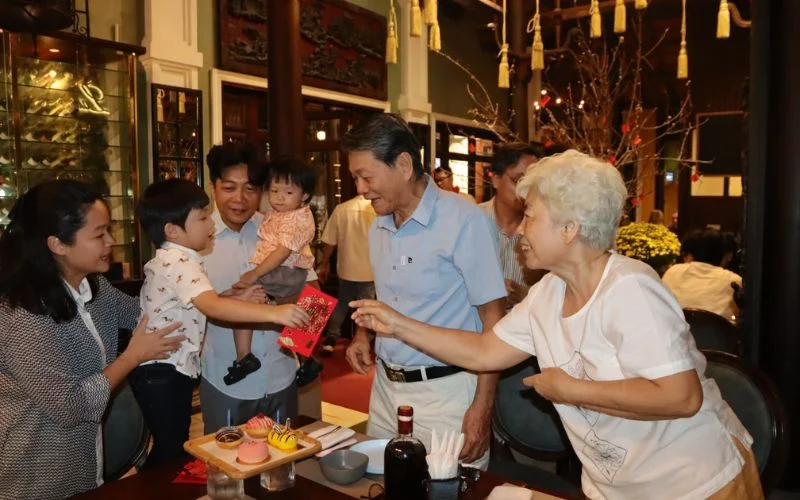
Consideration often lies in the smallest details, such as refilling water glasses, offering favorite dishes, or inquiring if the guest needs to rest. In particular, for the elderly, young children, or long-distance travelers, hosts pay closer attention to their comfort. These understated, sincere acts define the heart of Vietnamese hospitality.
Polite and Respectful Send-Offs
As guests prepare to take their leave, hosts graciously say goodbye, express gratitude, and walk them out to the door or gate. A gentle reminder to stay in touch or wishing them a safe journey may seem simple, yet it conveys genuine appreciation. It also serves as a gracious conclusion to a meaningful visit, leaving both host and guest with lasting warmth.
Regional Nuances in Vietnamese Hospitality
Depending on local lifestyle and conditions, hospitality traditions vary across regions, clearly evidenced in the drinks used to begin conversations, the dining tables prepared for guests, and everyday communication styles.
Northern Vietnamese Hospitality Customs
In many Northern households, hosting places greater emphasis on decorum, seniority, and propriety according to age and relationship. When guests arrive, hosts may prepare tea, pastries, or a home-cooked meal depending on the timing and occasion. In conversation, forms of address and polite invitations are chosen mindfully, especially when receiving elders. If guests stay for dining, the host may prepare traditional dishes to demonstrate care and encourage convivial conversation.
Central Vietnamese Hospitality Culture
In Central Vietnam, hosting customs vary among households and localities. Many families welcome visitors with tea, local confections, or familiar snacks to initiate conversation. For visiting relatives or travelers coming from afar, hosts often prepare a heartfelt family meal featuring regional specialties. These gestures showcase genuine warmth and affection, even if specific practices differ across localities.
Southern Vietnamese Distinctive Hospitality
In the South, hospitality reflects flexibility based on the family, community, and personal connection with the guest. Hosts often favor a relaxed, spontaneous approach that makes everyone feel immediately at home. Visitors are frequently offered fresh seasonal fruits, cold drinks, or invited to share a meal with the family depending on the circumstance. Wholesome rustic dishes, fresh fruits, and local delicacies are chosen with hearty affection, demonstrating the open-hearted generosity of the host.
Modern Etiquette Tips When Hosting Guests
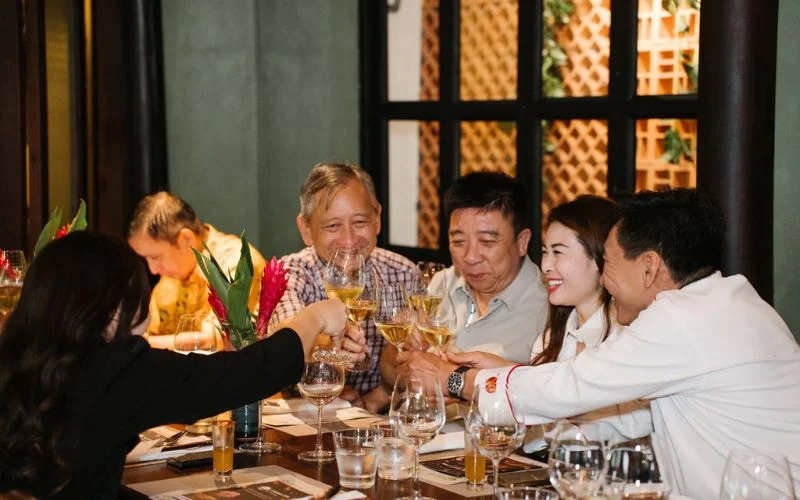
Hosting may seem straightforward, yet a host’s conduct directly impacts the visitor’s experience. Alongside warmth and enthusiasm, contemporary Vietnamese hospitality places high value on discretion, propriety, and respect across all scenarios:
- Proactively greet and receive guests: Give arriving guests your full attention and a friendly greeting rather than leaving them to find a seat or wait unattended.
- Maintain an open, polite demeanor: Throughout the visit, converse naturally, listen attentively, and avoid looking indifferent or distracted.
- Respect personal privacy: Exercise discretion regarding sensitive questions about income, marital status, age, or personal affairs to avoid putting guests in awkward situations.
- Avoid pressuring guests to eat or drink: Generous hospitality should remain considerate, respecting each person’s preferences, pace, and dietary needs.
- Mind your forms of address: Choosing proper honorifics and terms of address appropriate to age, relationship, and context keeps conversation natural while expressing due respect.
- Send guests off with courtesy: When guests leave, a polite farewell, an expression of gratitude, or looking forward to the next meeting brings the gathering to a courteous and cordial close.
Conclusion
Vietnamese hospitality culture is manifested in tangible, heartfelt gestures: from a warm nod of welcome and a steaming cup of tea offered with both hands, to serving the finest dish at a family meal and walking guests all the way to the gate upon departure. While customs may differ across regions, upholding family traditions, treating others with thoughtful care, and preserving mutual respect remain core cultural values handed down through generations.
Madame Lam Restaurant
- Address: No. 10 Tran Ngoc Dien, Thu Duc City, Ho Chi Minh City
- Hotline: 070 322 6262
- Email: booking.mdl@mamamia.vn
- Website: https://madamelam.com/
- Fanpage: https://www.facebook.com/MadameLamRestaurant/
- TikTok: https://www.tiktok.com/@madamelamvn
- Tripadvisor: https://www.tripadvisor.com/Restaurant_Review-g293925-d24053236-Reviews-Madame_Lam_Vietnamese_Contemporary_Cuisine-Ho_Chi_Minh_City.html
- YouTube: https://www.youtube.com/@madamelamvn
- X: https://x.com/madamelamvn
- Tumblr: https://www.tumblr.com/madamelamvn
- Reddit: https://www.reddit.com/user/madamelamvn/
- Twitch: https://www.reddit.com/user/madamelamvn/
- LinkedIn: https://www.linkedin.com/in/madamelamvn/
- Pinterest: https://www.pinterest.com/madamelamvn/
- Flipboard: https://flipboard.com/@madamelamvn
- Scoop.it: https://www.scoop.it/u/madamelamvn
- Instapaper: https://www.instapaper.com/p/madamelamvn
- Vimeo: https://vimeo.com/madamelamvn
- Dribbble: https://dribbble.com/madamelamvn